Tesla Tunes FSD to Learn Each Driver's Style

Tesla AI chief Ashok Elluswamy says Full Self-Driving is moving past manual speed caps toward software that learns each driver's implied preferences.

3 min read
Tesla Tunes FSD to Learn Each Driver's Style

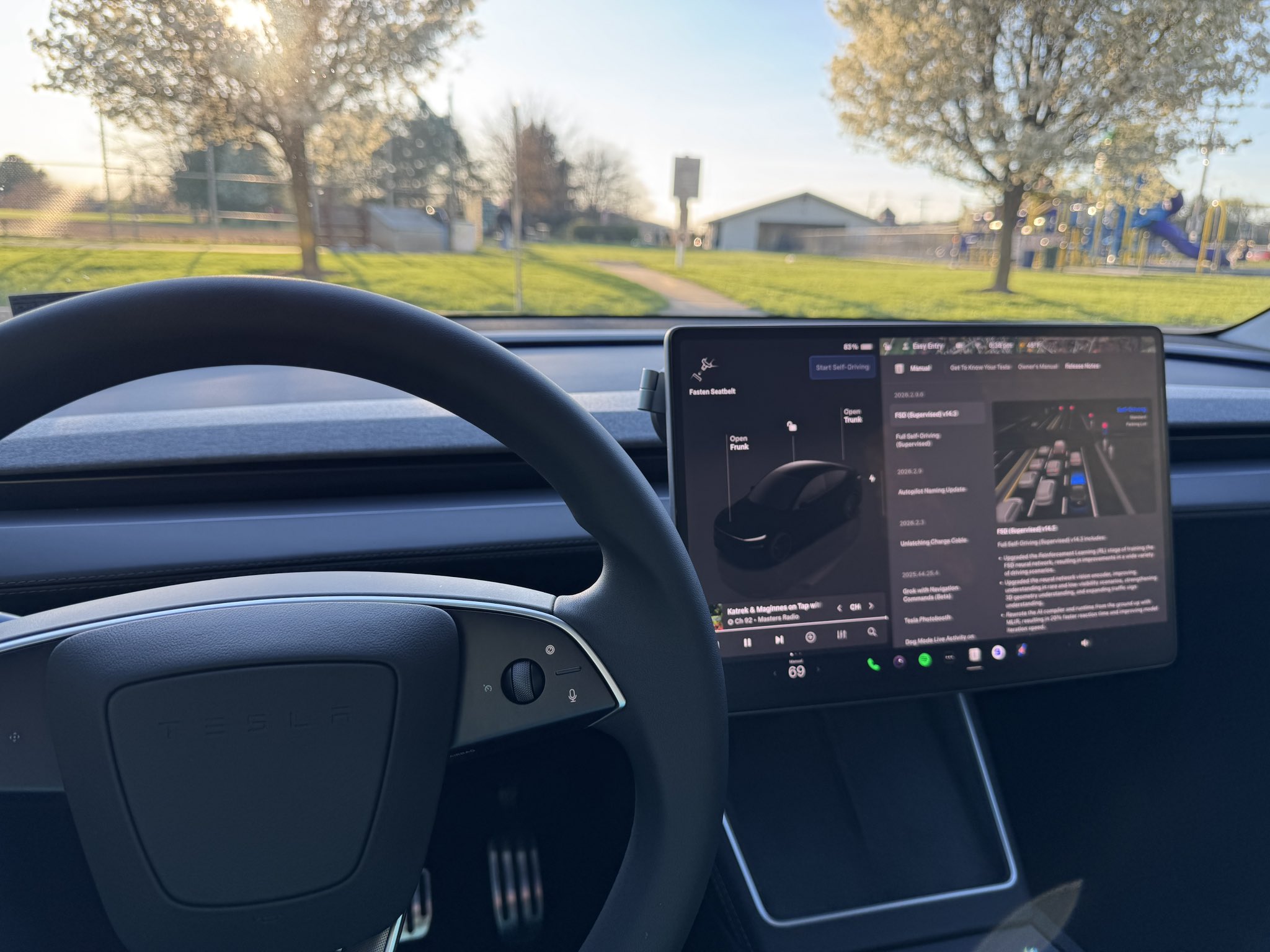
AUSTIN, Texas — Tesla is steering Full Self-Driving away from manual dials and toward software that learns how each person likes to travel. In comments on X on Aug. 3, Tesla AI chief Ashok Elluswamy said the company has no plans to bring back a fixed maximum-speed setting, calling it "an anti pattern," and instead pointed to a system that reads a driver's implied preferences and adapts on its own.

"We are working on better learning of user's implied preferences," Elluswamy wrote, echoing a direction CEO Elon Musk has increasingly emphasized: an FSD that behaves less like a rigid rules engine and more like an attentive human driver who already knows your habits.

From Sliders to Speed Profiles

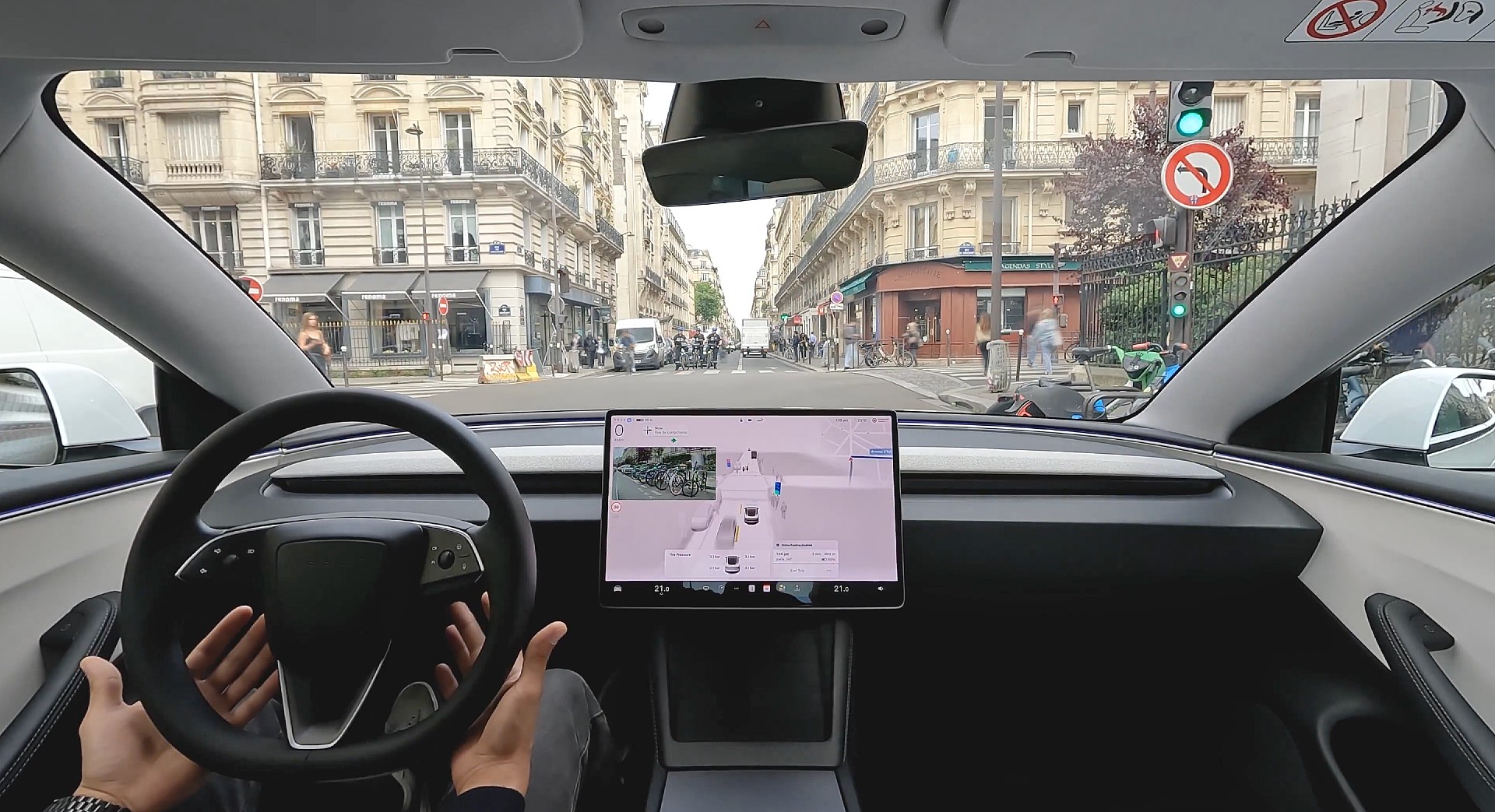
When FSD v14 arrived last year, Tesla replaced the old max-speed slider with five Speed Profiles that run from the gentle "Sloth" setting to the assertive "Mad Max." Those profiles govern not just velocity but how often the car changes lanes, completes passes and threads through traffic. It was a deliberate move from a single number to a driving personality, nudging FSD closer to the way people actually drive. Tesla's recent FSD v14.3.7 update continued that refinement with faster Smart Summon and smoother low-speed maneuvers.

The shift has not been friction-free. Some owners miss the granular control the slider offered, and a profile can feel different from one software build to the next. Tesla's answer is not to restore the slider but to make the car smarter about what a given driver would choose — a harder engineering problem, but one that scales toward genuine autonomy rather than away from it.
Tesla Tunes FSD to Learn Each Driver's Style — additional image

Why Learned Preferences Matter

The strategy fits Tesla's larger bet that FSD should minimize interventions by anticipating intent instead of demanding constant manual tweaks. If the system can infer that one owner prefers to keep pace with traffic while another likes a wider cushion, it can serve both without a settings menu. That is the same neural-network-first philosophy behind Musk's camera-only approach to autonomy, which treats driving as a learned skill rather than a hand-coded rulebook.

Elluswamy's remarks, reported by Teslarati, also underscore how fast Tesla is iterating. Each release tunes the Speed Profiles, and the company is feeding that real-world data back into models that increasingly tailor the ride to the individual behind the wheel.

The Road Ahead

Personalization is the connective tissue between today's supervised FSD and tomorrow's unsupervised robotaxi fleet. A system that already understands how its owner likes to move can transition to fully driverless operation with fewer surprises, which is why Tesla is willing to absorb some short-term grumbling to protect the long-term architecture. As the fleet keeps logging miles and the models keep learning, expect FSD to feel less like software you configure and more like a driver who knows you — a subtle philosophical shift with outsized implications for the autonomous future Tesla is racing to deliver.