Tesla Open-Sources FSD Safety Data Ahead of EU-Wide Approval Vote

Tesla published the safety dashboard behind its European Full Self-Driving approval and touted new figures showing FSD is several times safer than manual driving, ahead of a possible EU-wide vote on October 6.

3 min read
Tesla Open-Sources FSD Safety Data Ahead of EU-Wide Approval Vote

AUSTIN, Texas — Tesla is making its case for European Full Self-Driving approval in the open, publishing the safety evidence it submitted to regulators and pointing to fresh data that it says shows the system dramatically outperforming human drivers.

The company posted the material this week, saying it had decided to open-source a key dashboard used to support its approval in the Netherlands ahead of a potential European Union-wide vote on October 6. Tesla said the same evidence was shared with every EU member state in April, shortly after Dutch regulators cleared the system, and framed the release as a bid for transparency as the rollout expands across Europe.

The Numbers Tesla Is Highlighting

In its post, Tesla paired the dashboard with a headline claim: that FSD is 4.1 times less likely to be involved in a crash than manual driving across more than 100 million kilometers on EU roads. That builds on an earlier company disclosure covering the period from April to late July, which reported zero collisions across 41.9 million highway kilometers and a strong record on other roads.

The dashboard itself supports Tesla's request for a handful of exemptions under UN Regulation 171, the standard governing driver-assistance systems, so that FSD can perform system-initiated maneuvers and match the flow of surrounding traffic. Those are the capabilities European customers already value in markets where the system is live.

Tesla Open-Sources FSD Safety Data Ahead of EU-Wide Approval Vote — additional image

Built From Real-World Miles

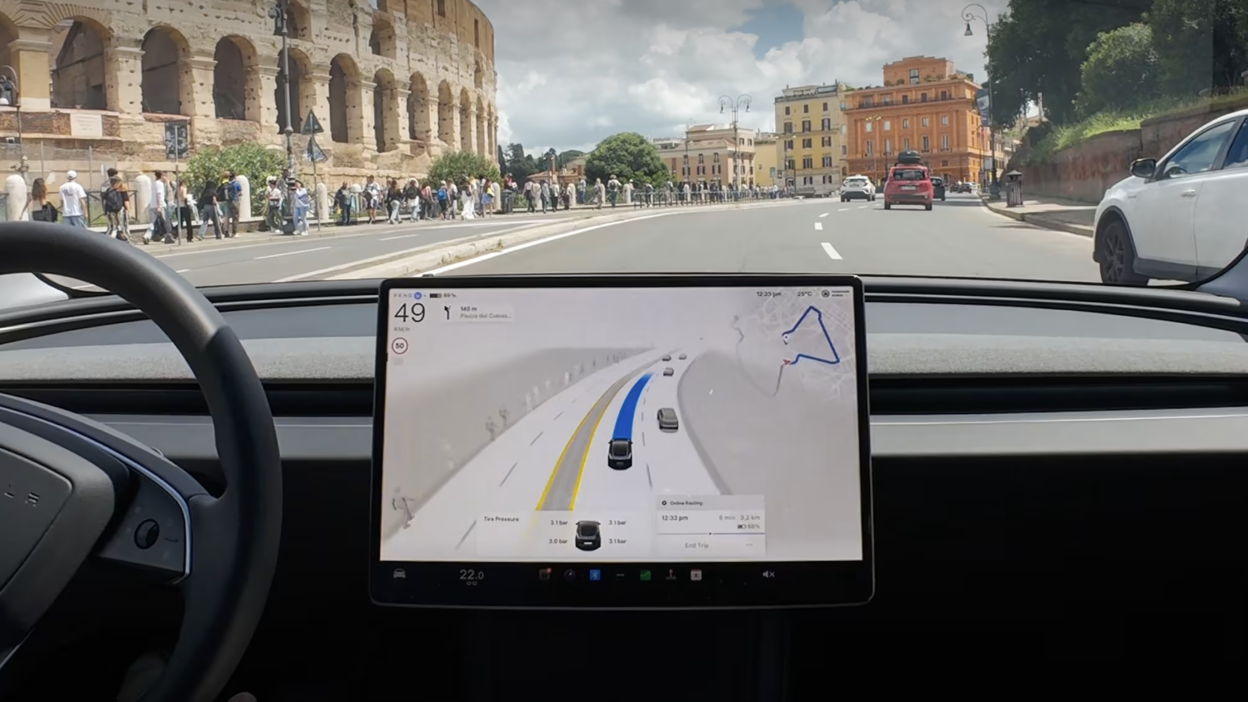
Tesla's European safety argument rests on the same data flywheel powering its global program, where the fleet is now adding roughly a billion supervised miles every few weeks. The company says its European FSD data comes from trained operators instructed to use the system with as little intervention as possible, which it argues gives a truer picture of how the software actually performs on the road.

The Path to a Vote

Approval would spread bloc-wide if the EU's Technical Committee on Motor Vehicles extends the Dutch certificate on a qualified majority. Five countries have already recognized the Dutch approval, and Tesla is pressing for the larger economies to follow. The Netherlands granted its approval on April 10, and Tesla has been steadily building the evidence file since, as detailed in its published safety dashboard.

Why It Matters

Europe is one of the last major markets where FSD remains largely on the sidelines, and a bloc-wide green light would open tens of millions of vehicles to supervised self-driving. By putting its data on the table for public scrutiny, Tesla is betting that the strongest argument for approval is the safety record itself. With the October 6 meeting on the calendar, the company has positioned its transparency push as the closing argument in a multi-year campaign to bring FSD to European roads at scale.