Tesla Pushes FSD v14.2 Lite to Wide Release for HW3 Cars

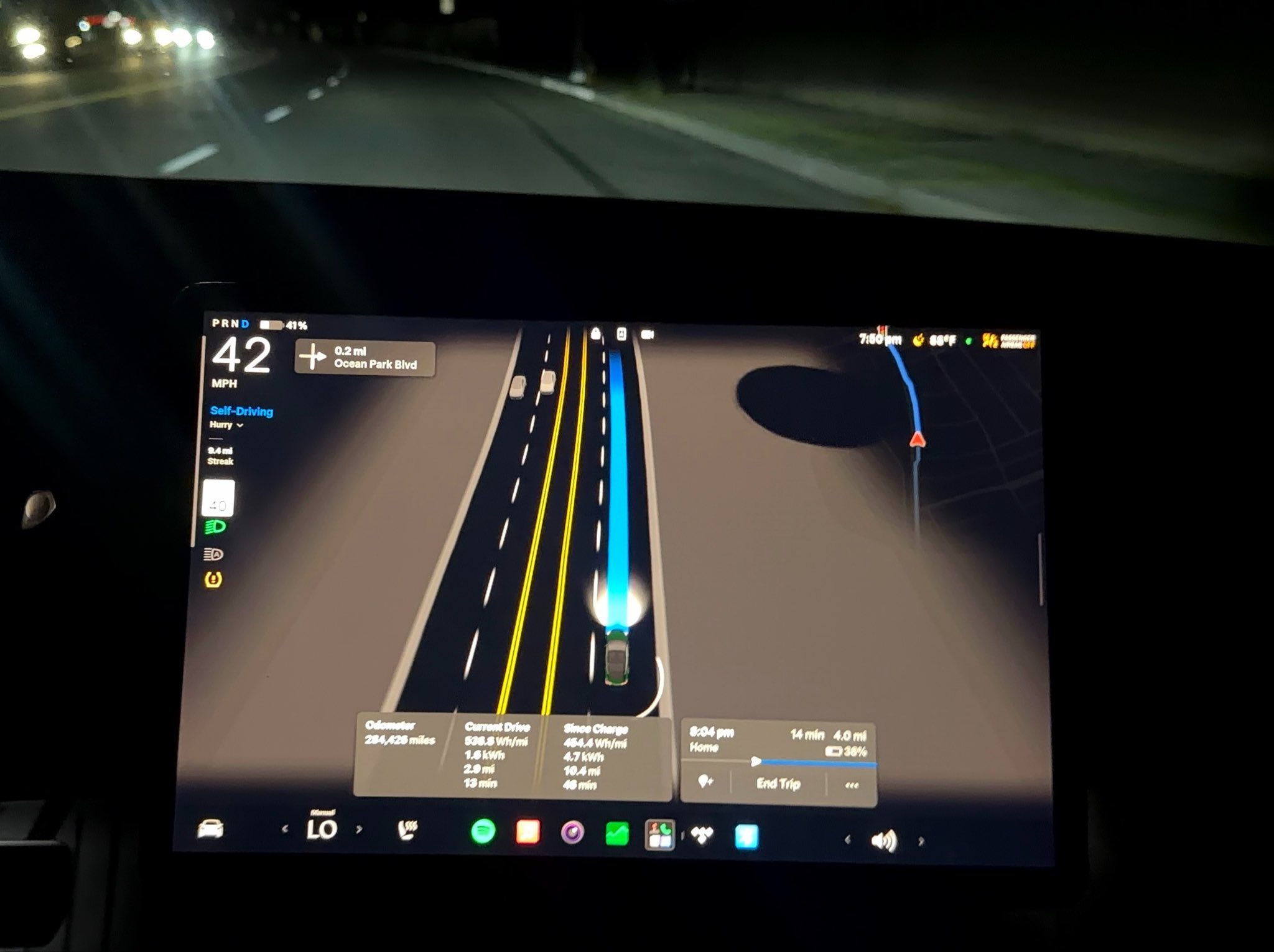
Tesla moved FSD v14.2 Lite to a wide release on Hardware 3 vehicles, bringing the latest generation of Full Self-Driving Supervised to millions of legacy owners.

3 min read
Tesla Pushes FSD v14.2 Lite to Wide Release for HW3 Cars

AUSTIN, Texas — Tesla pushed Full Self-Driving (Supervised) v14.2 Lite to a wide release on September 15, 2026, sending the update out to Hardware 3 vehicles after a short round of initial testing and data analysis. The rollout, packaged in software version 2026.27.6, brings the newest FSD generation to the large installed base of older Teslas whose owners had been waiting to move off the v13 branch.

It is a meaningful moment for the millions of Model 3, Model Y, and legacy Model S and X cars built on Hardware 3, a group Tesla has repeatedly promised not to leave behind as its self-driving stack advances.

Lite, But Built on v14

FSD v14 Lite is Tesla's adaptation of its latest architecture for the compute budget of Hardware 3, delivering the behavior and planning improvements of the new generation while fitting the older AI3 platform. Tesla began seeding v14 Lite to HW3 owners earlier in the summer and has now judged v14.2 Lite stable enough for a broad push, a sequence the company typically follows only once the fleet data looks clean. Owners posting early reviews described smoother lane changes, more natural speed control, and better handling of complex intersections than the v13 releases they replaced.

The wide release also arrives on the heels of Tesla's safety-focused work on the flagship branch, including the collision-avoidance improvements previewed for FSD v15. Together they show Tesla advancing both ends of its lineup at once, pushing new capability to premium AI4 cars while extending the latest supervised stack down to the oldest hardware still on the road.
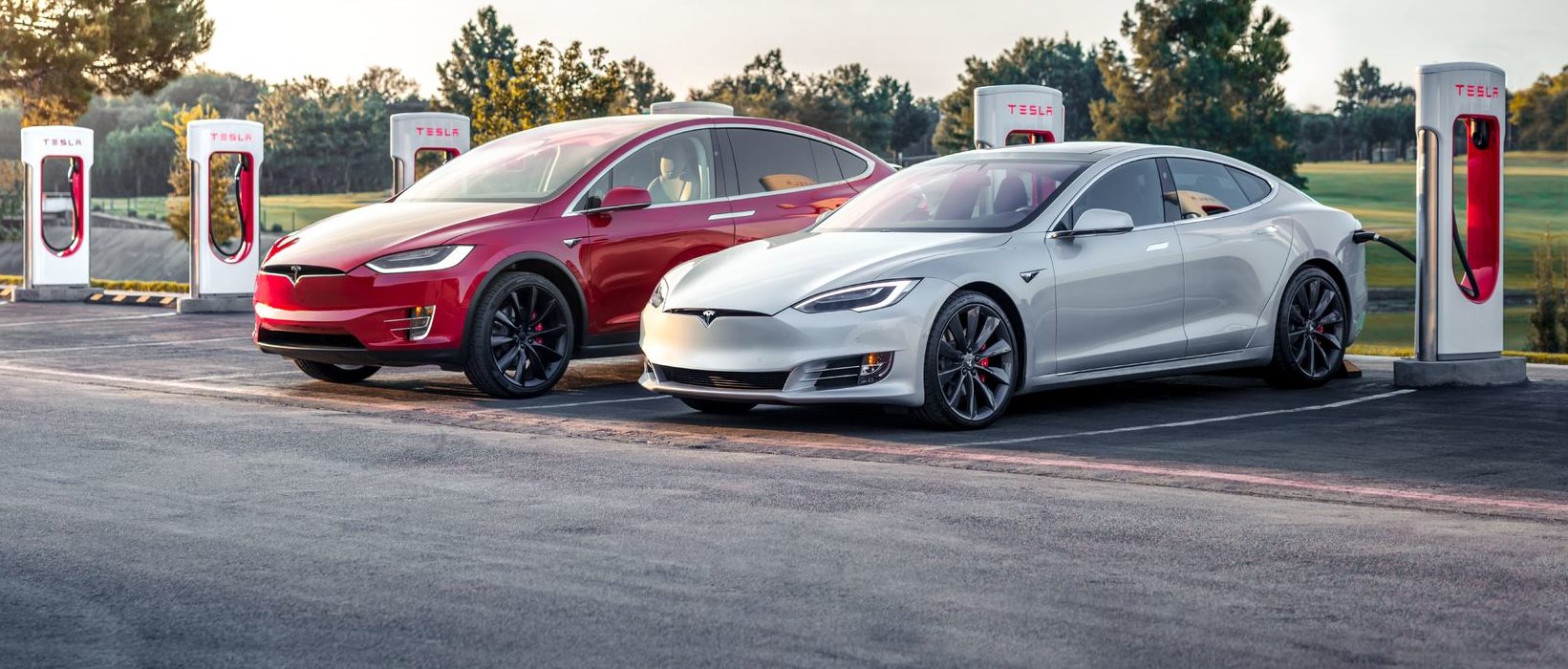
Tesla Pushes FSD v14.2 Lite to Wide Release for HW3 Cars — additional image

Why Hardware 3 Matters

Hardware 3 shipped in millions of vehicles beginning in 2019, and keeping those cars current is central to Tesla's promise that FSD is a software product that improves over time. Every HW3 car running v14 Lite adds more real-world miles to the fleet learning loop that trains future models, a flywheel Tesla has leaned on as it crossed billions of cumulative FSD miles. The larger the active FSD population, the faster the data compounds.

For owners, the practical payoff is immediate: a car bought years ago behaves more like Tesla's newest vehicles after an over-the-air update, with no trip to a service center. That upgrade path has become one of the strongest arguments for the FSD subscription, and widening v14 Lite reinforces it.

The Road Ahead

Tesla is expected to continue iterating the Lite branch in parallel with the full v14 and upcoming v15 releases on AI4 hardware, narrowing the gap between what old and new cars can do. Official details on Full Self-Driving are maintained by the company at Tesla's website. With v14.2 Lite now going out broadly, the near-term watch is how quickly the rollout reaches the full HW3 population and whether the next Lite point releases keep pace with the flagship stack.

For legacy owners, the message on September 15 was simple and welcome: the newest Full Self-Driving is on its way to their driveway, delivered the way Tesla always said it would be.