Tesla Brings FSD v14 'Lite' to Older HW3 Cars

Tesla's 2026.20.5.1 update distills its latest V14 self-driving intelligence down to HW3 Model 3 and Model Y cars, adding parking, Arrival Options, and Speed Profiles.

3 min read
Tesla Brings FSD v14 'Lite' to Older HW3 Cars

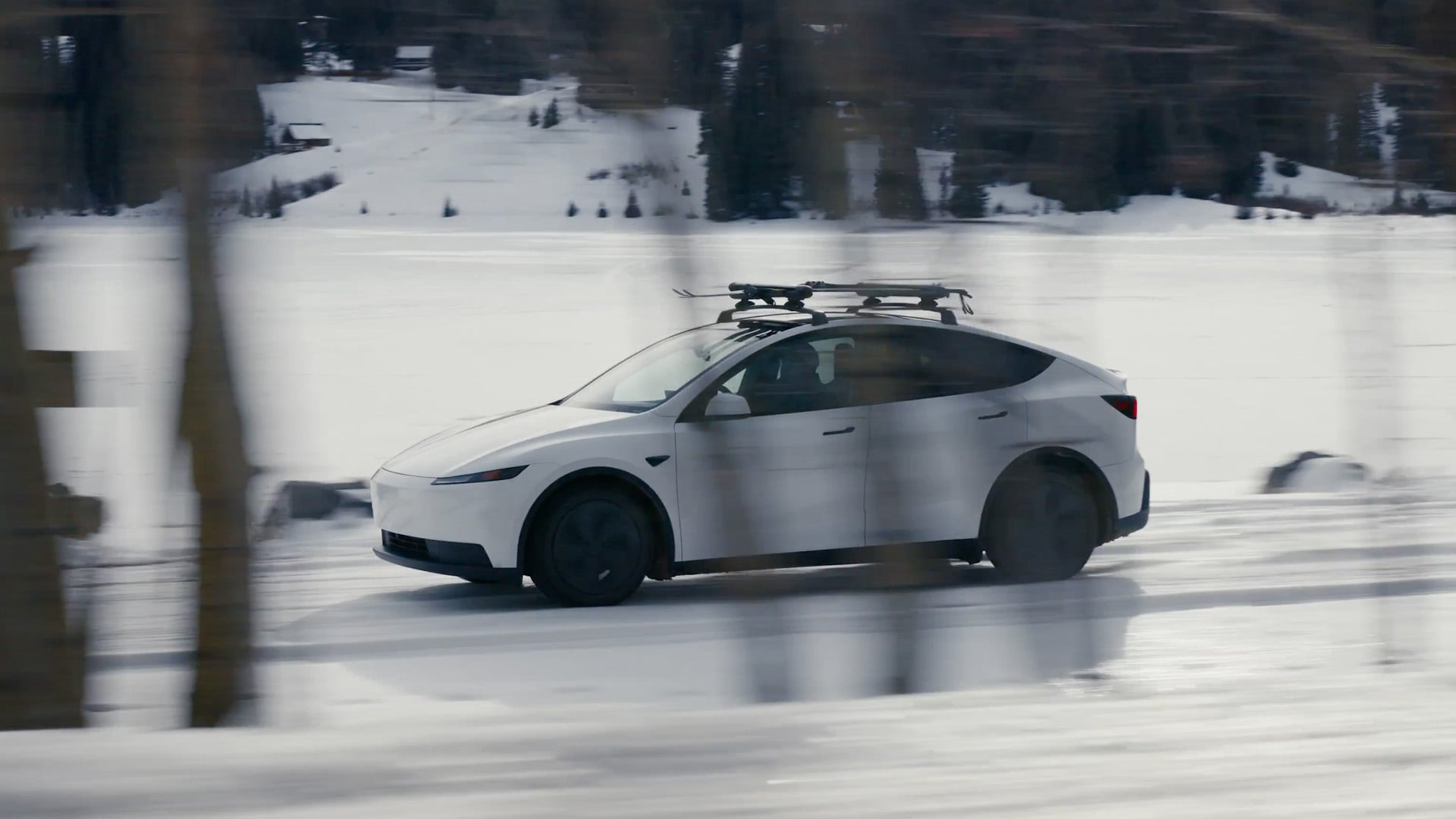
AUSTIN, Texas — Tesla is extending its newest Full Self-Driving software to hundreds of thousands of older vehicles, releasing an FSD (Supervised) v14 "Lite" build that brings the company's latest driving intelligence to cars running its third-generation HW3 computer.

The rollout, part of software update 2026.20.5.1, is a milestone many longtime owners have waited for. For much of the past year, the biggest V14 gains landed first on newer HW4 hardware. This release closes that gap, letting Model 3 and Model Y cars with HW3 tap into capabilities that were, until recently, reserved for the latest fleet.

Distilling HW4 Intelligence Into HW3

The headline is how Tesla pulled it off. Rather than simply porting old code, Tesla says it "distilled" the intelligence from its HW4 V14 stack down to HW3, letting the older computer learn directly from the newer system as a guide. That process carries over improvements built on reinforcement learning and offline models — techniques that helped make V14 markedly smoother on newer cars.

The practical result is a more capable and more comfortable drive. Tesla cites better responsiveness across navigation, merges and forks, pedestrian interactions, traffic lights, and vehicle cut-ins, along with fewer false slowdowns, smoother steering, and more consistent lane centering. It builds on the same real-world data advantage powering Tesla's 10-million-vehicle self-driving fleet, which feeds every improvement back into the system.

Tesla Brings FSD v14 'Lite' to Older HW3 Cars — additional image

New Tricks: Parking, Arrival Options, and Speed Profiles

V14 Lite also unlocks features that older cars simply did not have before. HW3 vehicles now gain parking, unparking, and reversing capabilities, plus Start Self-Driving from Park — a button that appears once the driver is seated, buckled, and the cabin camera is unobstructed.

New Arrival Options let drivers tell the car exactly where to end a trip — a parking lot, the street, a driveway, a garage, or curbside — in Robotaxi-style drop-offs, with preferences saved per destination. A new Speed Profiles system, meanwhile, tunes driving style from the mellow new "SLOTH" setting up through more assertive modes. According to the official release notes, the right scroll wheel now adjusts that profile directly.

A Fleet-Wide Upgrade

For owners, the message is simple: your car keeps getting better long after you drive it home. The same over-the-air pipeline that recently added a live self-driving indicator in the Tesla app is now delivering a fundamentally more capable driver to hardware that is years old.

The rollout is still ramping, appearing on a small slice of the fleet before broader distribution in the coming weeks. But the direction is unmistakable. By narrowing the divide between old and new hardware, Tesla is keeping millions of existing cars on the leading edge of autonomy — and reinforcing the case that an FSD-equipped Tesla is an appreciating software platform on wheels.