Live Robotaxi Rollout2,201Tesla
robotaxis
  • Bay Area, CA1,655 Model YsSafety driver
  • Texas546 (126 Cybercab · 420 Model Y)Driverless
  • Miami, FLModel Y fleet · count not disclosedDriverless
  • Orlando, FLModel Y fleet · count not disclosedDriverless
  • Tampa, FLModel Y fleet · count not disclosedDriverless
  • Las Vegas, NVPermit for up to 5,000 robotaxisApproved
  • Phoenix, AZLaunch preparations under wayComing soon

Owner Proves HW3-to-HW4 Retrofit Works, Pointing to Tesla Upgrade Path

A well-known Tesla developer has successfully transplanted a Hardware 4 self-driving computer into an older HW3 Model 3, showing an official retrofit is mechanically within reach.

3 min read
Owner Proves HW3-to-HW4 Retrofit Works, Pointing to Tesla Upgrade Path

FREMONT, Calif. — One of the questions that has hung over older Teslas for years just got a hopeful answer. Michal Gapinski, the software engineer behind the Tesla Android project, has successfully retrofitted a Hardware 4 (HW4/AI4) Autopilot computer into a 2022 Model 3 that originally shipped with Hardware 3 — and got its first camera working in the process.

A Cleaner Swap Than Expected

The takeaway is encouraging: upgrading an older Tesla to current self-driving hardware appears mechanically viable without replacing entire wiring harnesses or making major modifications. "It's not as bad as it seemed," Gapinski wrote, describing the computer replacement as needing only "some light ECU hacking."

Crucially, he found the factory camera wiring could stay in place. While the external cameras themselves must be swapped for newer HW4 units, adapters alone bridged the connection — no need to cut or replace cables. He also noted that cooling and power delivery in the 2022 Model 3 appear adequate to support the more powerful computer, and that an official "Highland" refresh bracket would bolt up cleanly. The demonstration echoes the kind of hardware-and-software integration Tesla itself has pursued as it unified FSD v14 across Hardware 3 and Hardware 4.

Why the Upgrade Matters

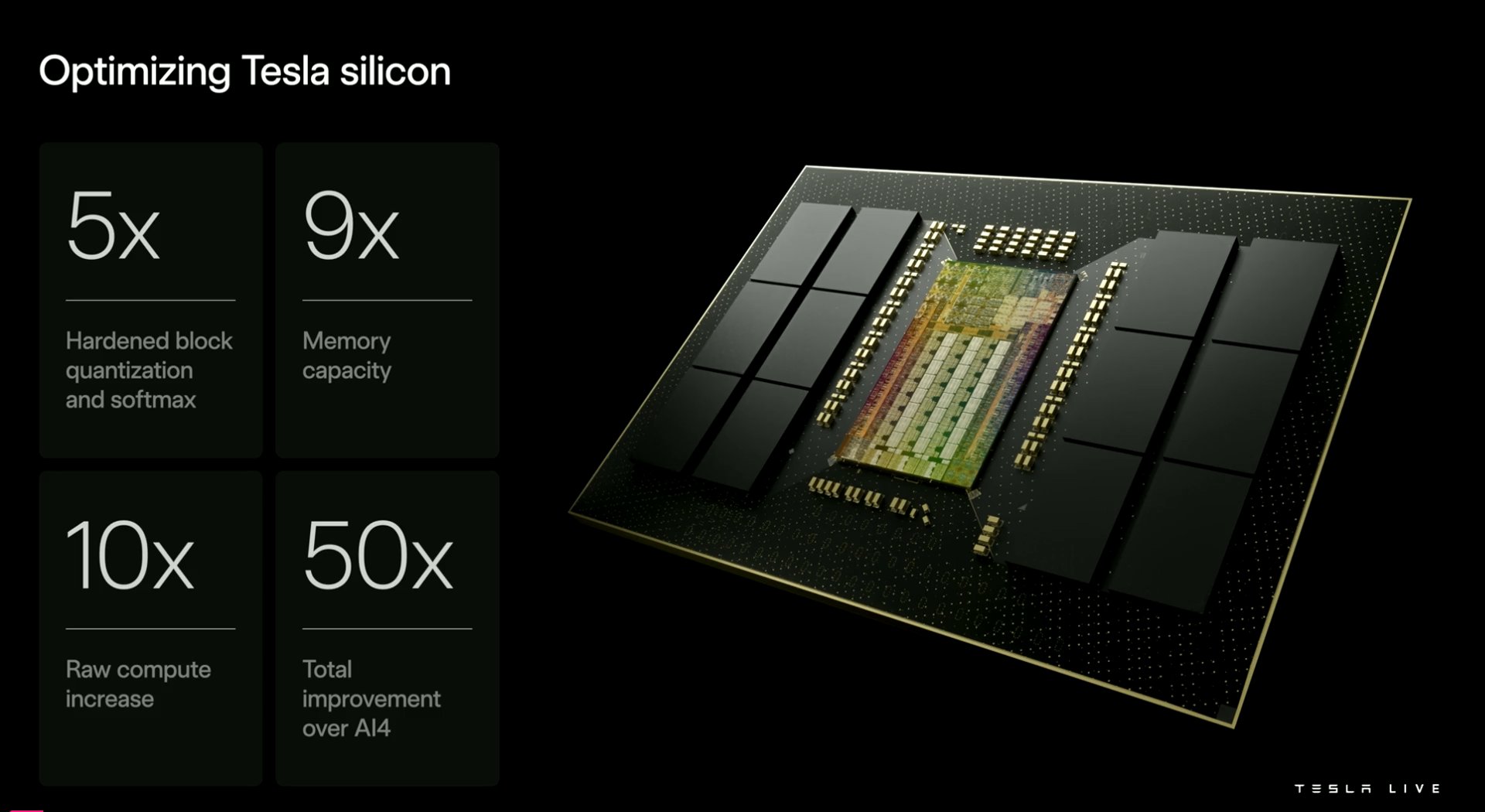
The motivation comes down to raw compute. Hardware 3 has only about 15% of the memory bandwidth of Hardware 4, a limitation that kept HW3 cars on older FSD builds far longer than newer vehicles. Moving to HW4 unlocks the full modern autonomy stack, with the headroom to run heavier neural networks comfortably.

Owner Proves HW3-to-HW4 Retrofit Works, Pointing to Tesla Upgrade Path — additional image

For owners, the proof-of-concept is genuinely good news. It shows the leap many assumed was impossible or prohibitively complex is, in fact, achievable with the right parts — chiefly the HW4 computer and cameras — and no wholesale rewiring.

Tesla Has Signaled a Path

Tesla has said an official HW3-to-HW4 upgrade is coming for customers who bought FSD outright, confirming it would also require higher-resolution HW4 cameras and likely temporary upgrade centers to handle the work. The company has framed the timing around solving autonomy first, so it knows exactly which hardware the final product needs.

That patience is strategic, and this community retrofit only strengthens Tesla's hand. It demonstrates that when Tesla is ready to offer a first-party program, the engineering hurdles are surmountable and the parts count is modest. As the company pushes ahead with next-generation silicon and its broader push to expand robotaxi vehicle types, projects like this one are a reminder that older Teslas need not be left behind. The road from HW3 to modern autonomy, it turns out, is shorter than many feared.