
AUSTIN, Texas — Buried inside Tesla's 216-page 2025 Impact Report is the story of a business quietly hitting escape velocity. In September 2025, Tesla installed its one millionth Powerwall — and the report details how that fleet, together with Megapack, is reshaping grids on four continents.
A Fleet, Not Just a Product
Since the first unit shipped in 2015, Tesla's Powerwall fleet has generated 17.3 terawatt-hours of clean energy and helped customers ride through 21.5 million outages. Global energy storage deployments exceeded 46 GWh in 2025, and the residential fleet now packs 6.7 GW of power — enough, Tesla notes, to power the entire country of Singapore.
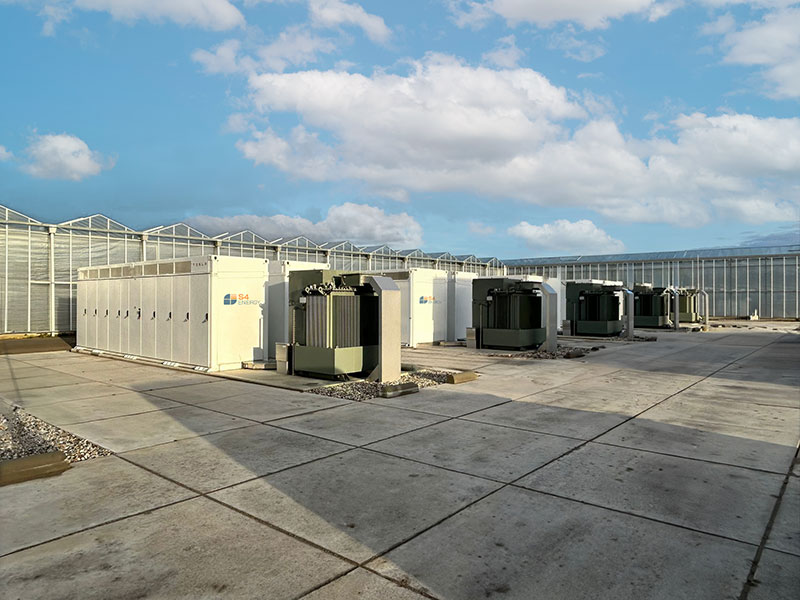
The report puts hard emissions numbers on the fleet for the first time: Powerwall units avoided roughly 900,000 metric tons of CO2e in 2025 — with 95% of their charging coming from solar — while the 31 GWh Megapack fleet avoided about 470,000 metric tons. One Megapack operating for a single year avoids almost twice the full lifetime emissions of one Tesla vehicle. That scale is why Tesla keeps pushing its battery cell capacity higher at factories like Giga Berlin.
Virtual Power Plants Go Mainstream
By the end of 2025, over 213,000 Powerwall units were enrolled in virtual power plant programs globally, delivering more than 20 GWh to support grids. In Puerto Rico, a VPP of more than 70,000 Powerwalls supplied nearly 50 MW during peak events, preventing outages that had hit the island in prior years. Texas customers logged over 35,000 hours of collective backup during the May outages, and Spanish and Portuguese owners rode out the April 28 blackout with 6,000+ hours of backup power.