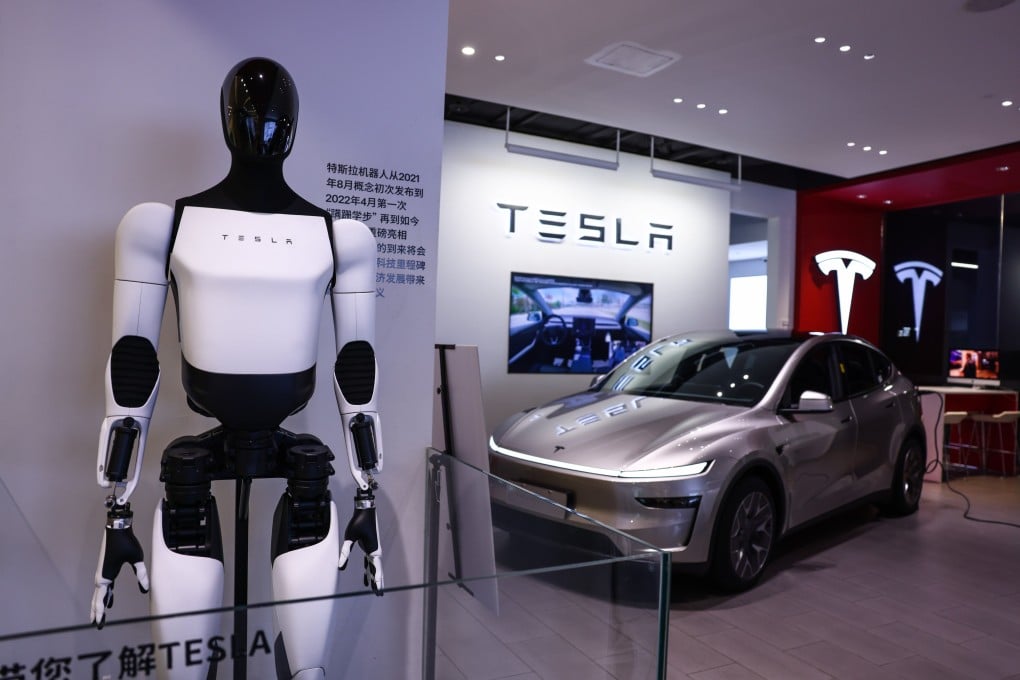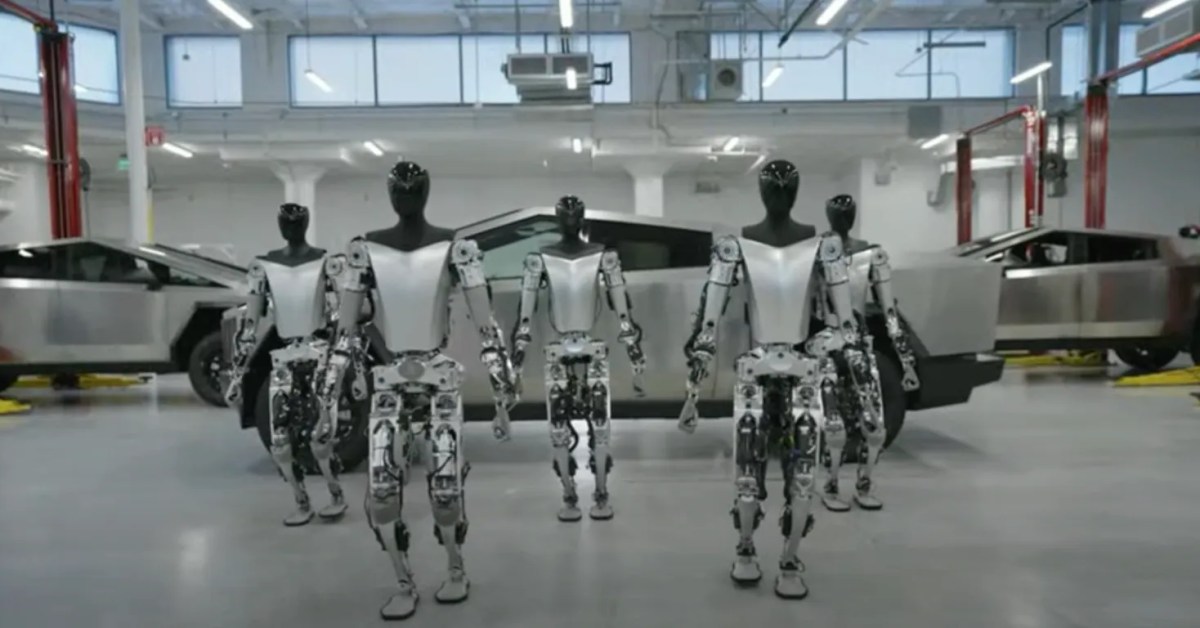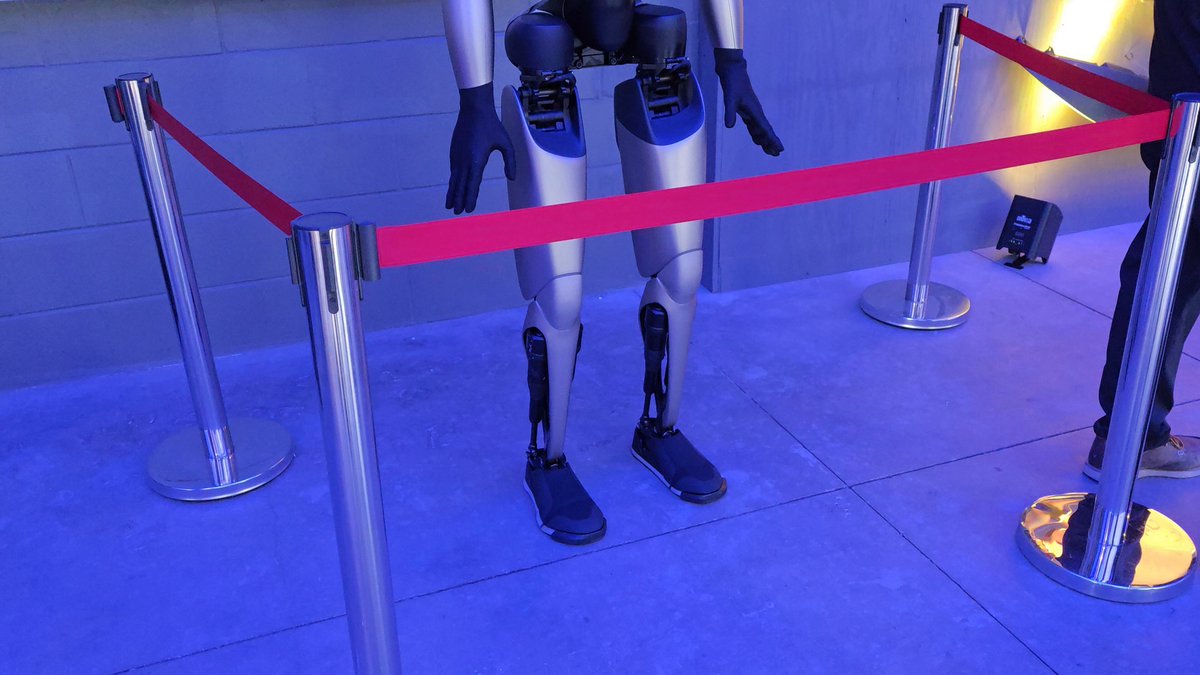
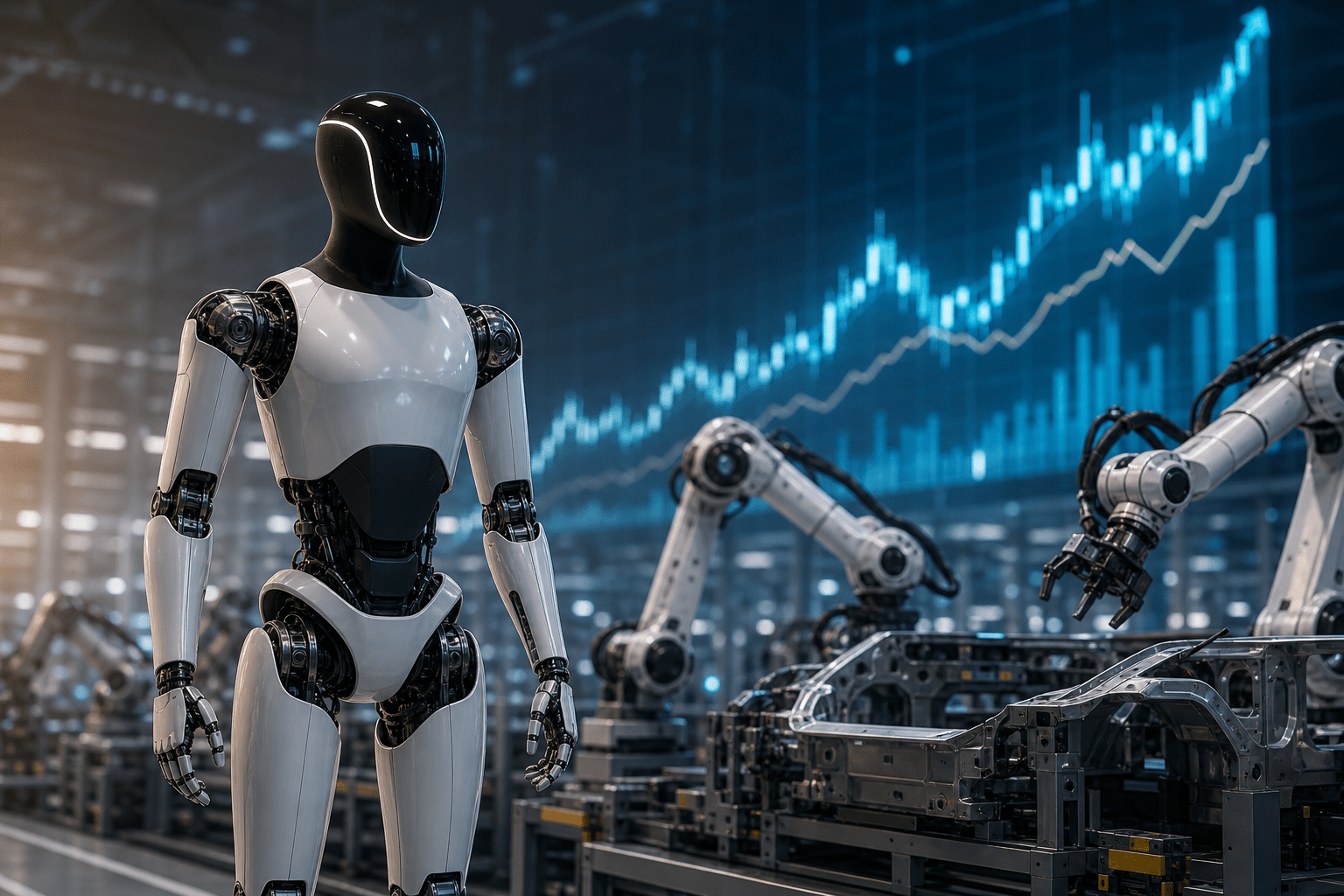
AUSTIN, Texas — Tesla is moving to lock down the supply chain behind its Optimus humanoid robot, dispatching officials and engineers to audit a cluster of Chinese component makers as it races to scale the machine Elon Musk has called the company's most important product ever.
People familiar with the effort say Tesla teams arrived in eastern China's Zhejiang province in mid-September and began field audits of firms including heat-management specialist Zhejiang Sanhua Intelligent Controls, auto-parts supplier Ningbo Joyson Electronic, and chassis maker Tuopu Group. All three already supply parts for Tesla's electric cars, giving the automaker a running start as it converts trusted automotive partners into robotics vendors. Shares of several Chinese robotics-component makers jumped on the report that Tesla was placing fresh orders and ramping its audit campaign.
Why the Audits Matter
A supplier audit is the process by which a customer verifies that a vendor's production quality, capacity and compliance meet its standards before large orders begin. The fact that Tesla is running these checks now is a strong signal that Optimus is shifting from the prototype phase into real volume manufacturing.
Musk has said repeatedly that the supply chain — not the robot's design — is the hardest part of building humanoids at scale. By auditing suppliers that already meet automotive-grade requirements, Tesla can compress the timeline that would normally slow a brand-new product line. The company has been open about its ambition, aiming to build toward 15,000 units and its first customer shipments as the program matures.
From Cars to Robots
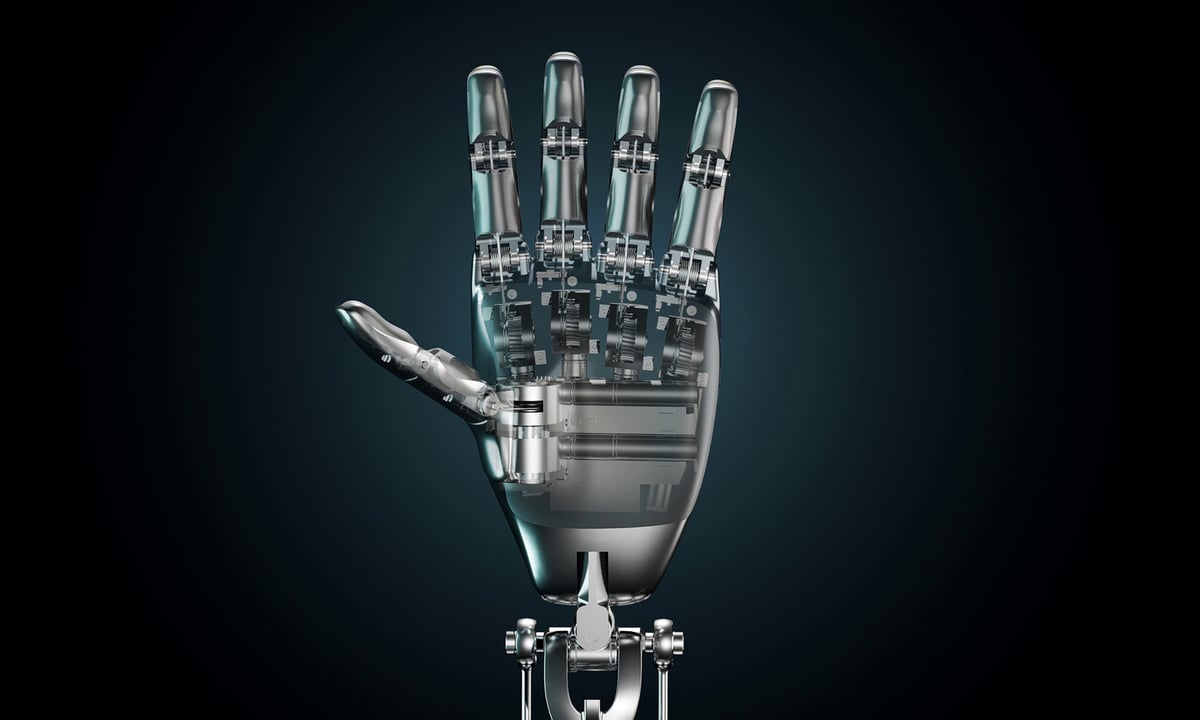
The overlap between Tesla's vehicle and robot supply chains is a quiet advantage rivals will struggle to match. Sanhua's precision thermal-control components, Joyson's actuators and sensors, and Tuopu's structural hardware all map neatly onto what a humanoid needs to move, balance and stay cool under load. Because these vendors have shipped millions of automotive parts, they bring existing tooling, quality systems and cost discipline to the table.