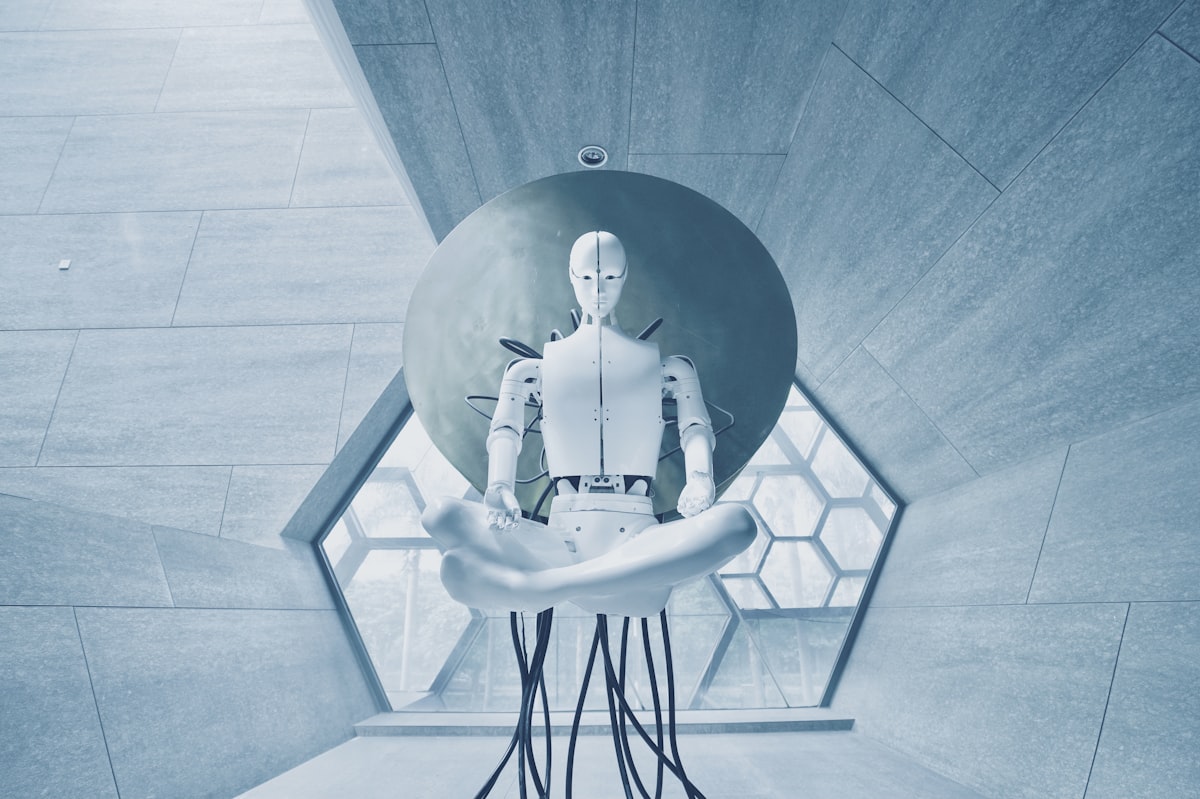
AUSTIN, Texas — Tesla's dedicated factory for Optimus humanoid robots is officially under construction at Gigafactory Texas, with the first steel structure now standing and a second phase of land reclamation underway. Drone footage captured on May 27, 2026 by Giga Texas observer Joe Tegtmeyer shows the new building taking shape on the North Campus of the facility — a milestone that moves Tesla's most ambitious manufacturing project from blueprint to physical reality.
The new facility is expected to extend nearly the full length of the main Gigafactory Texas building, potentially exceeding 4,000 feet, while spanning somewhat narrower in width. Combined with the broader North Campus expansion adding more than 5.2 million square feet of new industrial space, the Optimus plant represents the largest addition to Tesla's manufacturing footprint since the Austin factory itself opened in 2022.
Why This Factory Matters
Tesla's stated production target for Optimus is staggering: up to 10 million units per year once the facility reaches full operational capacity — roughly 27,000 robots per day. To put that number in context, Tesla produced approximately 1.8 million electric vehicles in 2024. Optimus at scale would make Tesla the largest manufacturer of humanoid robots by an enormous margin.
Elon Musk has repeatedly described Optimus as potentially Tesla's most valuable product — more significant in the long run than even the vehicle business. The thesis is that general-purpose humanoid robots capable of performing physical labor across factories, warehouses, and eventually homes represent a market measured not in billions but in tens of trillions of dollars.
The phase-out of Model S and Model X production earlier this year, freeing up manufacturing space in Fremont, California, was the first step in this pivot. Initial Optimus production at Fremont is expected to begin in July or August 2026, with early units supporting internal Tesla factory tasks while the engineering team refines performance and autonomy. The Giga Texas facility will house a second-generation, high-volume production line targeting mass output starting in Summer 2027.