
FREMONT, Calif. — Tesla is racing to turn the birthplace of the Model S into the launchpad for its humanoid robot. The company is converting its former Model S and Model X assembly line in Fremont into the first dedicated Optimus production line, with CEO Elon Musk targeting the start of output in late July or August — roughly four months after the last sedans and SUVs rolled off the line in early May.
A Four-Month Conversion
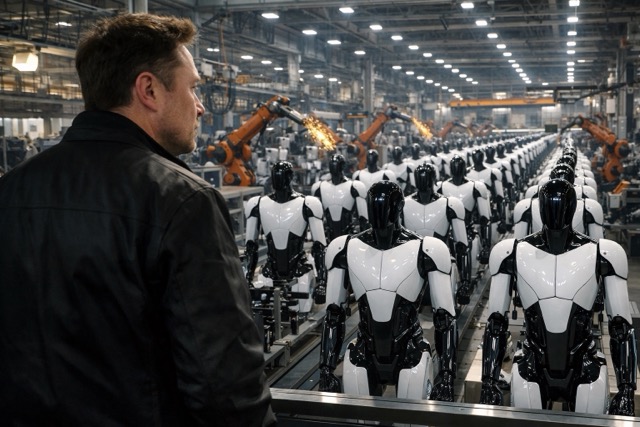
The timeline is aggressive by any manufacturing standard. After ending a 14-year Model S run and 11 years of Model X production, Tesla is dismantling the entire line from the ground up — starting with parts-production equipment and working forward to final assembly — then installing all-new tooling, wiring, communications, and testing infrastructure for Optimus.
Musk has framed the speed as unprecedented, arguing that stopping one production line, tearing it out, and standing up a completely new one in four months is something he does not believe any other company has done. The Fremont effort is the first phase of a broader plan; Tesla has also confirmed that its larger, dedicated Optimus factory is now under construction at Giga Texas, a site eventually designed to build up to 10 million units a year.
Slow and Steady First, Then Scale
Tesla is being candid that early volume will be modest. Musk has called it impossible to predict 2026 output precisely, noting that Optimus is a brand-new product with more than 10,000 unique components, none of which have been through mass production. Initial robots will handle simple tasks inside Tesla's own facilities while the team gathers real-world data and refines the process before ramping toward high volume in 2027.