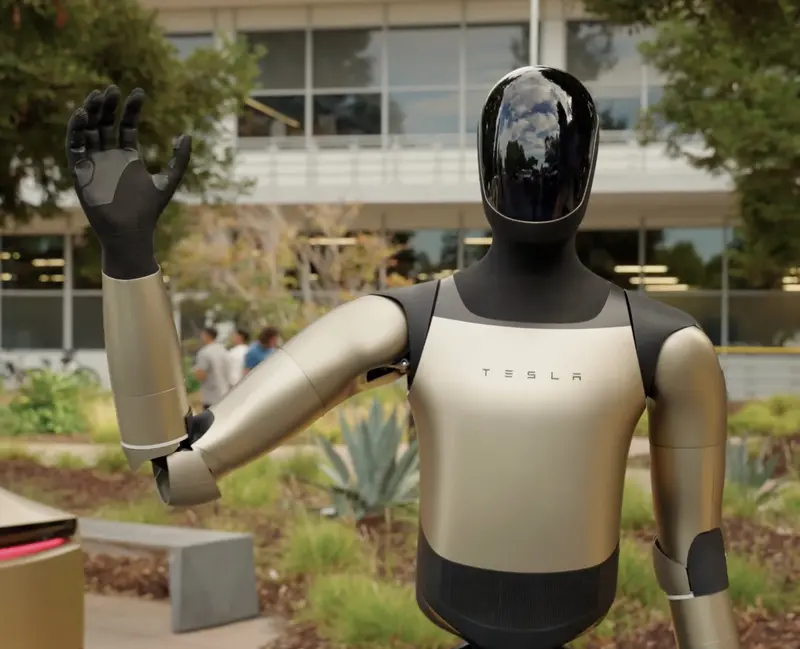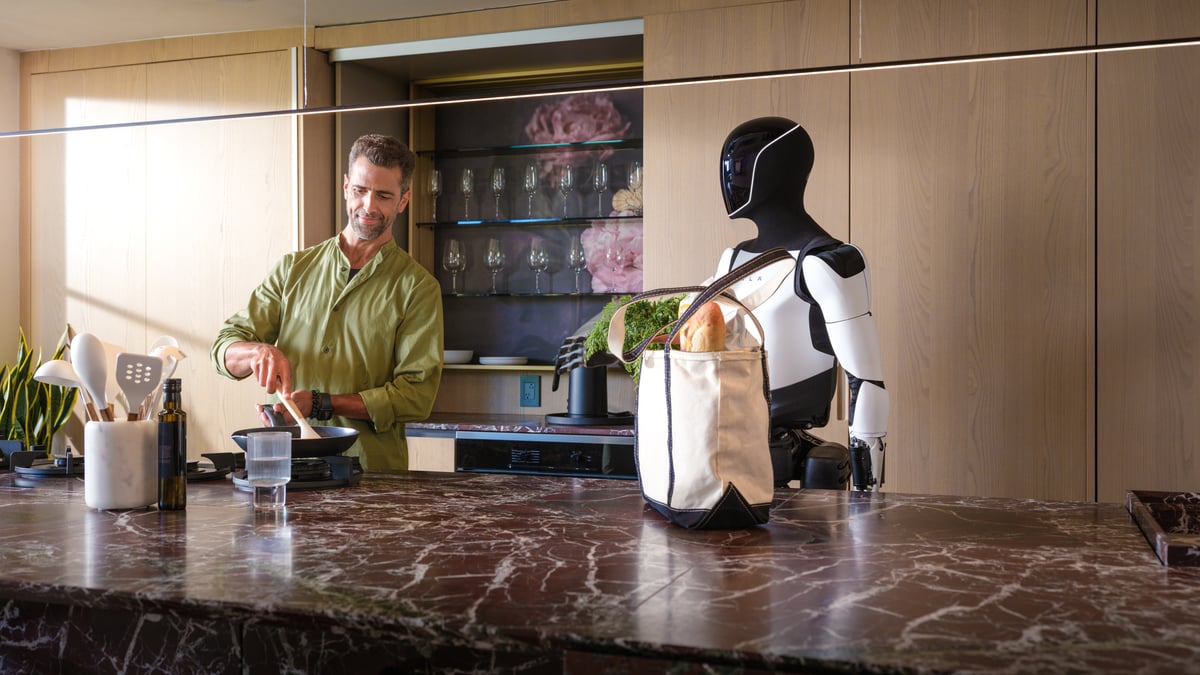
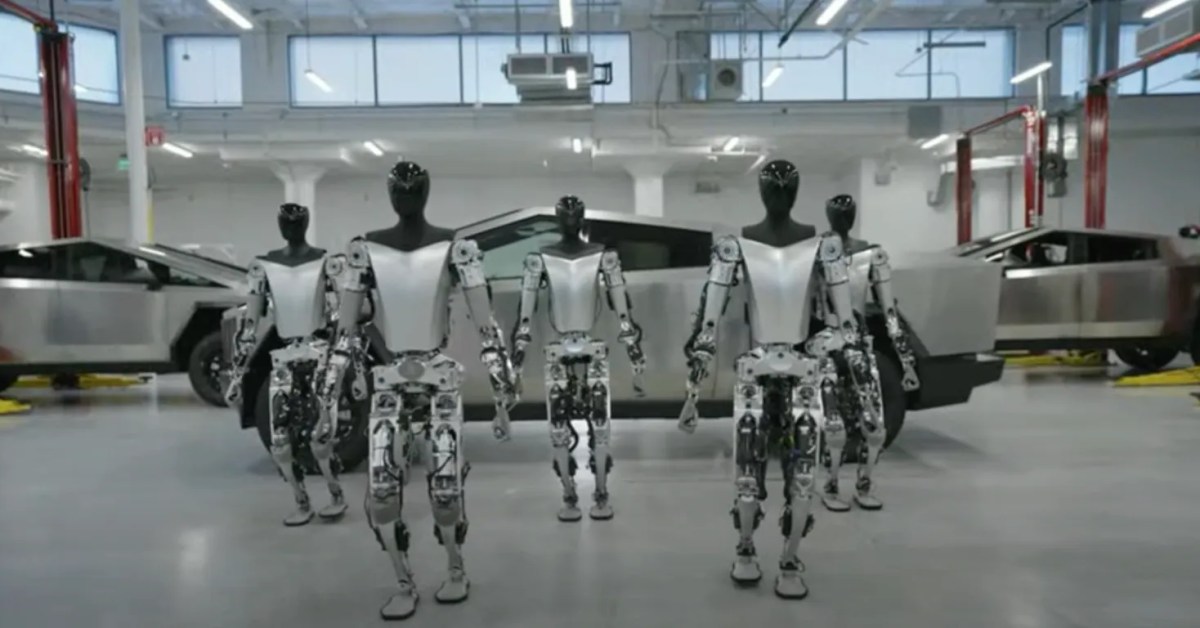
FREMONT, Calif. — Tesla's humanoid robot is crossing the line from prototype to product. The company has installed its first-generation Optimus production lines at Fremont, converting the freed-up Model S and Model X assembly hall in a matter of months, and is preparing to begin building robots in volume for the first time.
A Record-Speed Conversion
The transformation is aggressive even by Tesla standards. After the final Model S and X vehicles rolled off the historic line, Tesla dismantled it from the ground up and rebuilt it for an entirely different machine, complete with new wiring, communications and testing infrastructure. Elon Musk framed the roughly four-month turnaround as something no other automaker has attempted, tearing out one production line and standing up a completely new one in a single quarter.
Tesla has been candid that early output will be modest. Optimus is a brand-new product with more than 10,000 unique components, and Musk has said the ramp will move only as fast as its trickiest part. That measured tone is a feature, not a bug: it signals a company focused on getting the manufacturing right before chasing headline numbers. Musk detailed the timeline during Tesla's quarterly update covered by Electrek.
Robots That Learn on the Job
The first Optimus units will not head straight to customers. Instead, Tesla plans to put them to work inside its own operations, an internal training program sometimes described as the Optimus Academy, where the robots gather real-world data and build up capability doing simple factory tasks before taking on anything more complex.