Live Robotaxi Rollout2,201Tesla
robotaxis
  • Bay Area, CA1,655 Model YsSafety driver
  • Texas546 (126 Cybercab · 420 Model Y)Driverless
  • Miami, FLModel Y fleet · count not disclosedDriverless
  • Orlando, FLModel Y fleet · count not disclosedDriverless
  • Tampa, FLModel Y fleet · count not disclosedDriverless
  • Las Vegas, NVPermit for up to 5,000 robotaxisApproved
  • Phoenix, AZLaunch preparations under wayComing soon

Tesla Lets Powerwall 2 Owners Add a Powerwall 3

Tesla now lets Powerwall 2 owners expand their home battery with a newer Powerwall 3 in North America and Australia.

3 min read
Tesla Lets Powerwall 2 Owners Add a Powerwall 3

AUSTIN, Texas — Tesla is giving longtime home-battery owners a simpler path to more storage. On Tuesday, Tesla Energy announced that Powerwall 2 owners in North America and Australia can now expand their systems with a Powerwall 3 — the first time the company has let older-generation customers add its newest hardware rather than starting over.

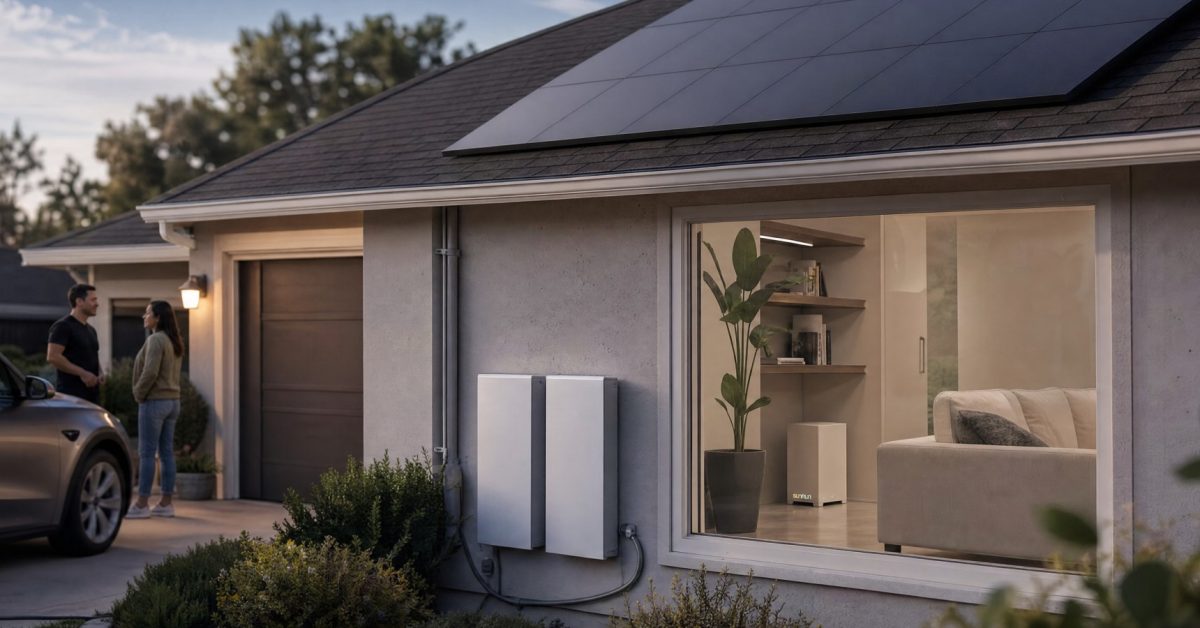
The option lets households pair a 13.5 kWh Powerwall 3 alongside an existing Powerwall 2, instead of sourcing another second-generation unit or replacing the whole setup. Footage shared with the announcement showed the two generations installed side by side.

Closing an upgrade gap

Until now, expansion has been a one-way street. Tesla introduced Powerwall 3 Expansion units in 2024 for Powerwall 3 owners, while Powerwall 2 households could only add another Powerwall 2. Tuesday's change ends that limitation, opening a cleaner upgrade route for owners who bought in during the Powerwall 2 era and want to grow capacity without ripping out working hardware.

It is a small but meaningful move for the millions of homeowners who have made Tesla's home battery the backbone of their solar and backup-power setups. More capacity means longer backup during outages, more solar energy stored for evening use, and a bigger cushion against volatile grid pricing.

Tesla Lets Powerwall 2 Owners Add a Powerwall 3 — additional image

Home batteries as grid muscle

The timing reflects how central home batteries have become to grid stability. Tesla's California Powerwall virtual power plants recently dispatched more than 500 MW during a heatwave, showing how much flexible power now sits behind residential meters. Letting older systems add capacity puts even more dispatchable energy within reach — a win for owners and for the grid.

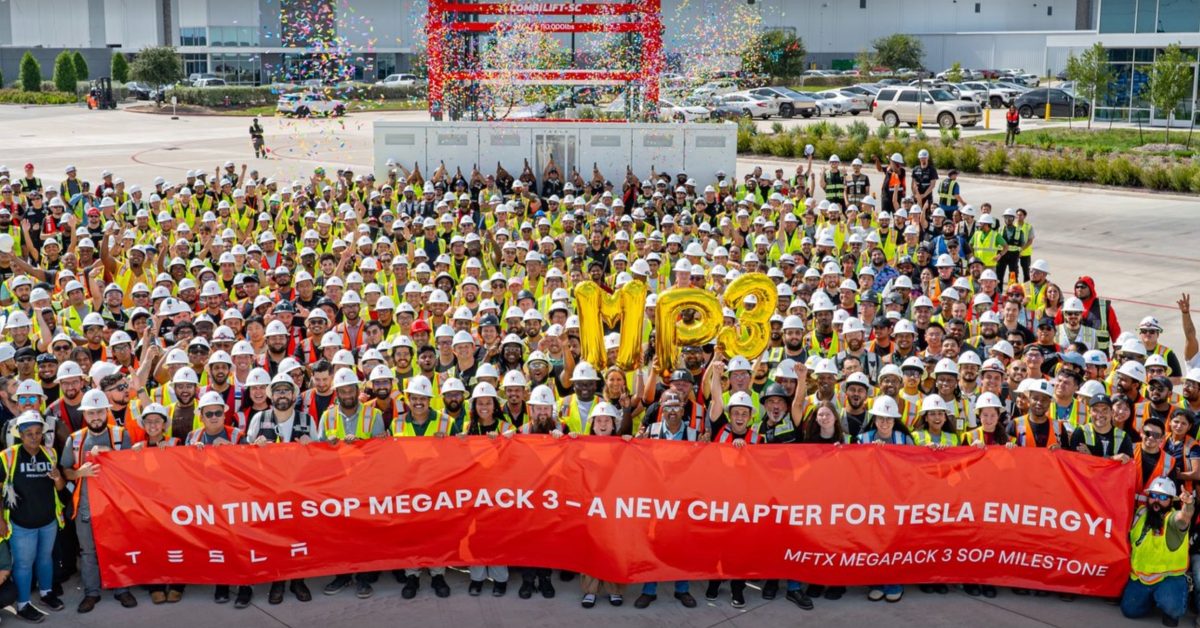
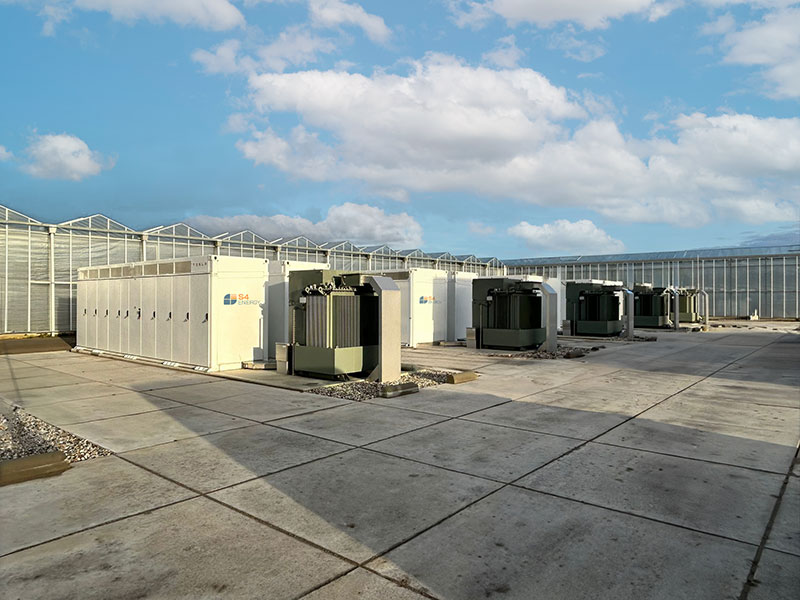
That distributed strategy complements Tesla's utility-scale work, where Megapack installations continue to set records, including Australia's first eight-hour grid-scale battery. Together, the two ends of Tesla's energy business — home and utility — are reshaping how power is stored and delivered.

A widening rollout

Powerwall 3, which pairs a 13.5 kWh pack with an integrated solar inverter, has been expanding steadily, including a recent push into Japan for fall installations. Tuesday's expansion option adds a fresh reason for existing customers to stay in the ecosystem.

As reported by TeslaNorth, the practical questions now fall to installers and homeowners — cost, wiring and permitting — but the direction is clear. Tesla is making it easier than ever to store more clean energy at home, and turning millions of houses into a distributed power plant one battery at a time.