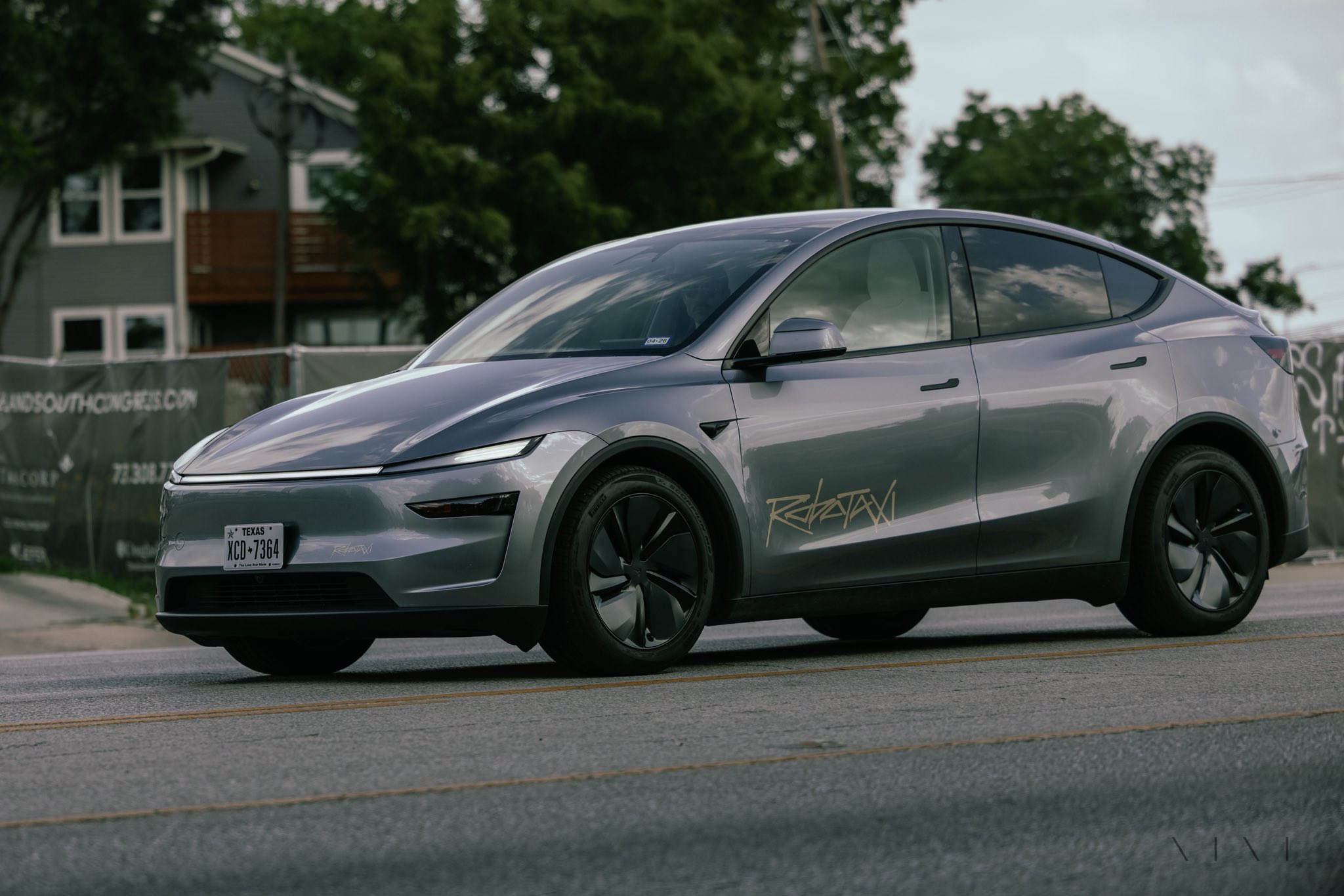
Tesla Says 24-Hour Robotaxi Service Could Begin Next Month

Tesla AI lead Ashok Elluswamy says round-the-clock driverless Robotaxi rides are close, with 24-hour service potentially arriving as soon as October once the next FSD v15 module ships.

3 min read
Tesla Says 24-Hour Robotaxi Service Could Begin Next Month

AUSTIN, Texas — Tesla's driverless Robotaxi network is on track to run around the clock, with the company signaling that 24-hour service could begin as soon as next month. Tesla AI lead Ashok Elluswamy said this week that overnight operation is close, telling a rider on X that the capability would arrive "next month or so" once the next piece of the Full Self-Driving v15 plan is ready.

From A Daytime Pilot To All-Night Service

Tesla's paid Robotaxi network currently runs from 6 a.m. to 10 p.m., seven days a week, across Austin, Dallas, Houston, Miami, Orlando and Tampa. Extending that to a full 24 hours would mark a major shift from a daytime-bounded pilot to a service that can operate whenever demand exists, including the late-night hours that have so far remained out of reach.

The timing follows Tesla's decision to open its robotaxi network to fleet buyers and partners, a sign the company is moving quickly to broaden availability just days after public Cybercab rides began.

Why Software, Not Hardware, Is The Gate

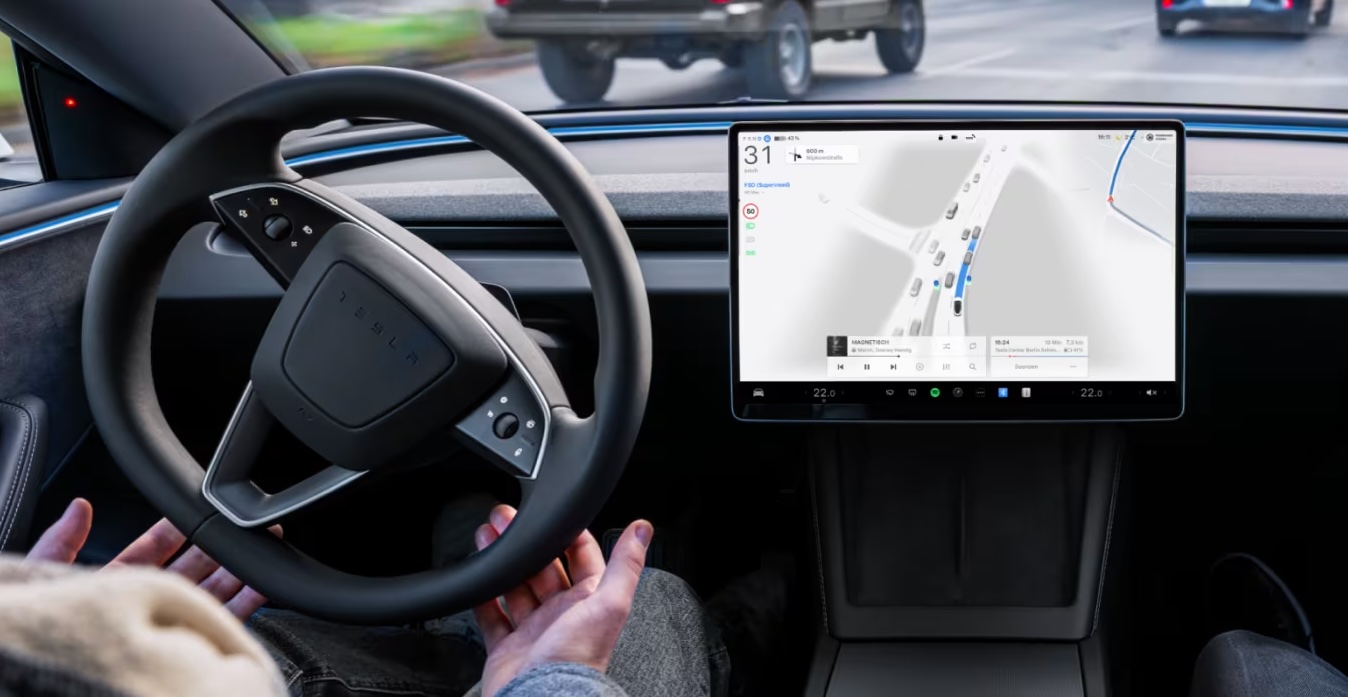
Riders have asked why the software must change if the cars already drive in the dark. The practical answer appears to be reliability and scale. Tesla has described v15 as a step-change architecture with seven parallel improvement tracks and roughly ten times more parameters than earlier builds, as detailed in reporting on the company's latest milestones. Early versions of that software already operate on the Robotaxi fleet and contain about 40 percent of the planned gains.
Tesla Says 24-Hour Robotaxi Service Could Begin Next Month — additional image

Overnight service would test the company's camera-first approach in lower-light conditions and would also raise vehicle utilization, a key variable for Robotaxi unit economics. Elluswamy did not name the specific feature or say whether the change would apply first to purpose-built Cybercabs, the existing Model Y fleet, or both.

Building For Round-The-Clock Demand

Tesla has already begun using public Superchargers at night and is constructing dedicated Robotaxi charging sites to keep vehicles moving through the small hours. The infrastructure push dovetails with rapid regulatory progress; Nevada recently cleared Tesla to run up to 5,000 robotaxis in the Las Vegas area, one of several approvals paving the way for large-scale deployment.

By July 2026, the unsupervised fleet had logged more than 380,000 miles across six cities in two states with what the company called an impeccable safety record and no notable incidents caused by the vehicles themselves. That track record has given Tesla the confidence to keep expanding both where and when its cars operate.

If the next module arrives on the timetable Elluswamy sketched, 24-hour service could begin in October in at least some markets — turning a daytime experiment into a service that runs whenever riders need it and pushing Tesla's autonomy lead further ahead.