AUSTIN, Texas — Tesla's driverless Robotaxi service is about to lose its curfew. According to the company's head of AI, Ashok Elluswamy, the rollout of Tesla's next-generation Full Self-Driving architecture will let the fleet operate 24 hours a day as soon as next month, a milestone that turns a limited pilot into a true around-the-clock ride-hailing network.
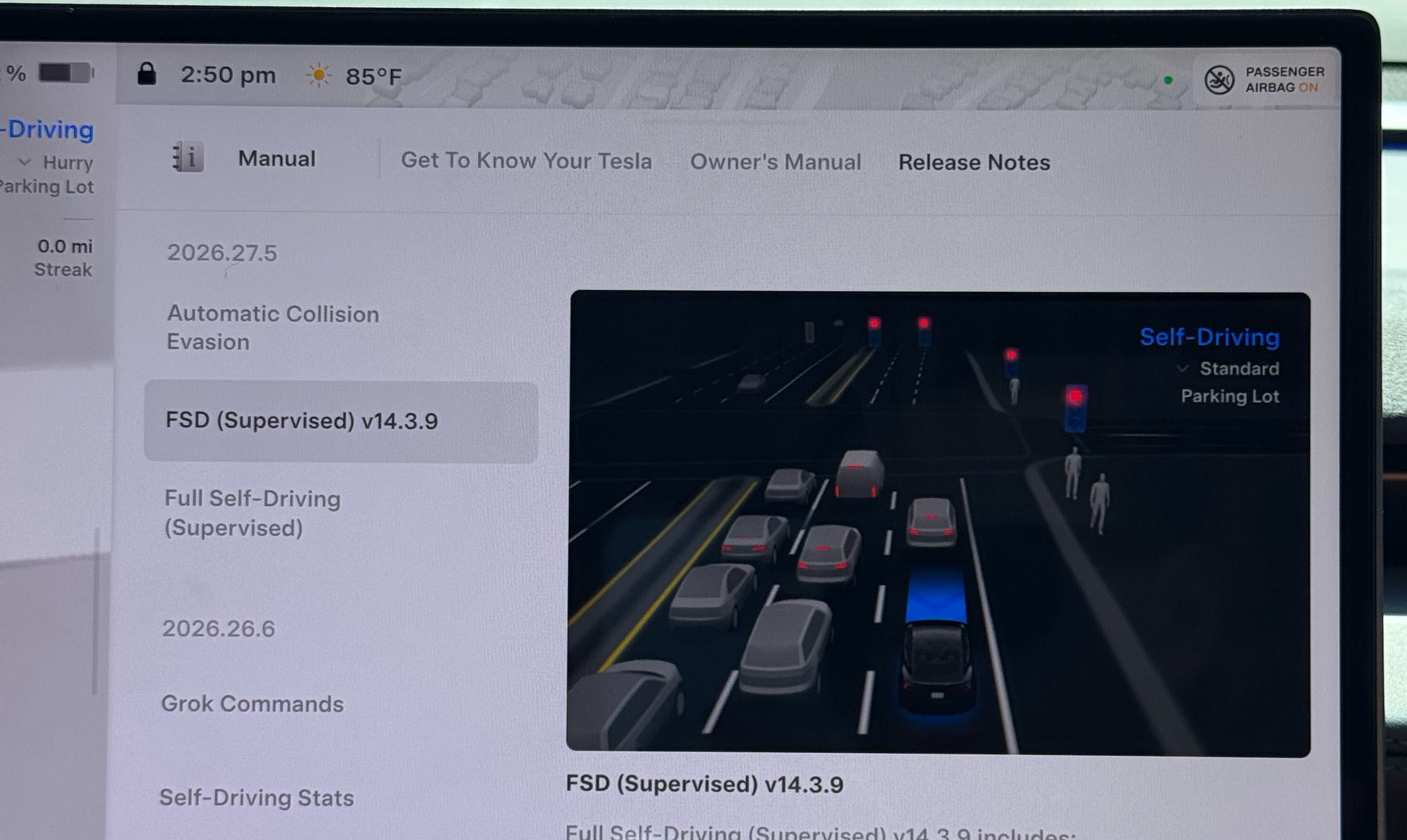
Today, Robotaxi rides in active markets follow set operating hours, with gaps that leave certain times of day offline. Elluswamy said the missing piece is FSD v15: "next month or so, the next tech to merge on the v15 plan will enable it." That timeline points to an October deployment for the commercial fleet, building on the momentum of a robotaxi service that already lets riders choose between a Cybercab or a Model Y.
From night rides to round-the-clock service
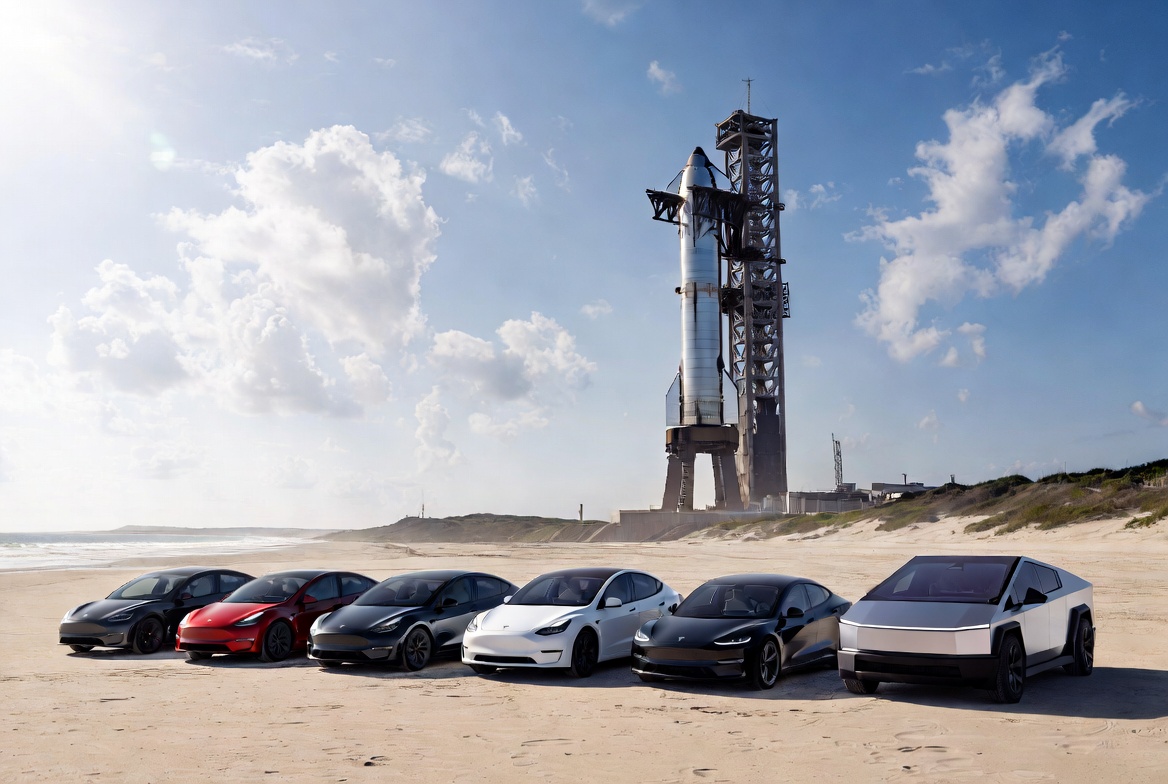
Tesla has steadily widened its Robotaxi footprint across Austin, Dallas, Houston, the Bay Area, Miami and more, and unsupervised night rides began earlier this year. Closing the remaining scheduling gaps requires both smarter software and a denser fleet, and Tesla now has both. The purpose-built two-seat Cybercab has officially joined the fleet in Austin alongside retrofitted Model Ys, giving Tesla the vehicle density needed to keep cars available at any hour.
FSD v15 is a step change
Under the hood, v15 is an enormous upgrade, one Tesla executives suggest could be bigger than the jump from v13 to v14. Elluswamy has previewed a move to a 10-billion-parameter neural network that delivers earlier hazard forecasting, quicker reaction times and better collision avoidance. Some Robotaxi vehicles are already running early v15 builds carrying seven major architectural changes over the v14 stack, and those limited tests are converging toward a fleet-wide release. The safety gains echo the improvements Tesla laid out in its FSD v15 collision-avoidance preview.
A precursor to rapid expansion
Activating v15 across the commercial fleet is more than a convenience upgrade; it is the gate to scaling. Tesla has said it needs v15 in place before expanding Robotaxi to new regions at scale, so a smooth October rollout would clear the runway for fresh metropolitan markets. Both current Hardware 4 vehicles and production Cybercabs have the compute to run v15 and unsupervised driving, meaning the same software branch that unlocks 24/7 service also sets the stage for a much larger map.
Good news for owners, too
Validating v15 on commercial vehicles feeds a torrent of real-world driving data back into development, sharpening the software for everyone. If the driverless fleet transitions to v15 next month without friction, Tesla's target of shipping v15 to consumer Hardware 4 cars late this year or early next looks increasingly credible. As reported by Not a Tesla App, the next few weeks could mark the moment Tesla's robotaxi ambitions shift from promising pilot to always-on service.