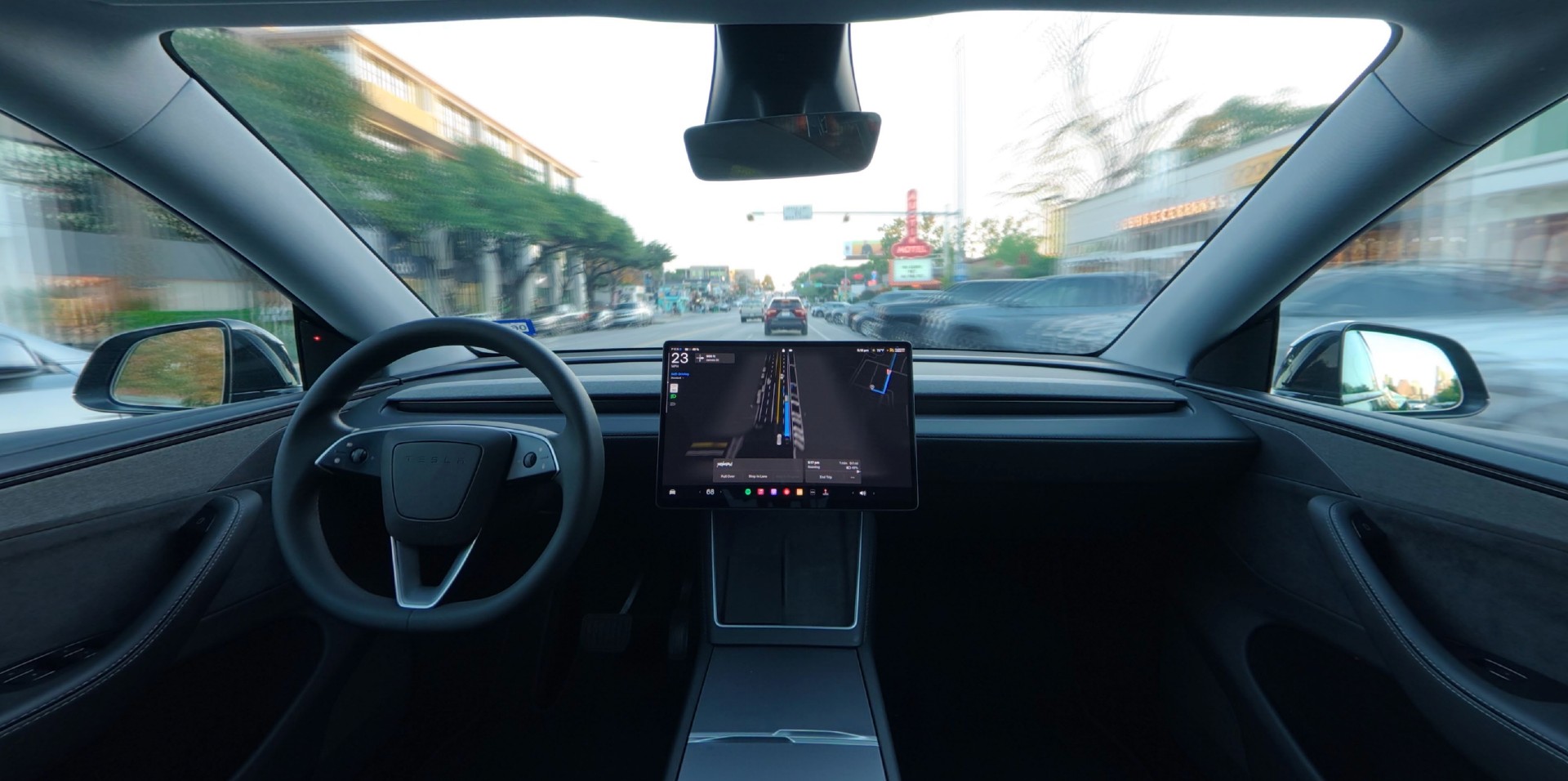
Tesla Lines Up Robotaxi Rollout Across Seven New Cities

With a Nevada green light in hand and a Cybercab launch days away, Tesla's plan to bring its robotaxi service to seven major U.S. cities is moving from roadmap to reality.

3 min read
Tesla Lines Up Robotaxi Rollout Across Seven New Cities

AUSTIN, Texas — Tesla''s driverless ride-hailing ambitions are widening well beyond their Texas home, with the company mapping an aggressive multi-city rollout that would put its robotaxi service in some of the largest metro areas in the United States.

Tesla has outlined plans to expand the service into Dallas, Houston, Phoenix, Miami, Orlando, Tampa, and Las Vegas, adding to existing operations in Austin and the California Bay Area. The momentum behind that map has accelerated this month, most notably after Nevada regulators cleared Tesla for paid robotaxi rides in Las Vegas, authorizing a fleet that can scale to thousands of vehicles across Clark County.

From two markets to a national footprint

The expansion builds on a program that has already proven itself on public roads. Tesla has said it logged nearly 700,000 paid robotaxi miles since launching the service last June, operating first in Austin and then the Bay Area while carefully widening its footprint. In its internal rollout planning, Tesla has listed the Bay Area as running with a safety driver and Austin as "ramping unsupervised," a sign of how quickly the fully driverless side of the business is maturing.

Each new city extends Tesla''s reach into the ride-hailing market long dominated by human-operated platforms like Uber and Lyft. Because the Tesla fleet runs on the company''s own Full Self-Driving software and vehicles it already builds at scale, Tesla believes it can offer rides at lower cost and with more consistent availability than services dependent on human drivers.

Tesla Lines Up Robotaxi Rollout Across Seven New Cities — additional image

Cybercab arrives to anchor the push

The timing is deliberate. Tesla is days away from a Cybercab launch event set for September 3 in Austin, introducing the purpose-built, two-seat vehicle that has no steering wheel or pedals and is designed from the ground up for autonomous ride-hailing. As the Cybercab enters the fleet alongside modified Model Y vehicles, Tesla gains a dedicated robotaxi platform tuned for high utilization and better per-mile economics.

That combination of hardware and software is what makes a seven-city expansion credible rather than aspirational. The Cybercab supplies a low-cost, high-uptime vehicle, while FSD provides the driving intelligence that lets Tesla scale without adding human drivers. Executives have repeatedly voiced confidence in the near-term scalability of the program, and the recent wave of regulatory approvals suggests officials are increasingly comfortable letting Tesla grow.

The road ahead

Tesla is easing into each market with a safety-first posture, and the pace of any single city launch will depend on inspections, insurance filings, and local approvals. But the direction is unmistakable. As detailed by Teslarati, Tesla is assembling the pieces for a genuinely national robotaxi network, and with Nevada cleared and the Cybercab about to debut, the company''s vision of summoning a driverless Tesla in cities across the country is closer than ever to everyday reality.