Tesla Robotaxi Expands to Tampa and Orlando Before Earnings

Tesla switched on unsupervised Robotaxi service in Tampa and Orlando on Tuesday, adding two Florida metros to its driverless network the day before Q2 earnings.

3 min read
Tesla Robotaxi Expands to Tampa and Orlando Before Earnings

AUSTIN, Texas — Tesla flipped the switch on its Robotaxi service in two more Florida cities on Tuesday, bringing driverless ride-hailing to Tampa and Orlando as the company heads into one of the most closely watched earnings reports of the year.

The rollout, announced through Tesla's @robotaxi account on Tuesday morning, makes Tampa and Orlando the second and third Florida metros to join the network, following the debut in Miami earlier this month. They now sit alongside Austin, Dallas, Houston, Miami and the San Francisco Bay Area on Tesla's growing map of autonomous ride-hailing regions.

Two more cities, no safety drivers

The rides in both new cities are fully unsupervised. Tesla AI chief Ashok Elluswamy confirmed that the Florida service operates without a safety driver behind the wheel or anyone in the cabin to intervene, the same standard Tesla has been steadily extending city by city. It is the kind of milestone that would have sounded far-fetched only a couple of years ago, and Tesla is now repeating it in metro after metro.

In Orlando, the initial geofence covers a substantial slice of the metro core, running between roughly 25 and 45 square miles and bounded by major arteries such as SR-417 and SR-528, taking in tourism-heavy districts and residential neighborhoods alike. In Tampa, the mapped service area covers downtown along with West Tampa, Tampa Heights and Hyde Park. Tesla typically launches with a compact zone and then widens it through over-the-air software updates, exactly as it has done in Austin and elsewhere. As Tesla continues to build out the supporting fleet and logistics for these launches, each new city adds more real-world driving data.
Tesla Robotaxi Expands to Tampa and Orlando Before Earnings — additional image

The Cybercab waits in the wings

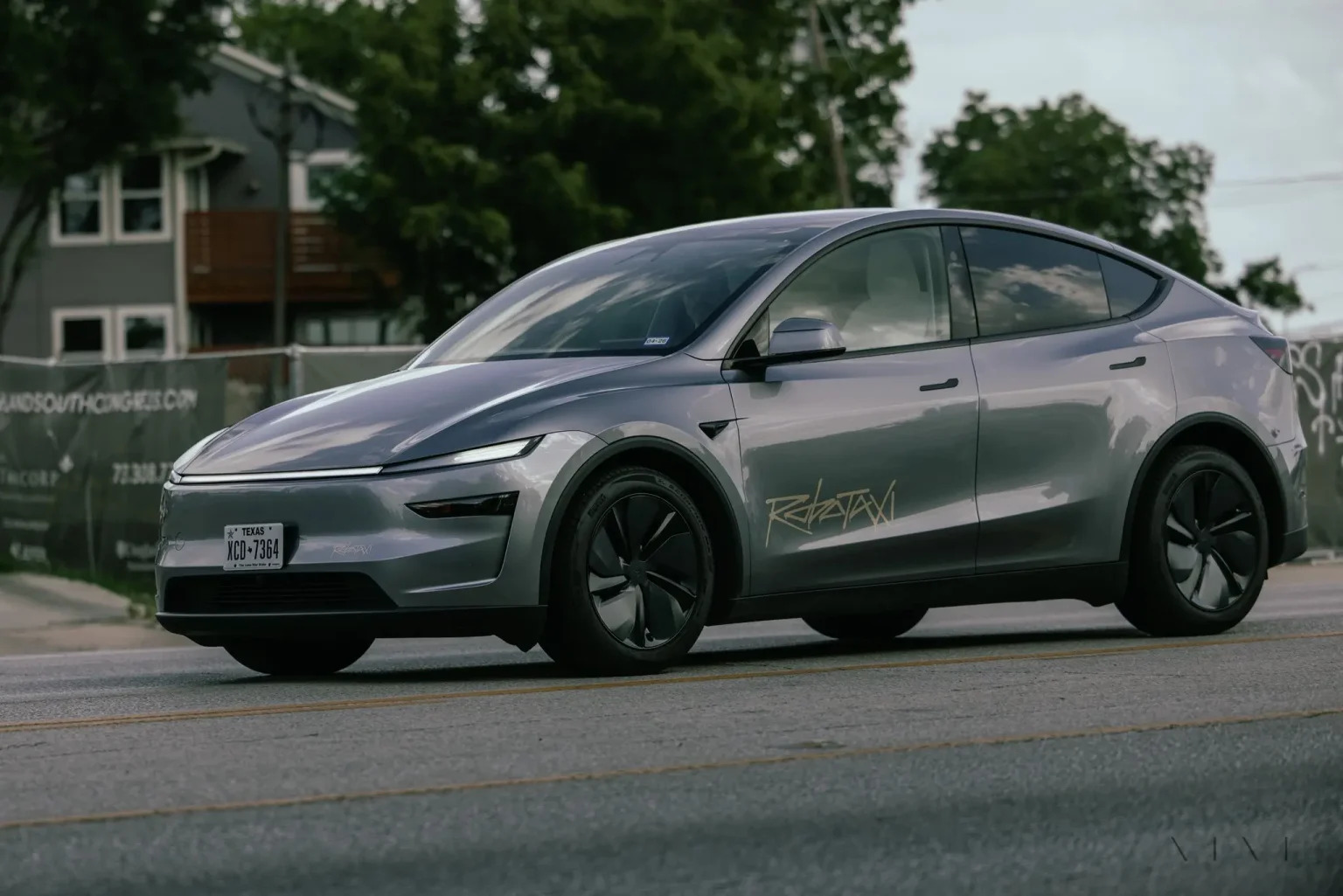
For now, the fleet leans on the Model Y, the vehicle Tesla has used to seed most of its early markets. The purpose-built Cybercab, which has no steering wheel or pedals and is rolling off the line at Gigafactory Texas, is designed to take over the bulk of the work as production scales. The pairing of a dedicated robotaxi vehicle with an expanding software-defined service map is the combination Tesla has been promising investors for years, and the Florida push shows the map filling in quickly.

The timing is deliberate. Tesla reports second-quarter results on Wednesday, and autonomy is the storyline underpinning much of the company's valuation. Adding Tampa and Orlando the day before gives CEO Elon Musk fresh proof points to walk through on the call, and it signals that the company intends to keep widening its footprint rather than sitting on a single flagship market. Teslarati confirmed the expansion in its report on the two-city launch.

A widening lead in the Sunshine State

Florida is fast becoming a showcase for Tesla's driverless ambitions. Three metros in a matter of weeks, all running without in-car supervision, is a pace of geographic expansion few autonomy programs can match, and it dovetails with the robotaxi and autonomy narrative Tesla is carrying into its Q2 report.

With the Cybercab ramping and the software improving on every trip, Tesla appears set to keep lighting up new cities through the back half of 2026. If the cadence holds, the question on future earnings calls may shift from where Robotaxi is running to how fast the fleet behind it can grow.