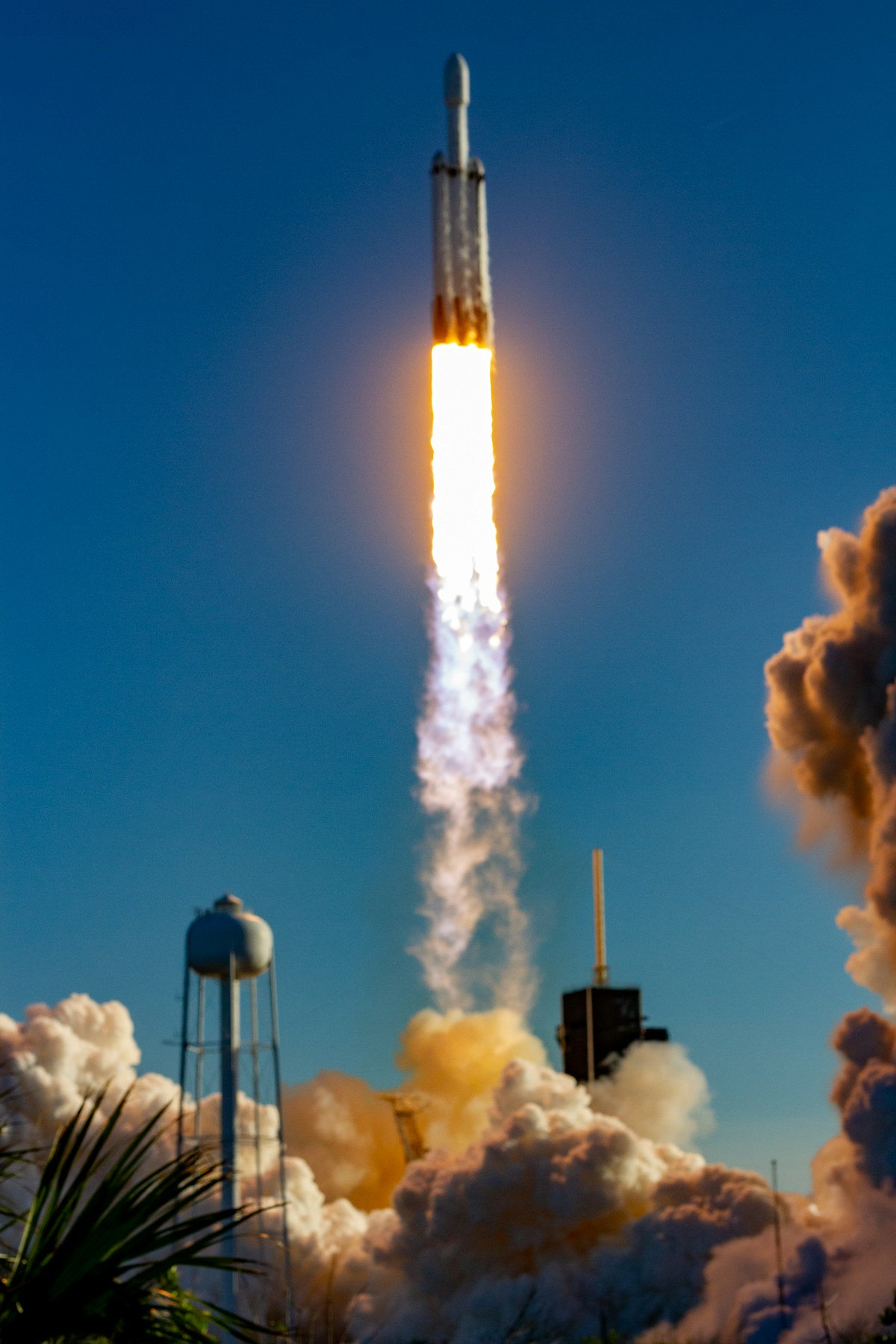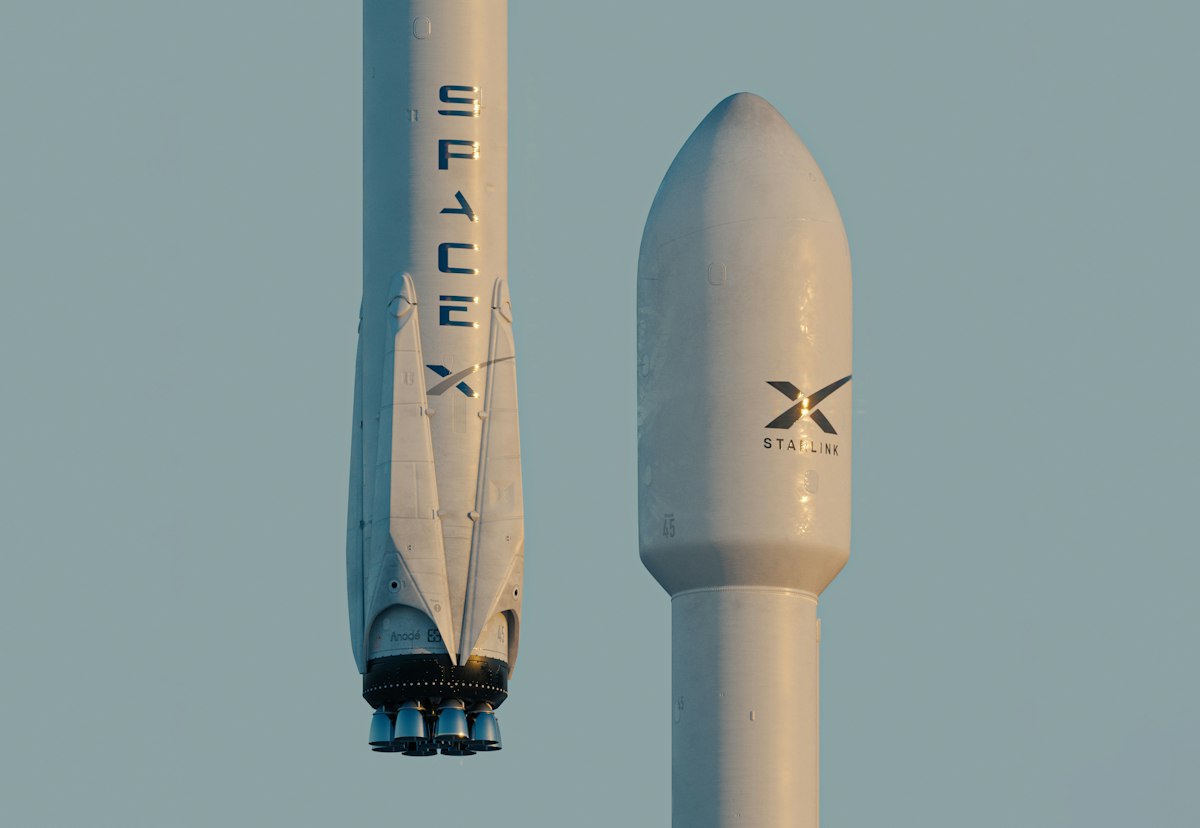
WASHINGTON — Elon Musk is actively discussing the possibility of merging Tesla and SpaceX, according to multiple reports from people familiar with the conversations. The talks are gaining urgency as SpaceX prepares for its landmark IPO, now expected as early as June 12 under the Nasdaq ticker SPCX. A combined entity, at current valuations, would be worth more than $3 trillion — more than any public company in history.
CNBC first reported that Musk has raised the idea of folding the two companies together in discussions with colleagues. Tesla employees say the prospect has been openly discussed internally. The timing is significant: SpaceX's S-1 filing, submitted May 20, describes a company valued at up to $2 trillion, while Tesla currently trades at roughly $1.6 trillion in market capitalization.
The Bull Case for a Combined Musk Empire
The strategic logic is straightforward, even if the execution would be extraordinarily complex. Tesla brings mass manufacturing expertise, a global Supercharger and energy storage network, the world's most advanced consumer autonomous driving system, and the Optimus humanoid robot program now ramping toward production. SpaceX contributes Starlink's satellite broadband constellation — already one of the world's largest internet providers — Falcon 9's reliable launch cadence, and Starship's potential to reshape satellite economics and eventually enable Mars colonization.
Together, the merged company would span electric vehicles, energy storage, humanoid robotics, orbital launch, satellite internet, and AI computing. Wedbush analyst Dan Ives, one of Tesla's most prominent bulls, has placed the odds of a merger at "80 to 90 percent" by early 2027 and argued that combining the two companies' assets could create a technology conglomerate worth well north of $3 trillion.
The Terafab chip manufacturing facility already under construction in Grimes County, Texas — announced jointly by Tesla, SpaceX, and xAI in March 2026 — represents exactly the kind of shared infrastructure that would make a merger operationally cleaner. SpaceX disclosed in a May 6 county hearing that the first phase of Terafab alone will cost $55 billion, with full buildout potentially reaching $119 billion.
Ownership and Voting Math
Any merger discussion must grapple with an unusual ownership dynamic. Musk holds approximately 20% of Tesla's equity but controls 85.1% of SpaceX's voting power through a super-voting Class B share structure. In a merger negotiated between two companies where Musk effectively sits on both sides of the table, the terms would be subject to intense scrutiny from Tesla's independent shareholders and likely from regulators.