Tesla and SpaceX Push TERAFAB, Their In-House AI Chip Plant

On its Q2 call, Tesla detailed progress on TERAFAB, the in-house Austin chip fab it is building with SpaceX to secure logic, memory and packaging for AI vehicles, robots and orbital compute.

3 min read
Tesla and SpaceX Push TERAFAB, Their In-House AI Chip Plant

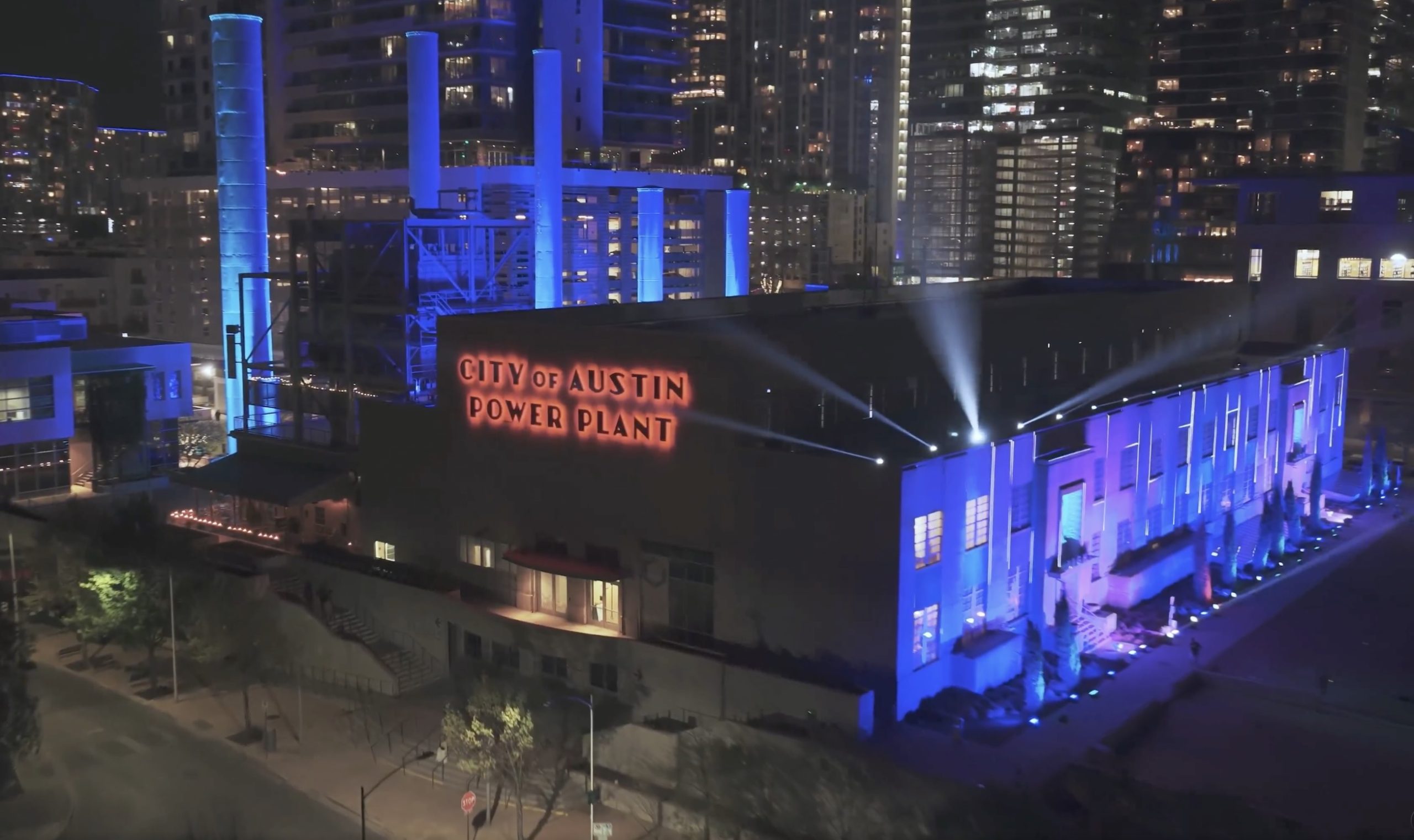
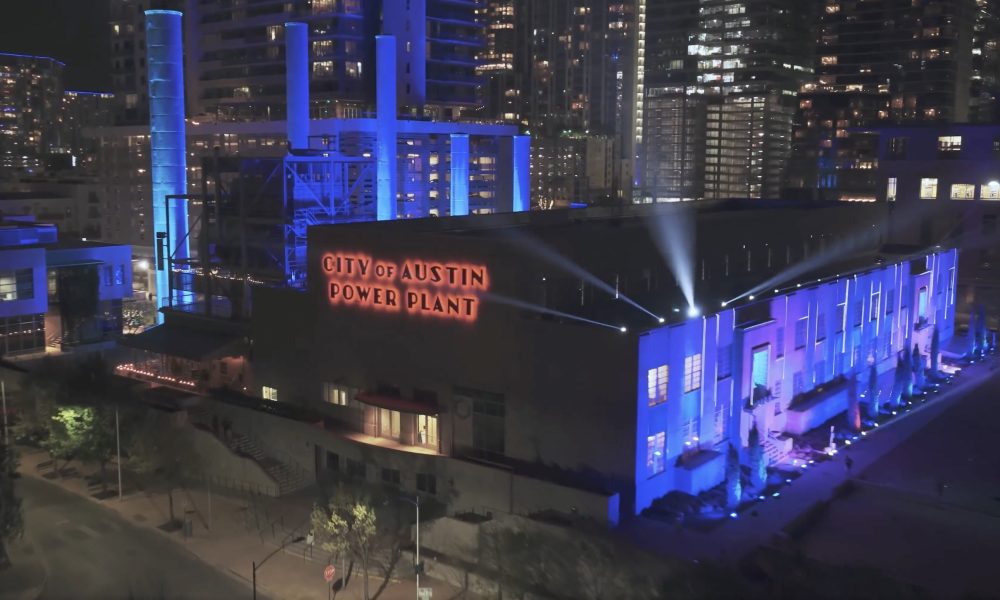
AUSTIN, Texas — Tesla used its July 22 second-quarter earnings call to sharpen one of the most ambitious pieces of its long-term strategy: building its own semiconductors. Executives said work is advancing on a dedicated, in-house chip fabrication plant in Austin, the effort widely known as TERAFAB, that Tesla is pursuing alongside SpaceX.

The message to investors was blunt and confident. Rather than remain dependent on outside foundries as demand for AI compute explodes, Tesla intends to control the full stack, from chip design to memory and advanced packaging.

A Fab Built for the AI Era

Tesla told investors the local fab will enable rapid chip design and production for cyclic testing, letting the company make high-risk, high-payout bets at low volumes in a way outside manufacturers cannot easily accommodate. The plan targets long-term, internal supply chains for specialized, AI-focused logic and memory.

Management framed TERAFAB as an absolute necessity for the logic, memory, and packaging required for AI, whether in vehicles, in training clusters, or in Optimus robots. Tesla said the specific site will get its own launch announcement and event rather than being squeezed into an earnings call, with the location expected to be revealed soon.

The strategy dovetails with Tesla’s broader vertical integration push, which now spans batteries, cells, solar, and chips. That approach is the same one powering the company’s record-setting energy storage business, where owning more of the supply chain has translated into scale and resilience.
Tesla and SpaceX Push TERAFAB, Their In-House AI Chip Plant — additional image

Tesla R&D, SpaceX Production

The venture ties two of Elon Musk’s companies together. Under the framework discussed by leadership, Tesla leads research and development while SpaceX leads production, a division of labor that plays to each company’s strengths. When first unveiled as a roughly $20-25 billion joint effort, TERAFAB was described as consolidating chip design, lithography, fabrication, memory, packaging, and testing under one roof, with a headline goal of one terawatt of AI compute annually.

That output is earmarked for Tesla’s AI inference chips for vehicles and Optimus, as well as chips for SpaceX’s orbital compute ambitions. Tesla has already tied its autonomy roadmap to next-generation silicon, noting that its AI5 chip could enter volume production as soon as next year after the design team exceeded expectations.

Feeding a Growing Compute Appetite

The fab plans arrive as Tesla ramps AI infrastructure across the board, work that also underpins its push toward autonomous Robotaxi operations at scale. By bringing chip production in-house, Tesla is betting it can iterate faster, avoid capacity ceilings at external suppliers, and keep the cost of compute falling as it trains ever-larger models for cars and robots.

If TERAFAB delivers, it would give Tesla and SpaceX a rare degree of control over the most contested resource in technology today, positioning both companies to keep scaling their AI ambitions on their own timeline.