AUSTIN, Texas — Tesla and SpaceX are moving to protect the name of their marquee chip project, asking a federal judge to rule that their planned Terafab semiconductor complex does not infringe the trademark of a small Illinois nanotechnology firm. The declaratory-judgment suit, filed in the U.S. District Court for the Western District of Texas, follows months of private talks that failed to resolve the dispute.
The filing is a proactive step to keep one of the most ambitious industrial projects in the Musk portfolio moving forward on schedule and under the name Tesla and SpaceX have already built recognition around.
How the Dispute Started
The disagreement traces to May 18, when Tesla filed three U.S. trademark applications for "Terafab" and "Tesla Terafab," covering semiconductor chips and related manufacturing services. TERA-print LLC, which has held a federal trademark for "Tera-Fab" since 2021, responded days later with a cease-and-desist letter, arguing the names could confuse customers.
Notably, one day before sending that letter, TERA-print applied to expand its own registration to cover silicon chips, nanoelectronic devices and AI design services — categories it had not previously claimed. Tesla and SpaceX describe that timing as opportunistic in their complaint, pointing out it arrived just after their public Terafab announcement and trademark filings.
A $16.8 Billion Bet on In-House Silicon
Rather than wait to be sued, Tesla, SpaceX and affiliate SpaceXAI met with TERA-print six times between June and August to settle the matter directly. When those talks collapsed, the companies asked the court to confirm no infringement exists before any claim could be filed against them.
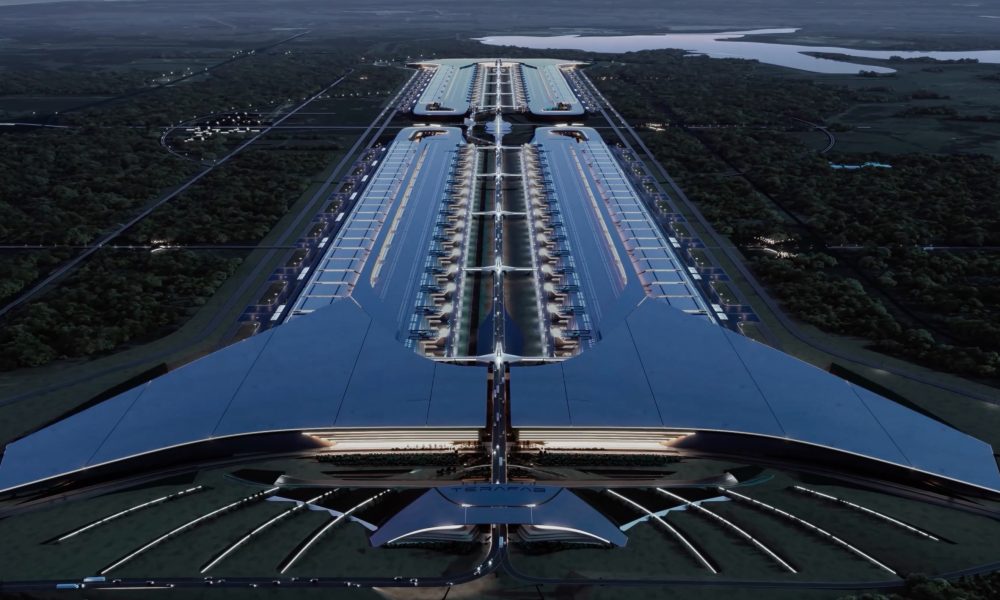
Tesla and SpaceX argue the overlap is superficial. Terafab is planned as a roughly $16.8 billion complex spanning about 100 million square feet, built to produce chips for Optimus robots, Tesla's AI computing needs and SpaceX's orbital data-center ambitions — a scale and purpose, they say, that no reasonable customer would confuse with a tabletop laboratory printer sold to researchers.
Why It Matters
Securing the Terafab name cleanly is about more than branding. The facility is central to Musk's strategy of vertical integration, pulling advanced chip production in-house to feed Tesla's AI, robotics and energy roadmaps alongside SpaceX's growing compute demands. Owning the silicon supply chain would insulate both companies from the shortages and bottlenecks that have tripped up rivals.
By filing first, Tesla and SpaceX are signaling confidence in their legal position and a determination to keep the project on track. As Reuters reported, the case now rests with a federal judge in Austin. Whatever the outcome on the name, the far bigger story is the factory itself — a bet that building its own chips will give the Musk empire a durable edge in the AI era.