Live Robotaxi Rollout2,201Tesla
robotaxis
  • Bay Area, CA1,655 Model YsSafety driver
  • Texas546 (126 Cybercab · 420 Model Y)Driverless
  • Miami, FLModel Y fleet · count not disclosedDriverless
  • Orlando, FLModel Y fleet · count not disclosedDriverless
  • Tampa, FLModel Y fleet · count not disclosedDriverless
  • Las Vegas, NVPermit for up to 5,000 robotaxisApproved
  • Phoenix, AZLaunch preparations under wayComing soon

Tesla, Sunrun Send Record 580 MW to California Grid

Tesla and Sunrun dispatched a record 580 MW from more than 140,000 home batteries to California's grid during a heat wave — the largest residential virtual power plant event ever.

3 min read
Tesla, Sunrun Send Record 580 MW to California Grid

AUSTIN, Texas — Tesla's home battery fleet just proved it can go toe-to-toe with a power plant. On the evening of September 9, Tesla and solar partner Sunrun dispatched a record 580 megawatts of electricity from more than 140,000 home batteries onto California's grid during a punishing heat wave — the largest residential distributed power plant event ever recorded.

How the record came together

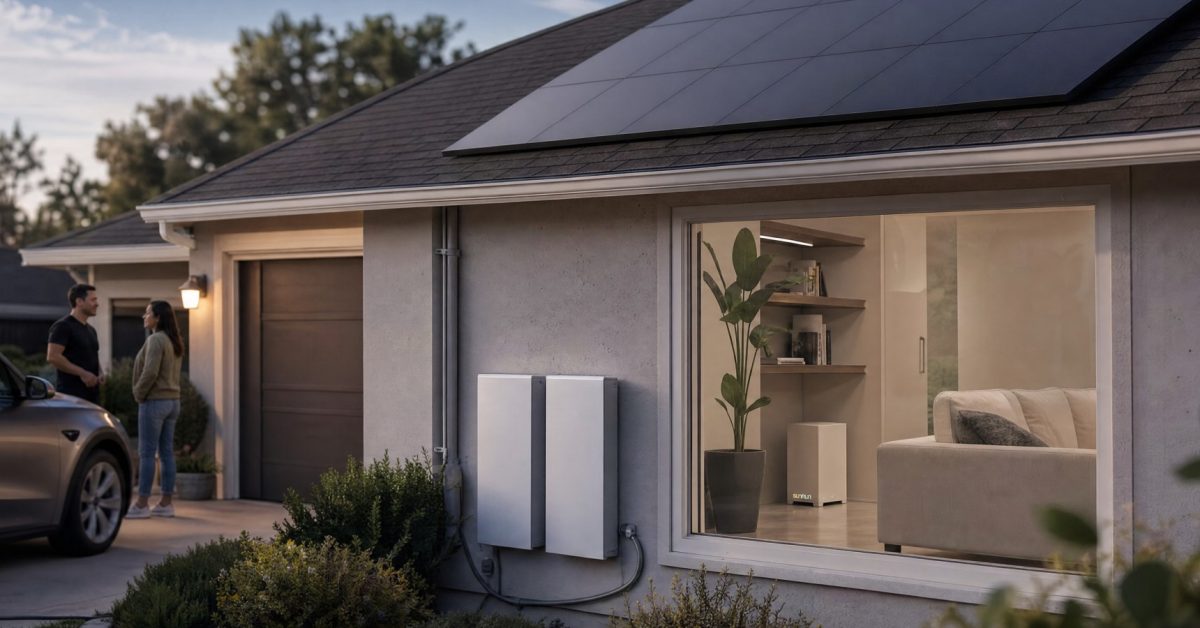
Of the 140,000-plus batteries in the pool, roughly 110,000 were Tesla Powerwalls, which delivered 517 MW on their own. Another 30,000-plus batteries in Sunrun's fleet added the remaining 63 MW. Together, that output was enough to power every household in California's Sacramento County during peak hours — all from hardware already sitting quietly in people's garages.

The dispatch ran for a three-hour evening window when air-conditioning demand was straining the grid. It was coordinated through two state programs: the California Energy Commission's Demand Side Grid Support program and the Public Utilities Commission's Emergency Load Reduction Program, which called on the batteries as wholesale prices spiked past $200 per megawatt-hour. Electrek reported that the event didn't stop there: the following evening, Sunrun and Tesla dispatched another 140-plus MW at Southern California Edison's request.

A power plant with no smokestack

"Sunrun's distributed home batteries are operating at a scale larger than many peaker power plants combined," said Sunrun CEO Mary Powell. She's not exaggerating — a typical natural gas peaker plant runs in the 50-to-250 MW range, meaning this single virtual power plant outmuscled several of them at once, without burning a drop of fuel or occupying an acre of land.

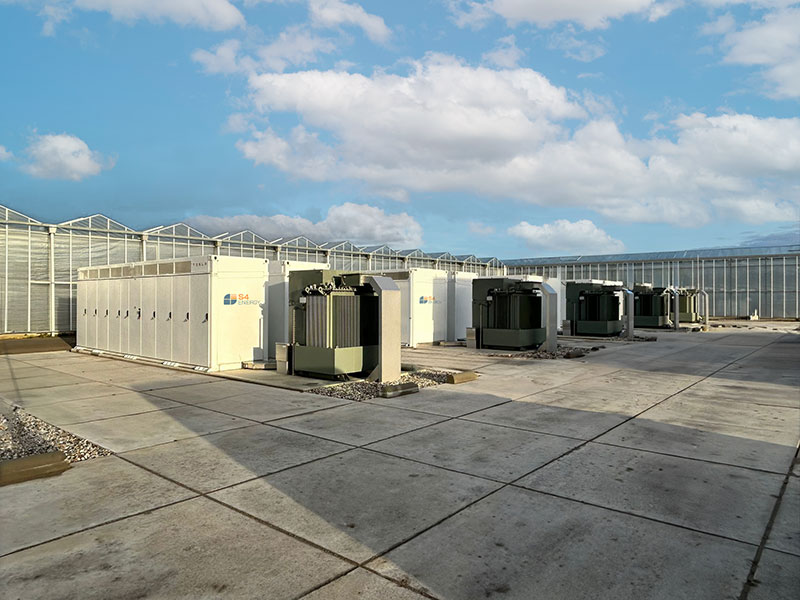
Tesla, Sunrun Send Record 580 MW to California Grid — additional image

The milestone builds directly on Tesla's years-long push to turn individual Powerwalls into coordinated grid assets. It also complements the company's utility-scale storage business, which recently powered Australia's first eight-hour grid battery with 144 Tesla Megapacks. From residential garages to utility substations, Tesla Energy is increasingly the connective tissue of a cleaner, more resilient grid.

Why it matters

Distributed batteries solve a problem utilities have thrown billions at: peak demand that lasts only a few hours on a handful of days each year. Instead of building or firing up plants that sit idle the rest of the time, a fleet of home batteries covers the same spike instantly — and pays homeowners for the power they share. A Brattle Group report cited by Sunrun projects up to $206 million in net savings for Californians by 2028 from this kind of dispatch.

The homeowners taking part earn direct compensation, the grid gains breathing room, and ratepayers avoid the cost of new peaker plants. It is a virtuous cycle that also reinforces the value of Tesla's broader energy and charging infrastructure buildout across key markets. With 580 MW now on the board — and the potential for more than 720 MW had the two nights coincided — Tesla and Sunrun have delivered a hard-to-argue proof point for the distributed energy future.