Musk Sketches an 'Age of Abundance' in Economist Interview

In a wide-ranging Economist interview, Elon Musk laid out a vision of AI and humanoid robots driving a "quasi-infinite economy" within a decade.

3 min read
Musk Sketches an 'Age of Abundance' in Economist Interview

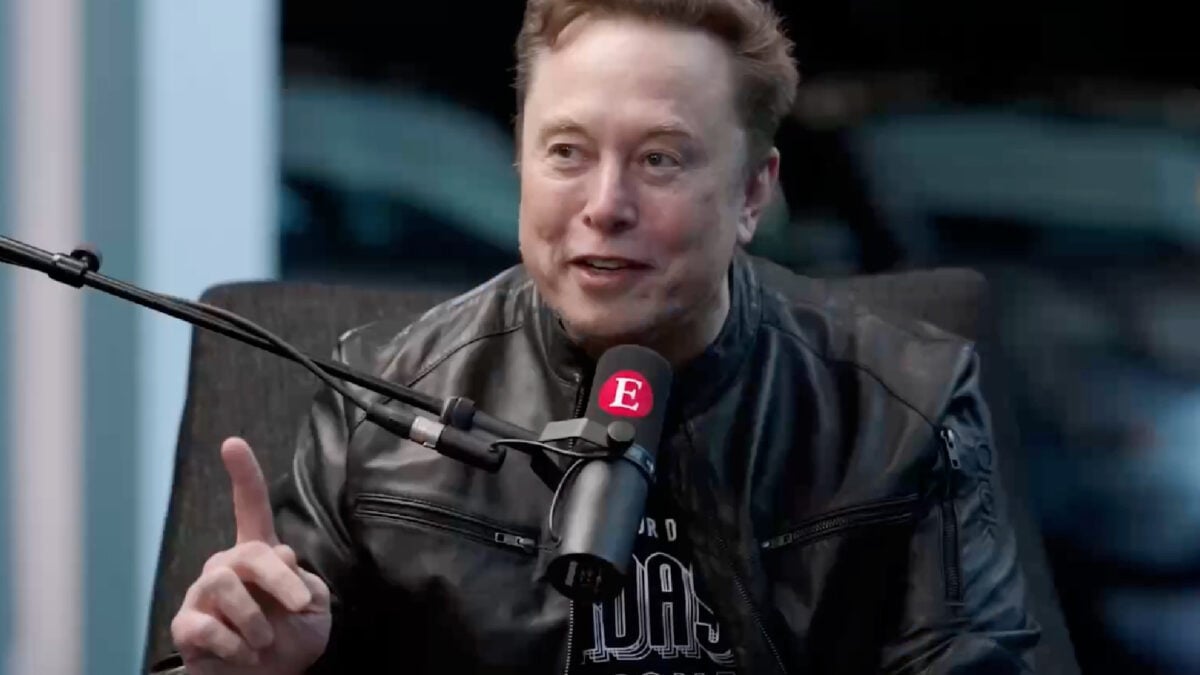
AUSTIN, Texas — Elon Musk used a wide-ranging interview with The Economist to lay out his most expansive case yet for where artificial intelligence and robotics are heading: an "age of amazing abundance" in which intelligent machines produce goods and services at a scale that reshapes the economy itself. The taped conversation, released July 23, put Musk's long-term optimism front and center.

The core thesis

Musk argued that AI will exceed human intelligence within about five years and that, paired with vast numbers of humanoid robots, it will create what he called a "quasi-infinite economy." In his framing, digital intelligence handles cognition while robots act as the "end effectors" that carry that intelligence into the physical world, building, making and delivering at a scale no human workforce could match.

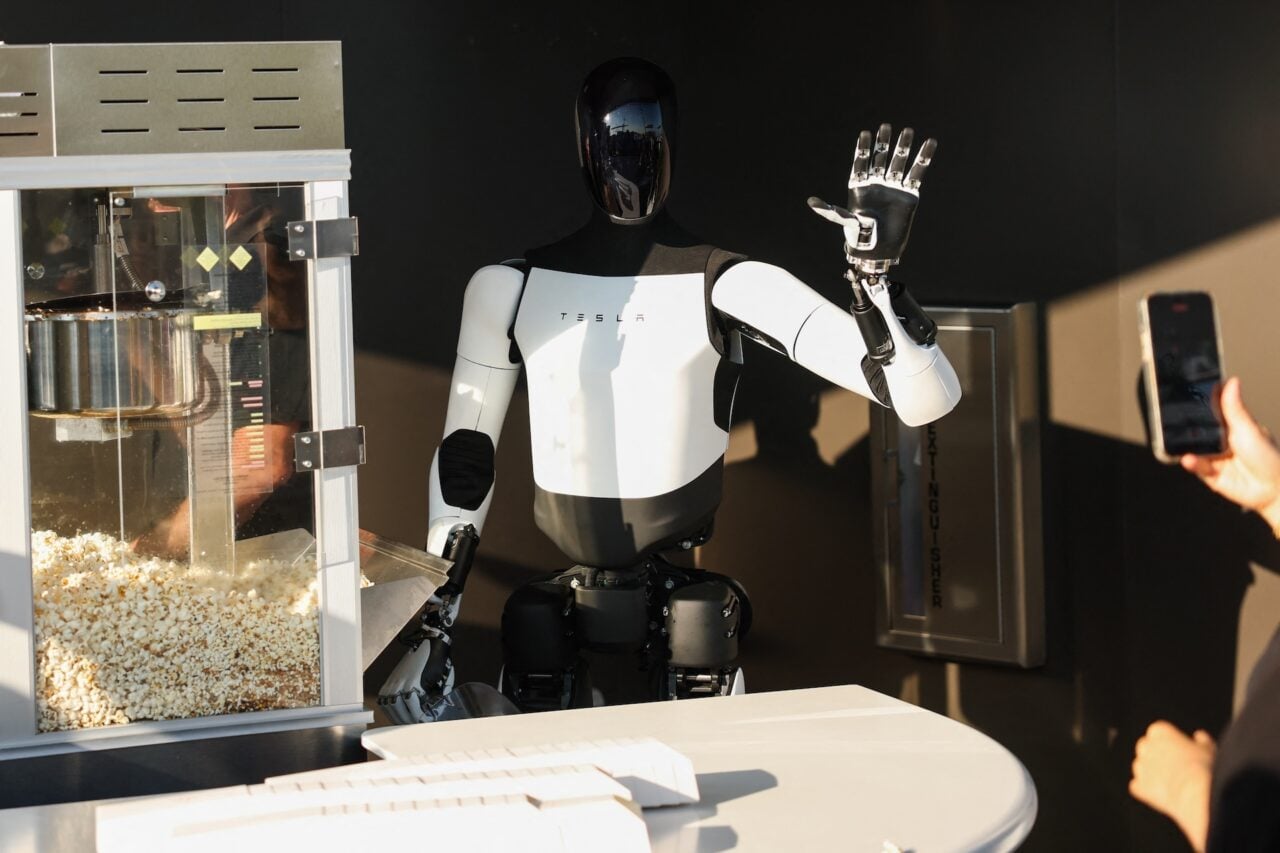
It is a vision Musk has been building toward across his companies for years, and it maps directly onto Tesla's own robotics push. The automaker has been standing up the training infrastructure to make it real, including an Optimus Academy to train robots at scale at its Fremont facilities.

Compute as the foundation

Behind the sweeping rhetoric sits a concrete bet on compute. Musk's thesis only works if AI models keep getting more capable, which requires enormous training capacity, an area where Tesla has been investing aggressively. The company recently doubled its AI training power with the Cortex 2 supercluster, the kind of infrastructure that underpins both self-driving and the intelligence destined for Optimus.
Musk Sketches an 'Age of Abundance' in Economist Interview — additional image

Musk acknowledged the path is not risk-free, noting the probability of AI going wrong is "not zero," but he framed the most likely outcome as broad prosperity. He pointed to science-fiction visions of post-scarcity societies as a rough guide for a future in which abundance, rather than competition over limited resources, defines daily life.

Why it matters for Tesla

For investors, the interview is a reminder that Musk continues to position Tesla as an AI and robotics company as much as an automaker. Optimus, in his telling, is not a side project but a central pillar of that abundance thesis, the physical vehicle through which digital intelligence reshapes manufacturing, logistics and services.

The near-term proof points are already accumulating, from a rapidly scaling robotaxi fleet to Optimus units training for factory work. Musk's remarks, and the reaction to them, were summarized in CNBC's report on the interview.

Whatever timeline one accepts, Musk's message was consistent: the combination of superintelligent software and general-purpose robots is coming fast, and the companies that build both, he argues, will define the decade ahead. Tesla, with its compute buildout and its humanoid program, intends to be at the center of it.