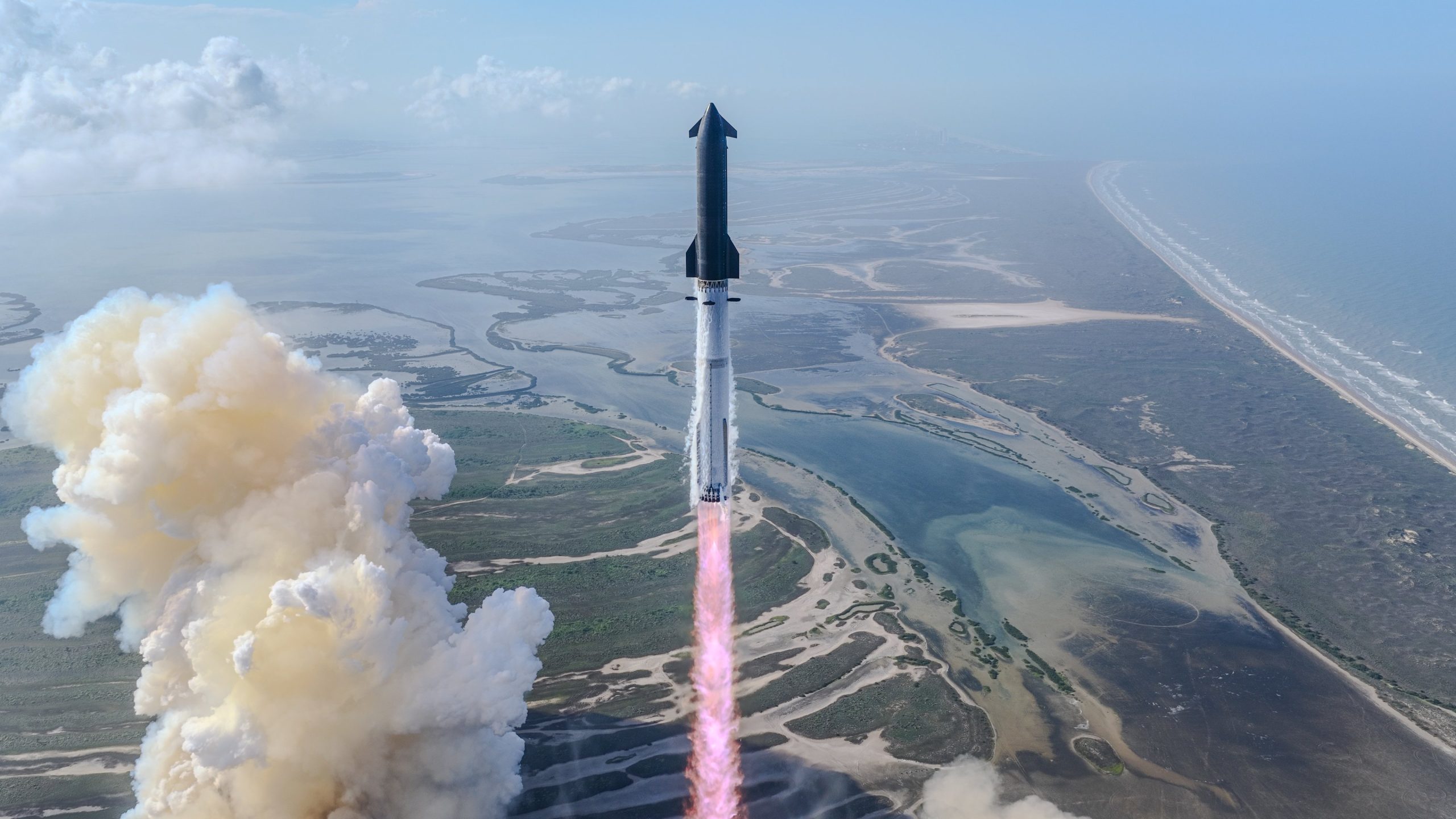
BOCA CHICA, Texas — Elon Musk has put a fresh timeline on humanity's first steps on Mars, saying people could be walking on the Red Planet in roughly five to seven years, with an uncrewed Starship lander arriving a few years ahead of that.
Musk shared the updated schedule in a July 29 post on X, writing "People on Mars in roughly 5 to 7 years" and adding that a "Mars lander a few years sooner." The comments arrive at a moment of real momentum for SpaceX, coming just days after Starship completed one of its most successful test flights yet.
A Goal Decades in the Making
Making life multiplanetary has been Musk's driving ambition since he founded SpaceX, and Mars has always been the destination that defines the company's ultimate purpose. The updated window reflects both the progress of the Starship program and the reality that these timelines have shifted before, a fact Musk himself has never hidden.
What is different now is the hardware. Starship V3, the fully reusable, roughly 400-foot vehicle designed to carry more than 100 tons to low Earth orbit, is flying and iterating rapidly. Each flight brings SpaceX closer to demonstrating the two capabilities a Mars mission demands above all: full reusability and in-orbit refueling.
The Technical Path
Reaching Mars with meaningful payload requires refueling a Starship in orbit before it departs, a maneuver that calls for a series of tanker flights to fill a propellant depot in low Earth orbit. That capability has never been demonstrated at scale, which is why every Starship flight that nails engine relights and controlled reentry matters so much.
SpaceX is also planning its next major milestone, an attempt to catch Starship with the launch tower's mechanical arms on Flight 14. Musk noted the most recent ship landing was precise enough that it could have been caught by the tower, a strong signal that rapid reusability is within reach.
Moon First, Then Mars
The updated timeline came in response to NASA Administrator Jared Isaacman, who has said SpaceX's nearest-term priority is the Moon, where Starship is central to NASA's Artemis lunar landing plans. Musk's Mars projection, detailed in Teslarati's coverage of his remarks, is characteristically more aggressive than the government's, but the two goals reinforce each other: the same reusable, refuelable Starship that supplies a lunar base is the vehicle that carries the first crews to Mars.
Whether the first bootprints land in five years or somewhat later, the trajectory is unmistakable. With Starship flying real payloads, sticking precise landings, and closing in on a tower catch, SpaceX is turning a decades-old dream into an engineering schedule, one test flight at a time.