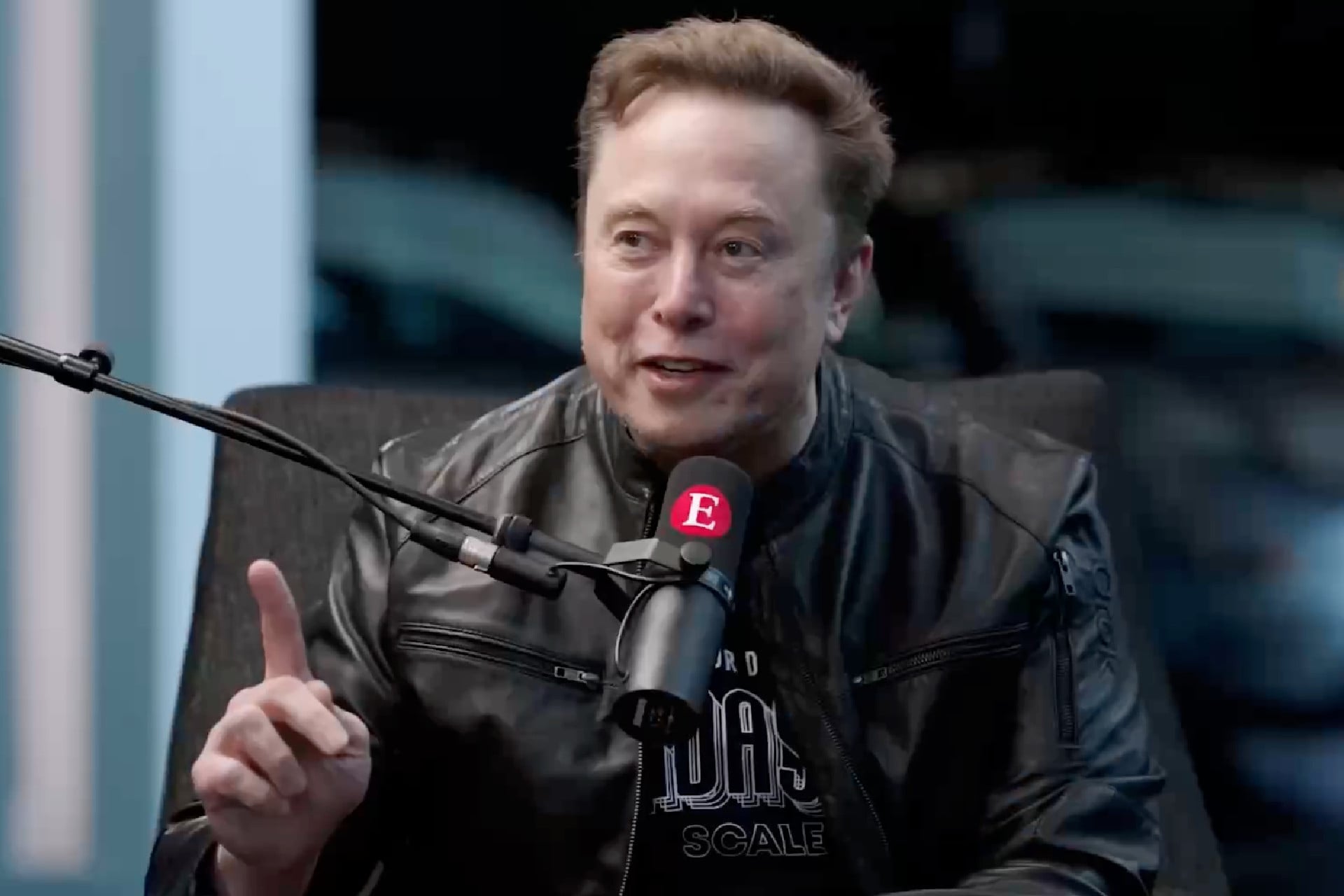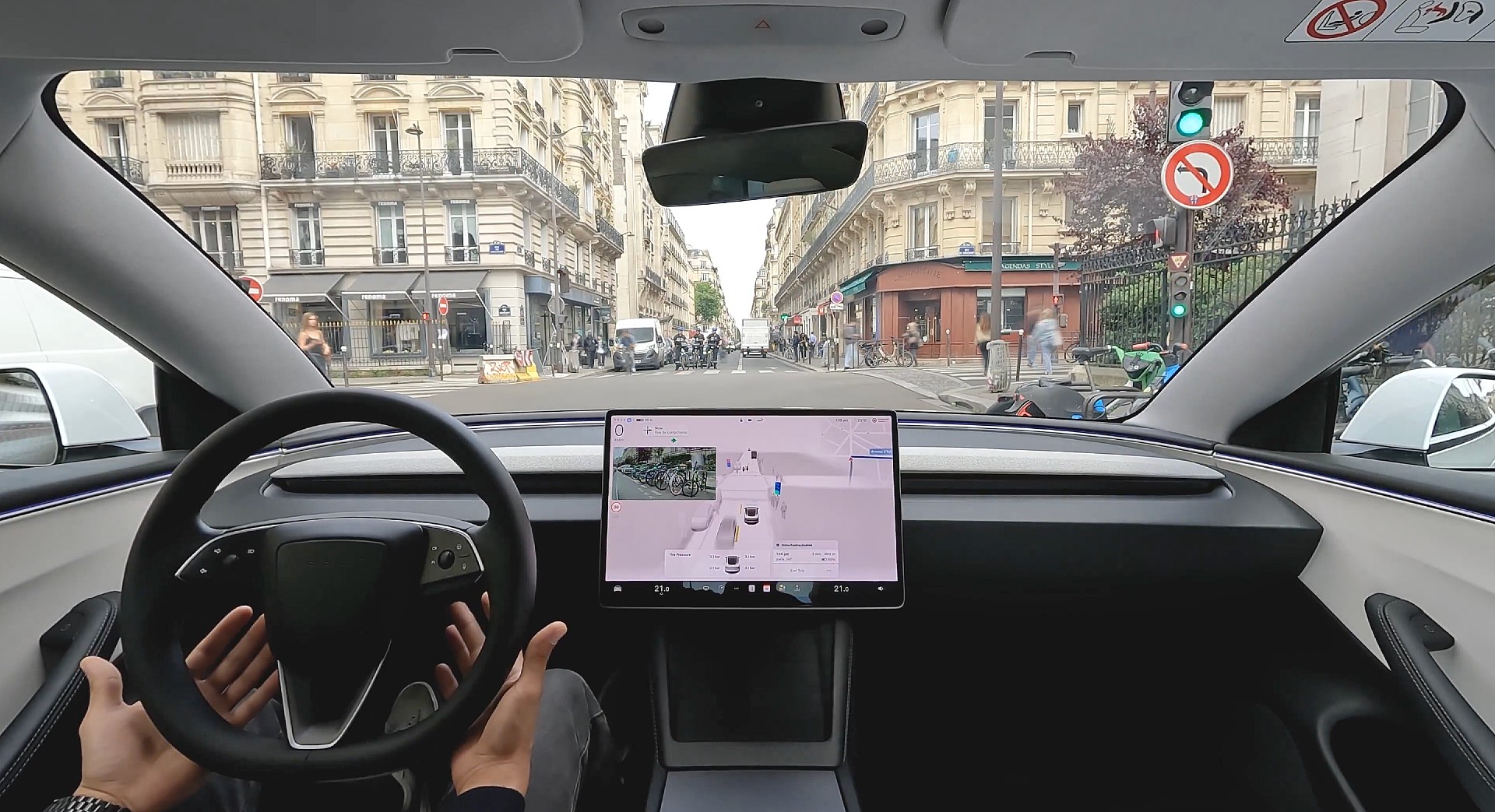
AUSTIN, Texas — Elon Musk is publicly challenging France's decision to withhold approval of Tesla's Full Self-Driving (Supervised) system, arguing that regulatory delay carries a human cost. "Delaying the approval of FSD in France will cost lives," the Tesla CEO posted after French Transport Minister Philippe Tabarot said the software's safety trade-offs were "not yet sufficient to authorize it as it currently stands."
The data behind Musk's case
Musk's pushback rests on numbers Tesla publishes regularly. In the most recent 12-month period, vehicles using FSD (Supervised) recorded one major collision per roughly 5.1 million miles driven, compared with a U.S. national average of one crash per about 698,000 miles. Even Teslas driven manually with active safety features beat the average by a wide margin. Those figures draw on billions of real-world telemetry miles, a dataset no other automaker can match, and one that keeps growing as FSD subscriptions climb past 1.48 million.
Tabarot's stated concerns center on speed behavior when surrounding traffic exceeds limits and driver-attention guarantees in complex urban maneuvers. France says it will continue technical discussions with Tesla, the Netherlands and other European partners, with further meetings planned for the fall.
Europe is moving — with or without Paris
The irony of the French position is that much of Europe is already on board. Following the Netherlands' first-ever European deployment authorization, Tesla has secured additional approvals in Lithuania, Estonia, Denmark and Belgium, and cumulative FSD mileage in Europe has passed 50 million kilometers. Each new approval adds pressure for harmonization, and each safe kilometer strengthens Tesla's argument.