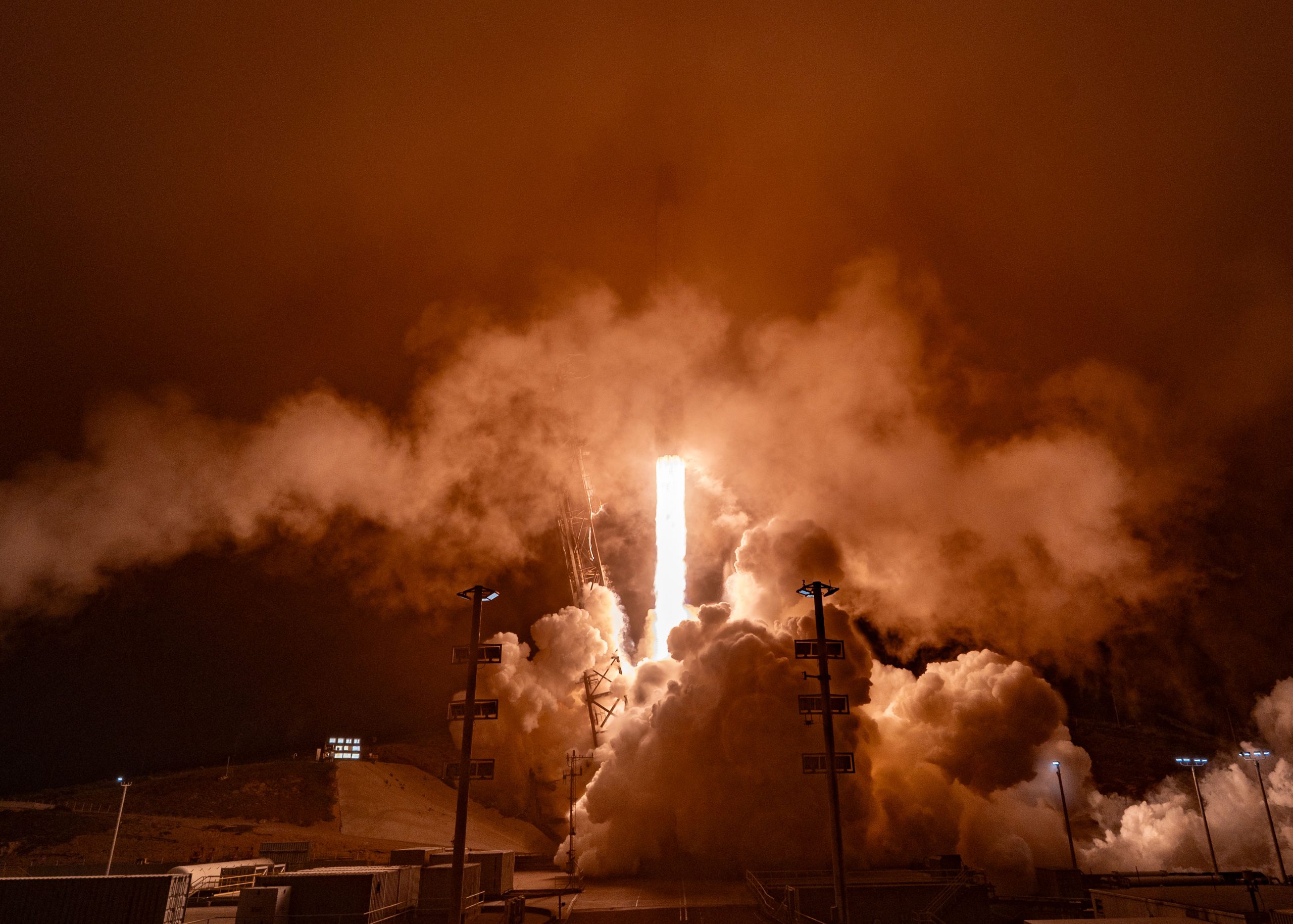
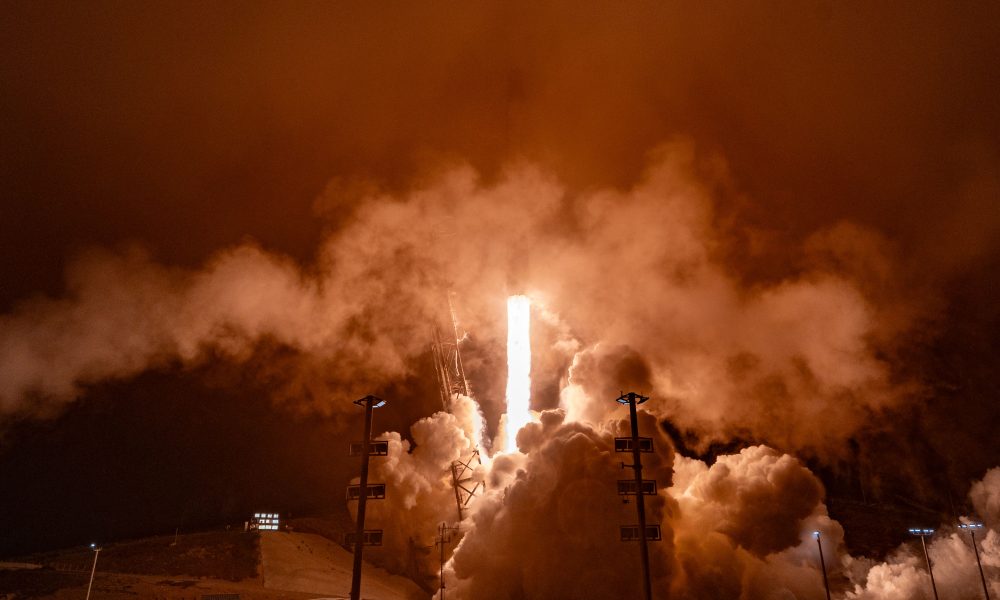
HAWTHORNE, Calif. — SpaceX has pushed its Starlink constellation past another landmark, placing its 11,000th satellite into low Earth orbit during a predawn Falcon 9 launch from California.
The milestone came on the Starlink Group 17-50 mission, which lifted off August 19 at 04:01 UTC from Space Launch Complex 4 East at Vandenberg Space Force Base. The rocket carried 24 Starlink V2 Mini satellites and deployed them roughly an hour after liftoff, adding to a network that already dwarfs every other satellite fleet in history.
A Rapid Climb to 11,000
Starlink began modestly, with the Tintin A and B test satellites launching in February 2018 and the first operational batch of 60 following in May 2019. Just over seven years later, tracking data shows more than 11,000 Starlink spacecraft now circling the planet, a pace of deployment no other operator has come close to matching. The launch continued the cadence highlighted by SpaceX's 100th mission of the year.
The workhorse behind the milestone was booster B1097, flying for the 12th time and landing cleanly on the droneship Of Course I Still Love You in the Pacific. Reusable Falcon 9 boosters like it have let SpaceX launch batches of 20 to 30 satellites at a time, again and again, driving the constellation's explosive growth while keeping costs down.
Powering a Global Network
The scale of Starlink now translates into real reach. The service connects millions of users across more than 160 countries and underpins residential internet, maritime and aviation connectivity, and emergency communications when terrestrial networks fail. That footprint keeps expanding as SpaceX signs new partners, including deals to put Starlink Wi-Fi on hundreds of airliners.
SpaceX manages the constellation actively, deorbiting older units as designed to limit space debris while replacing them with newer hardware. By mid-2026 the company had launched more than 12,000 satellites across all versions, with just over 11,000 currently operational in orbit.
The Next Generation
The company is not slowing down. SpaceX is preparing larger V3 satellites that promise far higher throughput, a leap that depends on the payload capacity of the Starship vehicle now in testing. In July, SpaceX asked the Federal Communications Commission for authority to build a Gen3 constellation of up to 100,000 satellites operating in very low orbits near 325 and 475 kilometers.
That expanded system, SpaceX says, aims to deliver multi-gigabit, symmetrical broadband to consumers, enterprises, governments, and billions of AI-connected devices, potentially carrying a majority of the world's internet traffic. Reaching 11,000 satellites is a milestone worth marking, but for SpaceX it reads more like a waypoint on the road to a far larger network in the sky. The launch details were reported by Teslarati.