
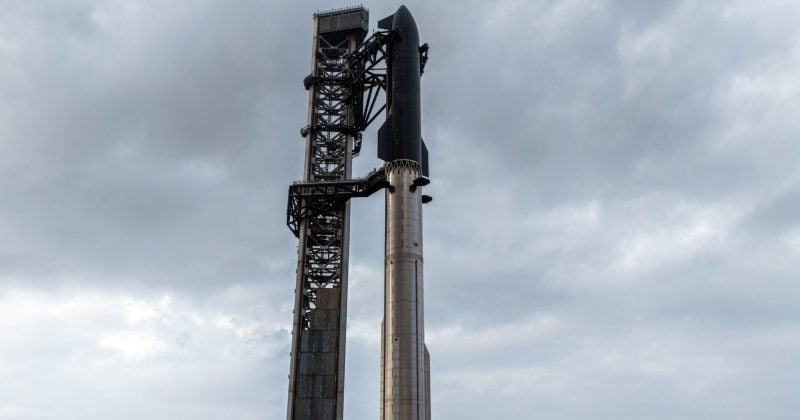
HAWTHORNE, Calif. — SpaceX has stopped accepting new dedicated Falcon 9 launch bookings for missions beyond 2028, a striking signal of how completely the company is committing to Starship as the backbone of its future. The shift, reported this week, reflects a manifest that is nearly full and a strategic decision to pour engineering muscle into the next-generation vehicle.
A full manifest and a bigger plan
Falcon 9 is the most prolific rocket in history, and its remaining schedule is booked to near capacity. A substantial share of that availability has been reserved for SpaceX's own projects, including an ambitious orbital AI data-center initiative that ties directly to the company's growing compute business. SpaceX has also paused future reservations for its Transporter and Bandwagon rideshare programs for dates stretching past late 2028.
Rather than a retreat, the move reads as confidence. SpaceX is betting that Starship will scale its commercial cadence quickly enough to absorb demand, freeing Falcon 9 for high-priority government and internal flights in the meantime. The company has increasingly framed its rockets as the on-ramp for a much larger ambition, from Mars logistics to the compute infrastructure it is building in orbit.
Why now
The timing lines up with rapid Starship progress. The vehicle just deployed its first production V3 Starlink satellites on Flight 13, an important milestone toward the operational reusability that would make Falcon 9's workhorse role redundant. Each successful test tightens the case that Starship can carry the payload volume Falcon 9 handles today, and far more per launch.


