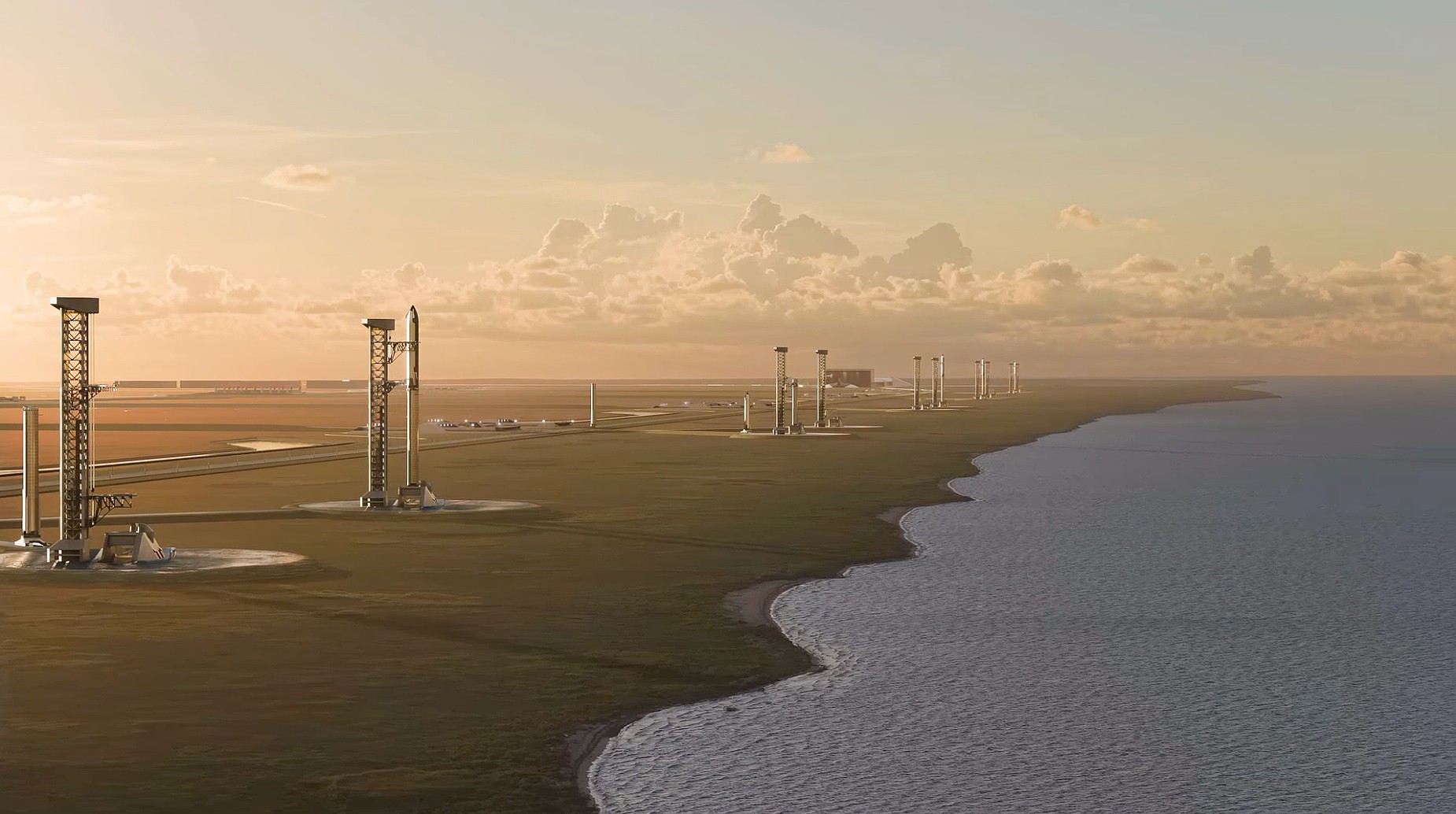
HAWTHORNE, Calif. — SpaceX is planting a second flag on the Gulf Coast. The company announced Starbase, Louisiana, a sprawling $100 billion launch and manufacturing complex in Vermilion Parish built to send its Starship rocket to orbit thousands of times a year, with the first flight targeted for 2029.
The scale of the plan is enormous even by SpaceX standards. The site is designed around five complexes with two Starship towers each — ten launch pads in all, every one paired with its own propellant farm. CEO Elon Musk framed the ambition plainly, writing that "Starbase Louisiana will ultimately have over a dozen launch towers, enabling more than 30 Starship flights per day and making it the biggest launch site on Earth."
A New Gulf Coast Launch Capital
Announced in partnership with the Louisiana Economic Development Office, the project is as much an economic story as a spaceflight one. SpaceX expects to create more than 3,000 jobs in the region and invest at least $100 billion over the life of the facility, an infusion that instantly makes it one of the largest private investments in the state's history.
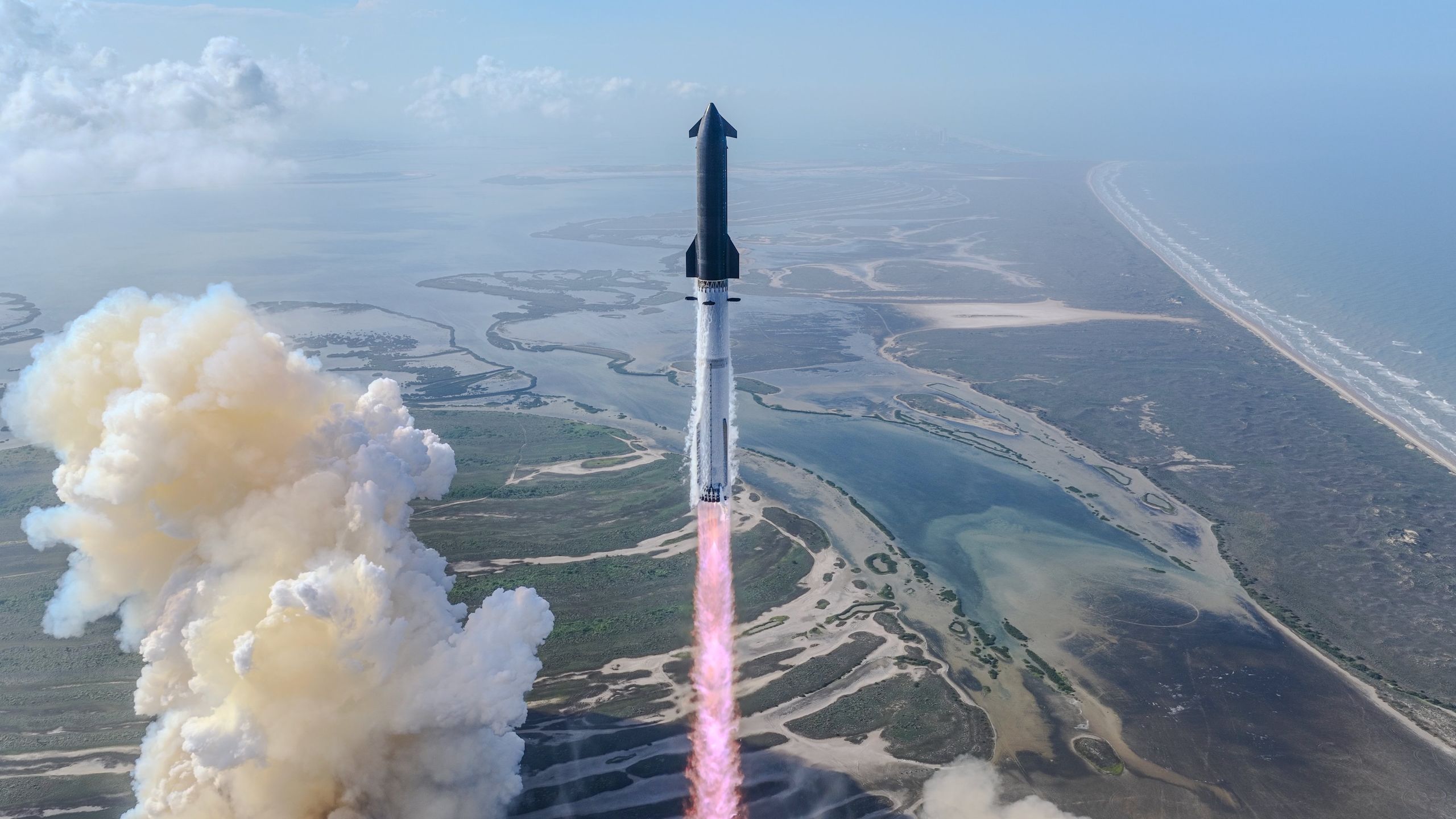
The Louisiana buildout dovetails with SpaceX's broader push to turn Starship into a high-cadence workhorse. The company has already laid out an industrial roadmap to mass-produce the vehicle, including its plan to build up to 1,000 Starships a year inside its Gigabay facility. A second coastal spaceport gives all of those rockets somewhere to fly from.
Built for Cadence, Backed by Policy
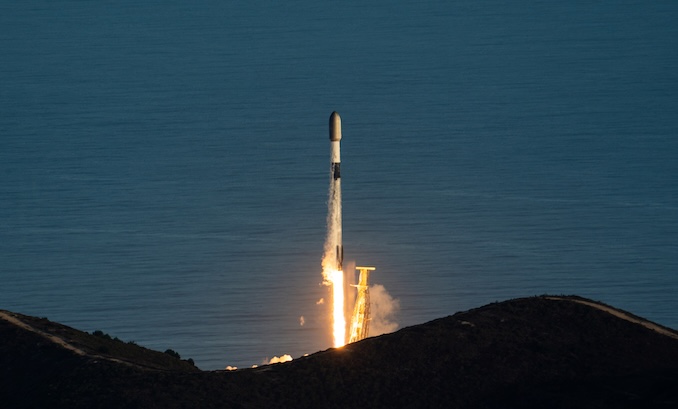
Construction is slated to begin next year. The timing lines up with a national push for far higher launch rates, including the Trump administration's new policy targeting 1,000 U.S. launches a year, which directs agencies to speed permitting and open new launch sites. Starbase, Louisiana, reads like SpaceX's answer to that call: infrastructure sized not for today's handful of test flights but for a future measured in flights per day.
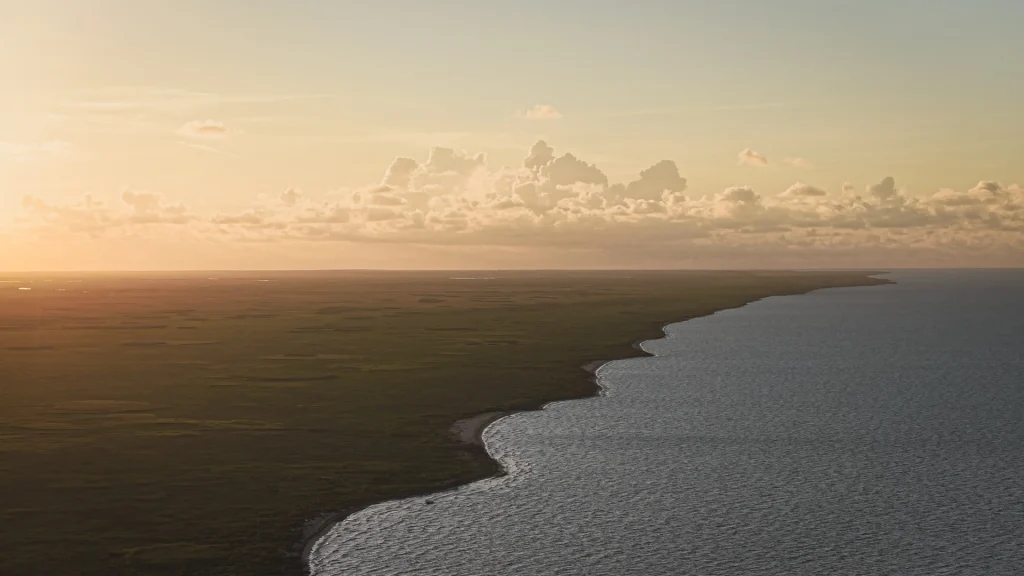
SpaceX also used the announcement to get ahead of environmental questions. The company said it will not develop the full footprint of the land and pledged to partner with state and federal agencies on shoreline protection, marsh restoration and wildlife monitoring across Vermilion Parish, where erosion has been eating away between 3.3 and 23 feet of coast each year. The plan calls for Gulf breakwaters, thousands of acres of new marsh and continued support for the hunting, fishing and birding that define the coast's culture.
Why It Matters
For a company whose entire thesis rests on making spaceflight routine, geography is destiny. Texas gave SpaceX its first Starbase and its first orbital-class hardware; Louisiana is meant to multiply that capacity many times over. Investors read the news as a positive, with SpaceX shares climbing about 2.5% after the announcement, as detailed in Teslarati's report on the new spaceport.
The first Louisiana launch is still three years out, and towers, pads and propellant farms have to rise before a single Starship stacks on the coast. But the message is unmistakable. SpaceX is no longer building a launch site — it is building a launch industry, and it just picked the ground where much of the next decade of Starship flights will begin.