Musk Confirms 'Starmind' as SpaceX's Orbital AI Constellation

Elon Musk confirmed Starmind as the name of SpaceX's planned constellation of AI compute satellites, designed to run inference in orbit at scale.

3 min read
Musk Confirms 'Starmind' as SpaceX's Orbital AI Constellation

HAWTHORNE, Calif. — SpaceX has a name for its boldest bet yet on artificial intelligence. Elon Musk confirmed that "Starmind" will be the official name of the company's planned constellation of AI compute satellites, following a trademark filing that surfaced this week and a regulatory description envisioning up to one million orbiting nodes.

Starmind shares the same orbital DNA as Starlink, but the two systems serve very different purposes. Where Starlink moves data between points on Earth like a high-speed pipe in the sky, a Starmind satellite is effectively a server, processing information directly in orbit using onboard processors powered by large solar arrays.

A Data Center That Never Touches the Ground

The practical implication is profound. Starmind would let AI models run inference, process queries, and generate outputs in space, then beam the results down to users anywhere on Earth within milliseconds, without the data ever traveling to a terrestrial data center. It is the logical extension of the compute ambitions behind SpaceX's recent infrastructure deals, including the agreement described in our report on the third Colossus compute deal with Reflection AI.

SpaceX is pursuing the idea because terrestrial data centers are running into hard physical limits: scarce land, community opposition, and enormous power and water demands that are increasingly difficult to permit. Space, by contrast, offers effectively unlimited solar power, natural vacuum cooling, and no zoning boards.

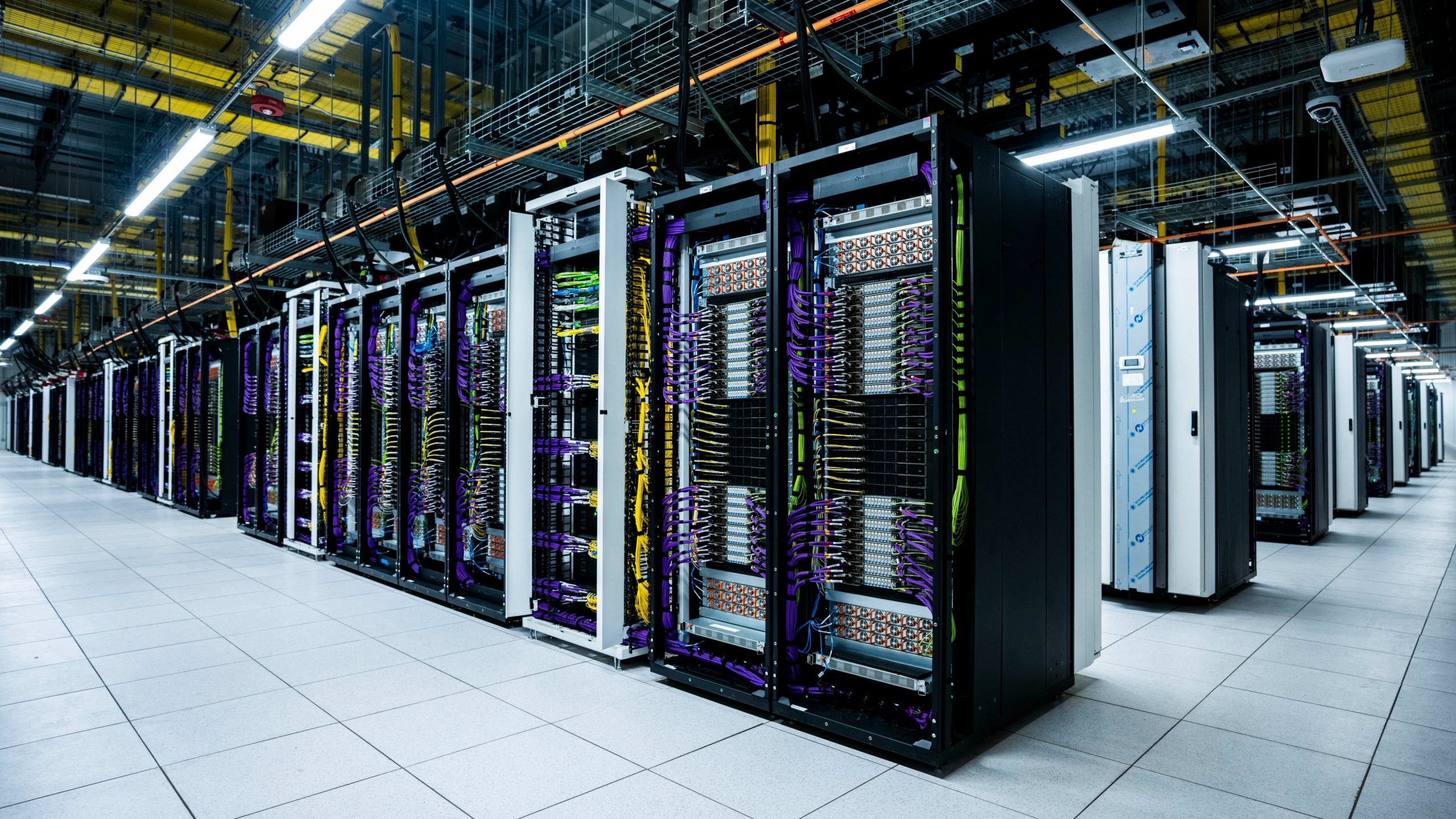
Musk Confirms 'Starmind' as SpaceX's Orbital AI Constellation — additional image

Built on Starship Economics

The constellation's scale depends on Starship. SpaceX says each launch will be able to carry 30 to 50 of its AI1 satellites, delivering the equivalent of dozens of server racks per flight with no land acquisition, power-grid approval, or ground cooling required. As Teslarati reported, Musk expects space to become the lowest-cost place to deploy AI compute within two to three years, with two AI1 prototypes slated to launch in early 2027 and volume production targeted for the end of that year at a new facility called Gigasat.

The Landlord of AI Compute

The applications extend well beyond powering Grok. A constellation of orbiting processors could run inference for any paying customer on Earth, with latency measured in milliseconds rather than the seconds tied to routing across continents. In effect, Starmind would make SpaceX the landlord of AI compute the same way Starlink made it the landlord of satellite internet, a strategy that builds on the company's deep regulatory and spectrum work, including the case laid out in our coverage of Starlink's future in Europe.

If Starmind scales as described, it would represent one of the most ambitious infrastructure projects ever attempted, turning low Earth orbit into the world's next great computing frontier and giving SpaceX a commanding head start in the race to power the AI era.