HAWTHORNE, Calif. — SpaceX has crossed another landmark in its relentless build-out of the world's largest satellite network, pushing the number of Starlink spacecraft in low Earth orbit past 11,000 with a Falcon 9 launch from the California coast.
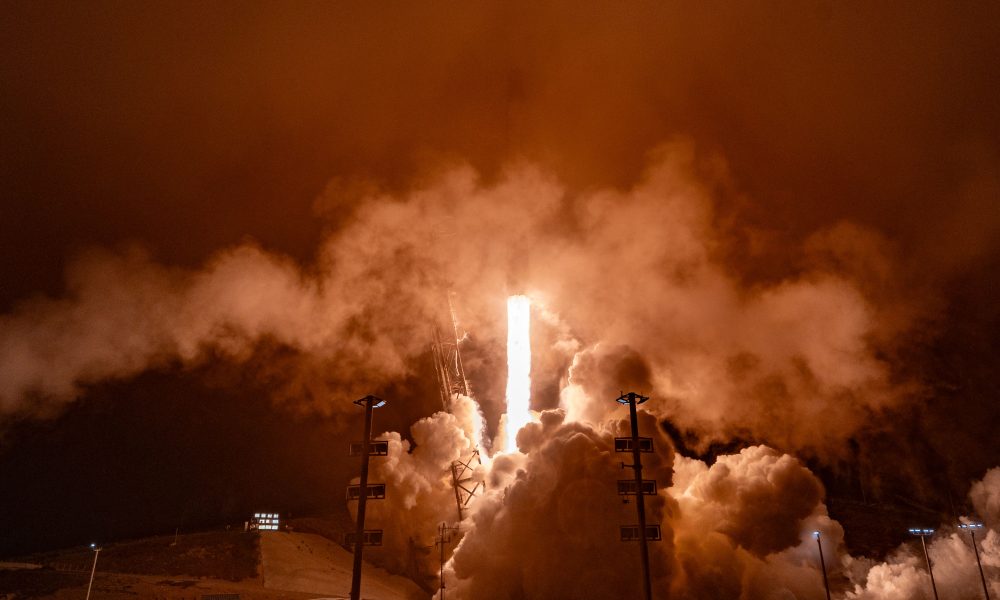
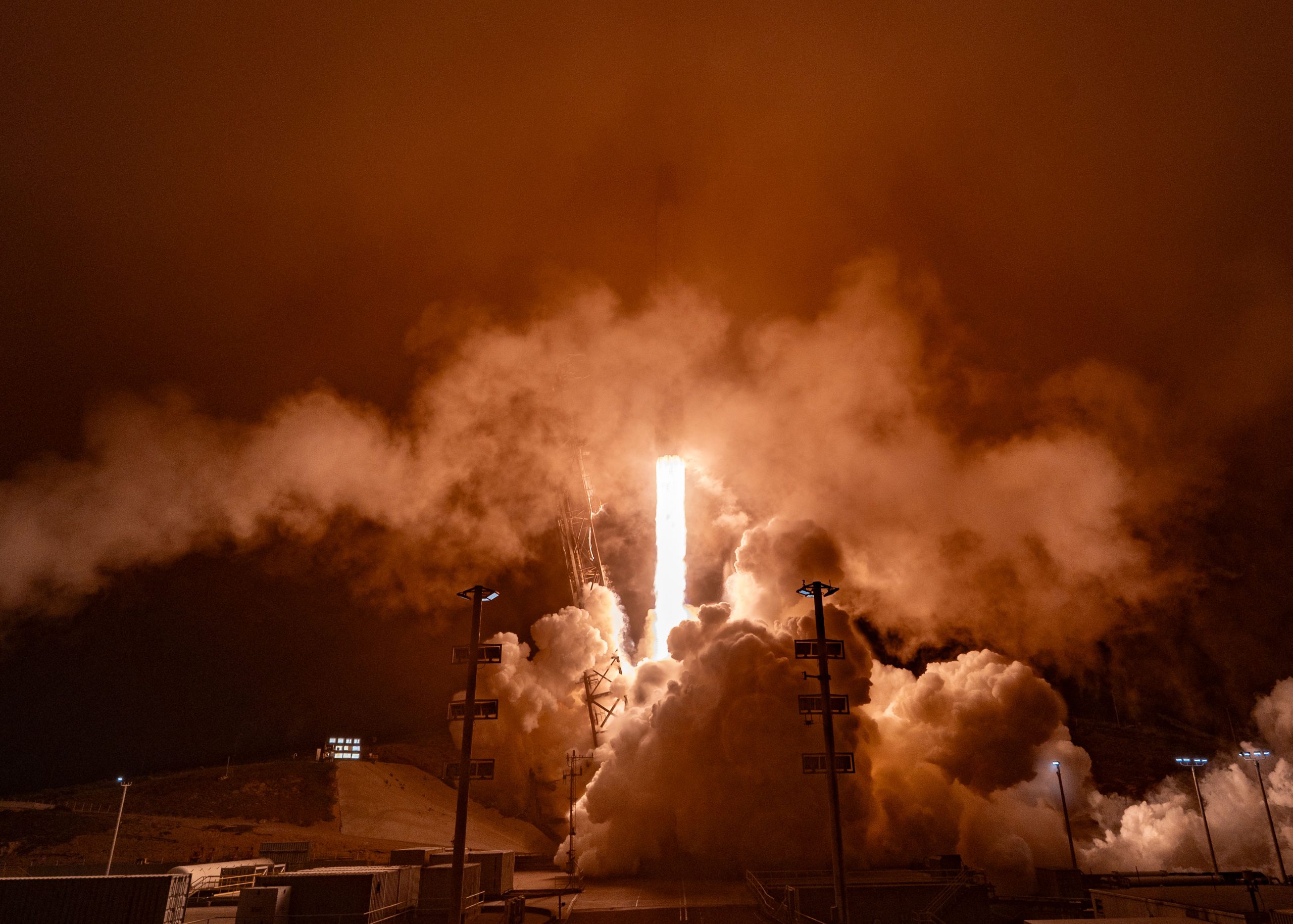
The milestone came on the Starlink Group 17-50 mission, which lifted off from Space Launch Complex 4 East at Vandenberg Space Force Base at 9:01 p.m. PDT on August 18 (0401 UTC on August 19). The rocket carried 24 Starlink V2 Mini satellites and deployed them into low Earth orbit about an hour after liftoff, nudging the active constellation just past the five-figure mark. It is a striking figure for a program that put up its first two test satellites, Tintin A and B, only in February 2018.
A Reusable Workhorse Behind the Record
The launch also underscored how routine — and how reusable — SpaceX's operations have become. The Falcon 9 first stage, booster B1097, was flying for the 12th time, having previously lofted the Twilight and Transporter-17 rideshare missions, the Sentinel-6B ocean-monitoring satellite, an NROL payload, and seven earlier Starlink batches. About eight minutes after liftoff, it touched down on the droneship Of Course I Still Love You in the Pacific, marking the 651st booster landing in SpaceX history. That cadence has been on full display all month, including a run of record back-to-back Falcon 9 flights just days earlier.
Starlink now serves millions of subscribers across more than 160 countries, delivering broadband to homes, ships, aircraft, and emergency responders in places traditional networks never reached. According to tracking data compiled around the launch, SpaceX has launched more than 12,000 Starlink spacecraft across all versions to date, continuously replacing units that are retired and deorbited by design to keep the orbital environment clean.