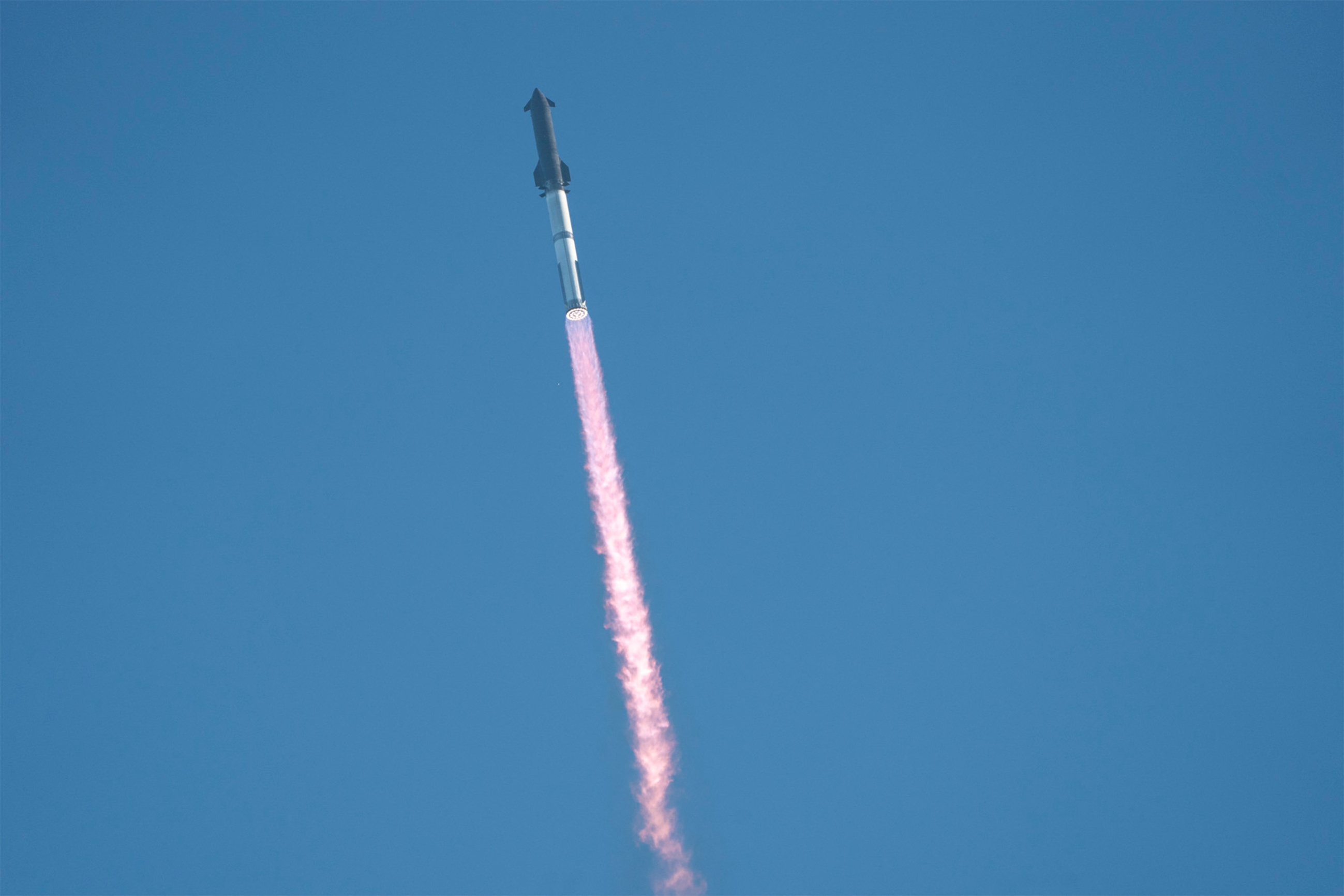
BOCA CHICA, Texas — SpaceX is preparing to fly a landmark payload on the 13th flight of Starship: the first-ever deployment of operational Starlink V3 satellites. The company is targeting a launch window opening Wednesday, July 15, from Pad 2 at Starbase, with a backup opportunity the following day, after Super Heavy Booster 20 completed its final major pre-flight test.
A Record Static Fire Clears the Path
On July 10, SpaceX fired all 33 Raptor 3 engines on Booster 20 in a full-duration static fire lasting roughly 25 seconds. Independent acoustic monitors recorded the most energetic ground test ever measured at Starbase, a signature of the booster's enormous combined thrust. Clearing that milestone was the last big gate before flight, following the rollout of Booster 20 to the pad earlier this month.
With 33 Raptor 3 engines producing more than 18 million pounds of liftoff thrust, Super Heavy remains the most powerful rocket ever built. The Version 3 vehicle stands 408 feet tall, carries about 10 percent more propellant than its predecessor, and is rated to deliver more than 100 metric tons to low Earth orbit in fully reusable mode, nearly three times the capability of the previous generation.
Why the V3 Payload Matters
The star of Flight 13 is the payload itself. SpaceX plans to deploy a batch of roughly 20 next-generation Starlink V3 satellites, each weighing about 2,000 kilograms and designed to deliver more than ten times the downlink capacity of today's V2 Mini units. Those satellites are too large to fit inside a Falcon 9 fairing, meaning they can only reach orbit aboard Starship. A single Starship flight carrying a full batch of V3 satellites can add more than twenty times the network capacity of one Falcon 9 launch.
