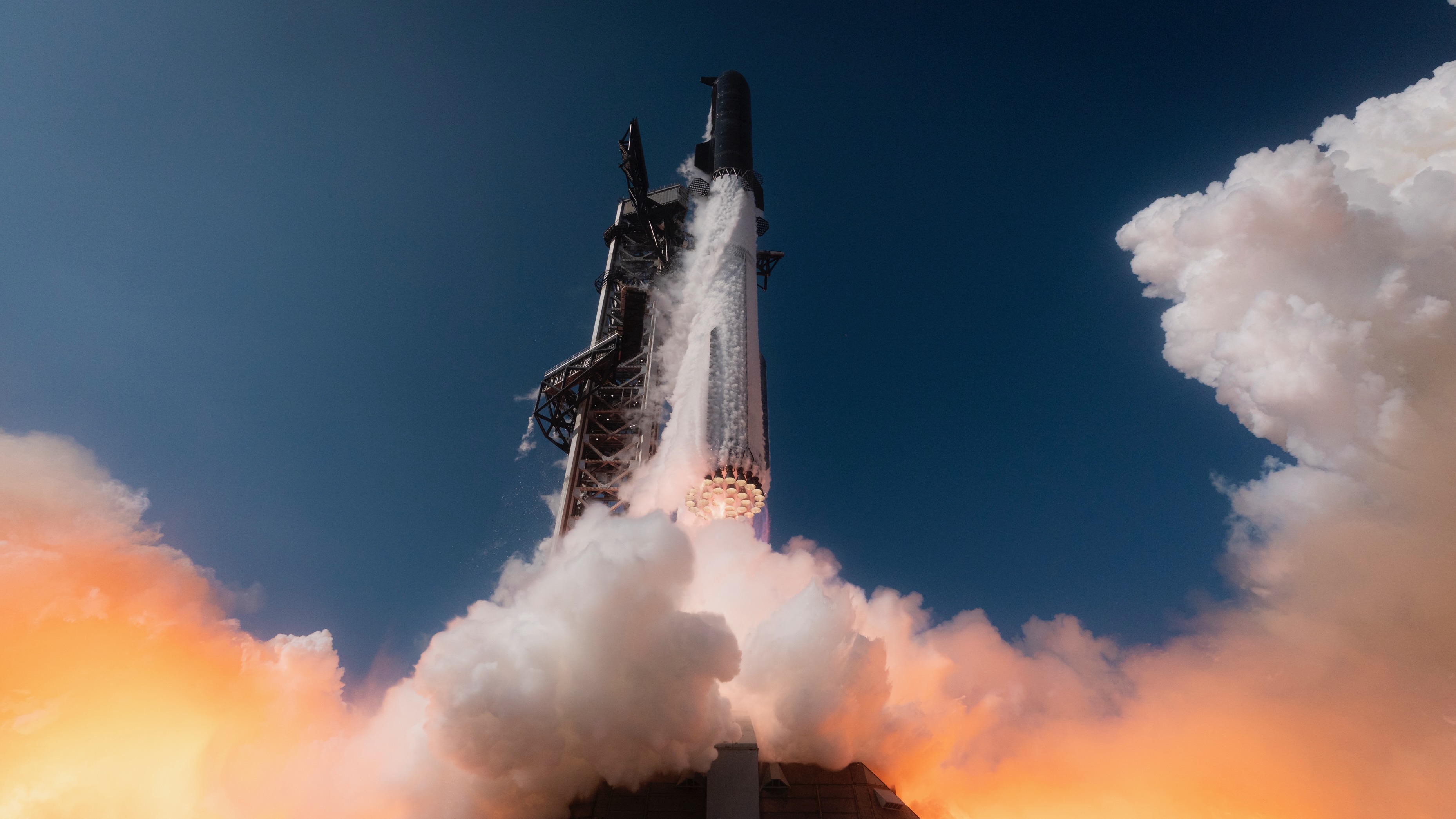

BOCA CHICA, Texas — SpaceX is poised to send its Starship megarocket back to the skies on Friday evening, with Flight 13 carrying the first operational batch of next-generation V3 Starlink satellites. Liftoff from the Starbase site in South Texas is targeted for a 90-minute window that opens at 5:45 p.m. local time (6:45 p.m. EDT), the third attempt after a dramatic last-second abort on July 16 and a subsequent weather scrub.
A Fresh Attempt After Setbacks
The July 16 attempt ended when the vehicle's flight software triggered an automatic abort at T-0 after four Raptor engines failed to meet acceptable startup parameters. SpaceX responded in characteristic fashion, replacing the engines, rolling the vehicle back for additional work, and pressing ahead. According to SpaceX's Flight 13 mission description, engineers made several hardware and software modifications to address issues seen on the previous flight.
That rapid iteration is central to how SpaceX develops Starship, treating every test as a chance to gather data and refine the world's largest and most powerful rocket. Standing more than 400 feet tall and capable of lifting over 100 metric tons to orbit, the fully reusable vehicle is the cornerstone of the company's plans to settle the Moon and Mars.
The First V3 Starlinks
Flight 13's headline objective is the debut deployment of 20 V3 Starlink satellites, the next-generation spacecraft set to dramatically expand the network's capacity. Released through Starship's PEZ-dispenser-style bay, the satellites will extend solar arrays and antennas and attempt to link up with the wider Starlink constellation using high-capacity lasers.