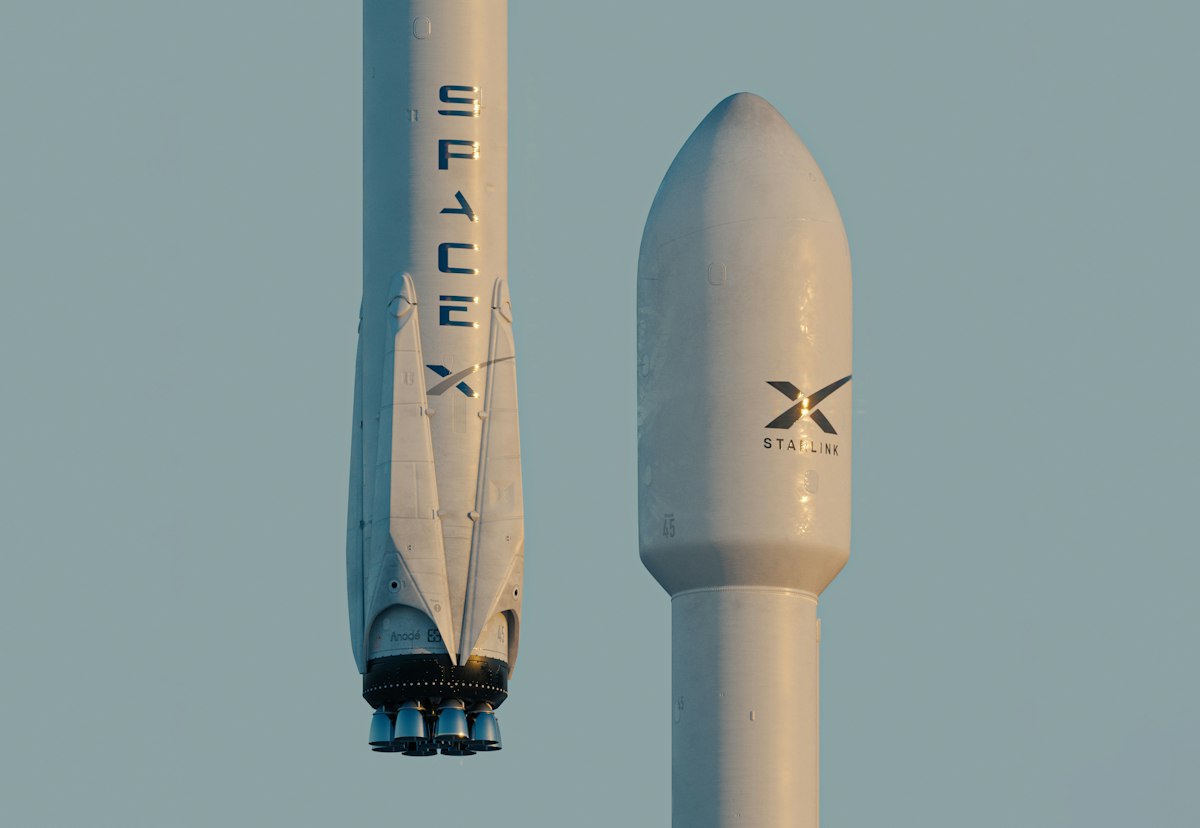
BOCA CHICA, Texas — SpaceX is preparing its second Starship V3 test flight, targeting a June 2026 launch window that could mark the rocket's first attempt at a true orbital trajectory — a milestone that would significantly advance preparations for NASA's Artemis lunar missions and future Mars operations.
Ship 40 Ready for Flight 13
The vehicle designated for the thirteenth Starship integrated flight test is Ship 40, which will ride atop a Block 3 Super Heavy booster at Starbase on Orbital Launch Pad 2. Flight 13 follows the landmark May 22 debut of the V3 configuration during Flight 12, which demonstrated the new Block 3 architecture under live conditions for the first time.
SpaceX's program has now accumulated 12 integrated test flights, with 7 successes and 5 partial or full failures — a test cadence that reflects the company's philosophy of iterating rapidly through hardware rather than relying solely on ground simulation.
Orbital in Scope
Flight 13 is being evaluated for an orbital profile, which would represent a significant step up from the suborbital trajectories that characterized earlier test missions. An orbital flight would require the Starship upper stage to achieve and sustain orbit before a controlled reentry, testing thermal protection systems, attitude control, and guidance under conditions far more demanding than any prior flight.
If orbital parameters are confirmed, Flight 13 would also serve as a preparatory demonstration for the in-space propellant transfer tests that SpaceX has targeted for 2026 — a capability critical to NASA's Artemis III moon landing architecture, which relies on Starship as a lunar surface lander.
V3: A New Baseline
The V3 upgrade introduced during Flight 12 incorporates a series of Raptor engine improvements, structural reinforcements, and avionics changes that collectively increase thrust, reliability, and reusability margins. SpaceX's engineers are reviewing Flight 12 telemetry in detail ahead of Flight 13, with particular attention to the boostback burn sequence, which encountered anomalies during the previous mission.
Starship V3's designed capability — fully reusable and capable of lifting over 100 metric tons to low Earth orbit in expendable configuration — would make it by far the most capable launch vehicle ever flown. With SpaceX simultaneously managing a packed commercial manifest and preparing for its historic IPO listing on June 12, Starship's development trajectory carries implications far beyond exploration.
Eyes on June
No firm launch date has been announced, but multiple tracking sources indicate a June 2026 window. The cadence between Flight 12 and Flight 13 would be among the shortest in the Starship program's history, reflecting improvements in ground processing and hardware readiness at Starbase. SpaceX's long-term ambitions envision multiple Starship flights per month at full operational tempo — Flight 13 will be an early test of whether that aggressive pace is achievable at the V3 configuration. Every successful flight brings the vision of a fully reusable Earth-to-Mars transportation system one step closer to reality.