
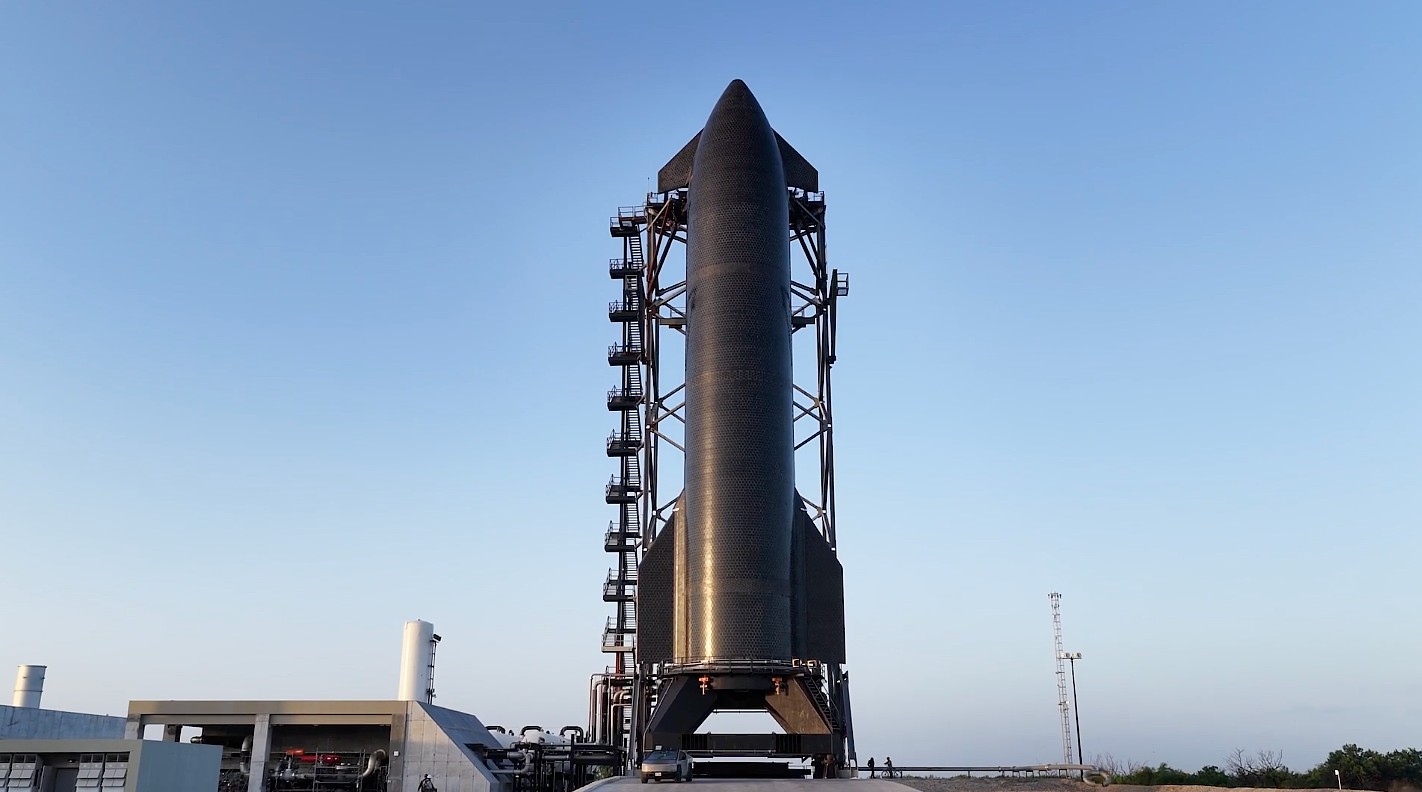
SpaceX Aces Starship Flight 13, Deploys First 20 Starlink V3s

SpaceX launched Starship Flight 13 on Friday, deployed the first 20 operational Starlink V3 satellites, and guided the ship to its softest splashdown yet in the Indian Ocean.

3 min read
SpaceX Aces Starship Flight 13, Deploys First 20 Starlink V3s

BOCA CHICA, Texas — SpaceX delivered one of its cleanest Starship results yet on Friday, sending the 13th integrated flight test off Pad 2 at Starbase and deploying the first 20 operational Starlink V3 satellites before guiding the upper stage to what the company called its "softest splashdown" ever.

The Version 3 vehicle, powered by a 33-engine Super Heavy booster and a six-engine Ship, lifted off at 5:51 p.m. local time after two earlier scrubs — a post-ignition abort on July 16 and a weather delay tied to Tropical Storm Bertha. This time everything held. SpaceX confirmed on X that it made contact with all 20 satellites it released, turning Starship from a test article into a working satellite-delivery system. Our preview of Friday's attempt laid out just how much was riding on the flight.

A real payload, not a simulator

Earlier Starships carried Starlink mass simulators. Flight 13 carried the real thing. About 16 minutes after liftoff, Ship 40 released 20 production Starlink V3 satellites, which extended solar arrays and antennas and attempted to link with the wider constellation through high-capacity lasers and ground stations in South Africa. Because the satellites shared Starship's suborbital path, they were expected to demise on reentry roughly 20 minutes later — exactly as planned for this first test.

Six of the 20 satellites carried extra cameras aimed at Starship's heat shield, feeding back imagery that engineers will use to refine tile designs for future return-to-launch-site attempts. It was a dual-purpose mission: prove the payload system and gather reentry data in a single flight.
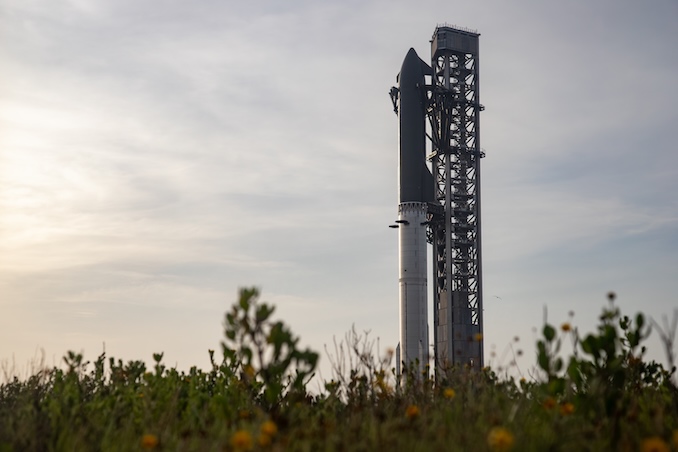
SpaceX Aces Starship Flight 13, Deploys First 20 Starlink V3s — additional image

Booster and heat-shield gains

The Super Heavy booster separated cleanly and flew a controlled descent to an offshore landing in the Gulf, aided by hardware changes to improve Raptor relight reliability and updated abort logic — direct answers to the anomalies seen on Flight 12 in May. The upper stage also demonstrated an in-space Raptor relight and flew load-sensing tiles that measured stresses during a higher dynamic-pressure ascent.

Each of those steps pushes Starship closer to the rapid reusability that underpins SpaceX's broader ambitions, from filling out the next-generation Starlink network to landing astronauts on the Moon.

Why it matters beyond Friday

A nearly identical Version 3 vehicle is slated to fly NASA's Artemis 3 mission, including a docking with the Orion spacecraft in low Earth orbit. Every successful V3 flight tightens SpaceX's data set for that campaign while simultaneously scaling the Starlink capacity that funds it. As Spaceflight Now noted heading into the flight, the same startup-sequence and engine work that plagued Flight 12 was the focus of this test — and on Friday, it paid off.

With production Starlink V3 satellites now proven on Starship and the booster flying controlled landings, SpaceX heads into the back half of 2026 with its most capable rocket doing exactly what it was built to do.