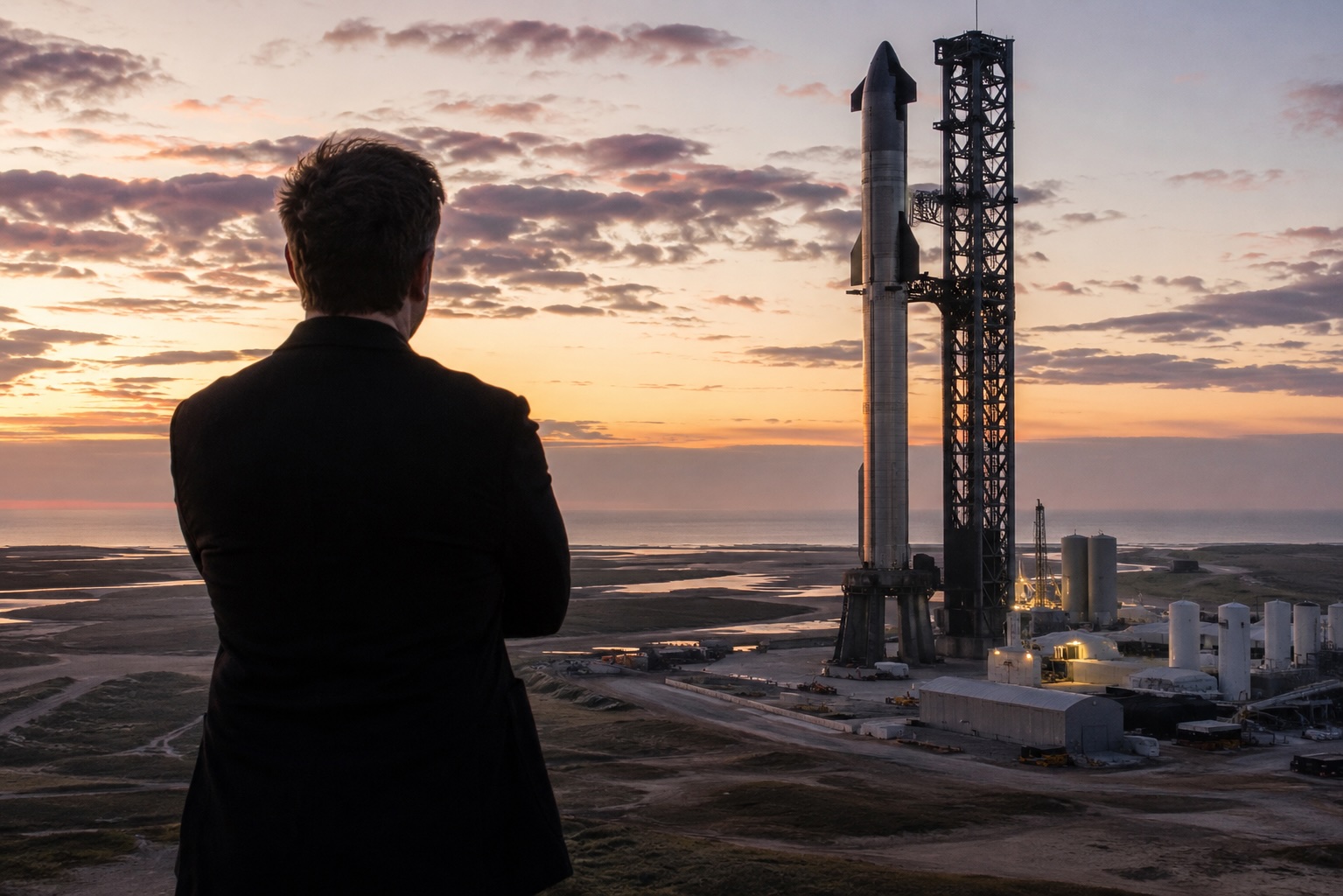
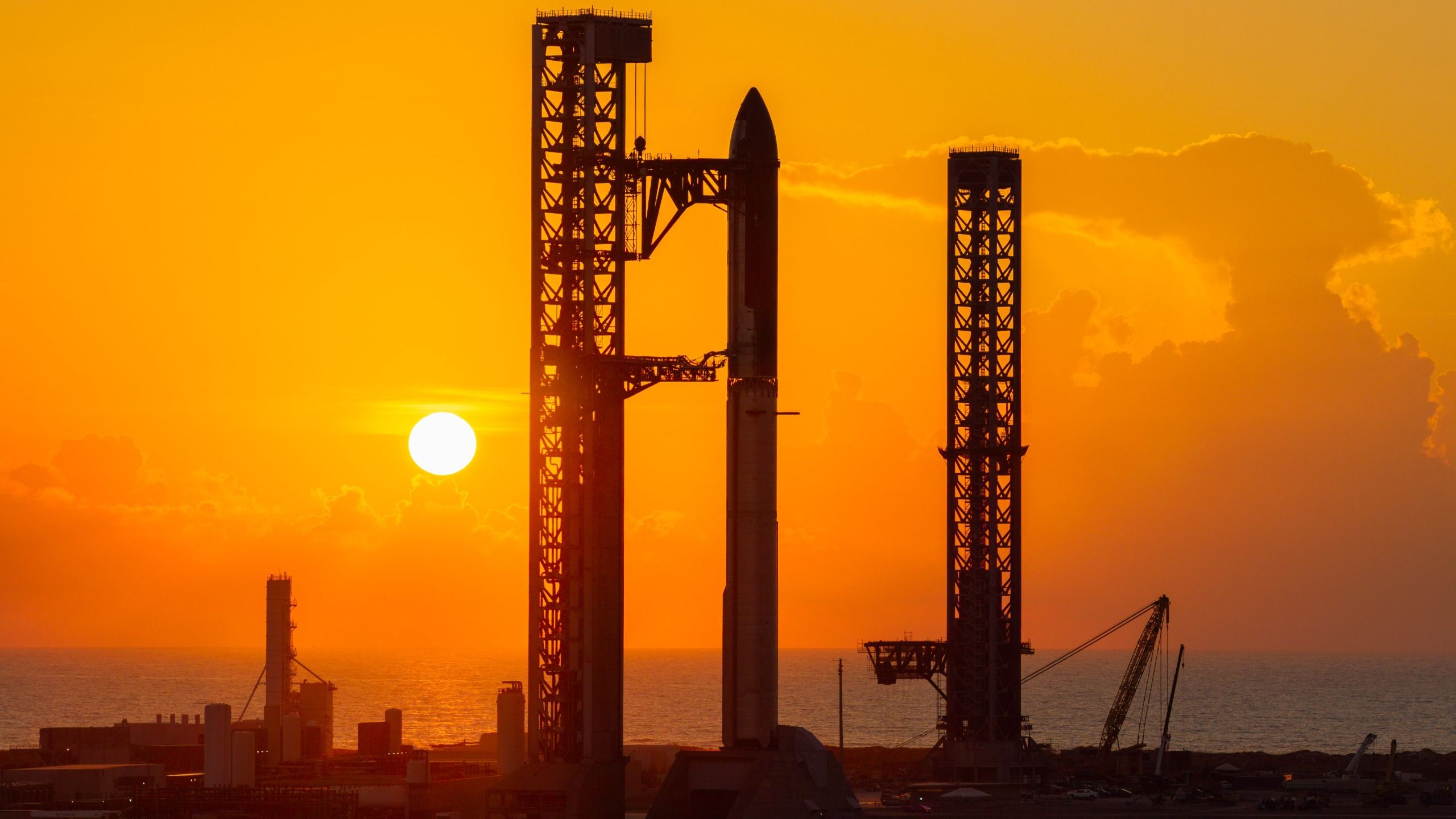
BOCA CHICA, Texas — SpaceX has cleared the final regulatory hurdle standing between Starship and orbit. The Federal Aviation Administration issued the launch license for Flight 14 on Saturday, September 27, greenlighting the company's first attempt to send its massive rocket to orbit as soon as Monday morning.
The approval removes the last question mark hanging over a mission that had been set for Monday, September 28 pending sign-off. With the license in hand, SpaceX is targeting a 75-minute window opening at 7:15 a.m. Central from Pad 2 at Starbase, Texas, with backup opportunities on September 29 and 30.
The last hurdle cleared
Regulatory clearance has often been the pacing item for Starship test flights, so securing the license days before the window opens gives SpaceX a clean runway to fly. The green light covers the full orbital profile, from liftoff atop the Super Heavy booster through a controlled reentry and splashdown, and reflects the agency's growing familiarity with a vehicle that has flown 13 times before.
For SpaceX, the timing could hardly be better. The company has spent the past year rapidly iterating on hardware and has already demonstrated repeated booster catches. Now it can attempt the milestone that has defined the program from the start: reaching orbit.
A revenue-generating first
Flight 14 is designed to be more than a test. Ship 41 will carry 26 Starlink V3 satellites, making this the first orbital, revenue-generating Starship mission. About 25 minutes after liftoff, the ship is expected to perform an orbital insertion burn and settle into a roughly 275-kilometer orbit, completing around six laps over close to 10 hours before reentering and splashing down in the Pacific west of Chile. The Super Heavy booster, meanwhile, is slated to return over the Gulf of Mexico.
Engineers will also attempt an in-space engine relight and gather detailed reentry data, with three of the satellites carrying cameras trained on the vehicle's heat shield. That thermal-protection focus builds on recent refinements, including the reused heat-shield tiles SpaceX flew for the first time on an earlier ship.
Why it matters
An orbital, payload-carrying Starship would validate the core promise of a fully reusable heavy-lift rocket: enormous capacity at a fraction of today's launch costs. That capability underpins a vastly larger Starlink constellation, NASA's Artemis lunar landings and, ultimately, Mars.
SpaceX has been careful to frame each flight as a test that can teach as much as it achieves, and weather or a technical issue could still shift the timeline. But with the FAA's approval secured and the vehicle stacked, the company is closer than ever. Full mission details are posted on SpaceX's launch page. If Monday goes to plan, Starship will finally earn its place as an orbital-class launcher.