BOCA CHICA, Texas — SpaceX is clear to fly. The U.S. Federal Aviation Administration on Monday listed September 22 as the primary launch date for the 14th flight test of the Starship-Super Heavy system from Starbase, with airspace reserved for a window between 7:15 and 9:14 a.m. EDT and September 23 held as a backup. It is the milestone SpaceX has been building toward all year: the first flight the company intends to carry all the way to orbit.
A First for the World's Biggest Rocket
Flight 14 is expected to send Ship 41 to orbital velocity and deploy a batch of operational Starlink V3 satellites, the high-capacity spacecraft designed to sharply expand the network's bandwidth. That marks a turn from the suborbital arcs of earlier campaigns to a revenue-relevant mission profile, the same shift that has already moved SpaceX to route more of its Florida Starlink launches onto Starship.
Elon Musk said over the weekend that Ship 41 will not attempt a tower catch on this flight, with the booster instead targeting a controlled splashdown in the Gulf. A catch attempt is penciled in for Flight 15, which Musk has given a 50-to-60% chance of success — the kind of candid framing that has become a hallmark of the program's rapid, test-heavy cadence.
Building on a Record Year
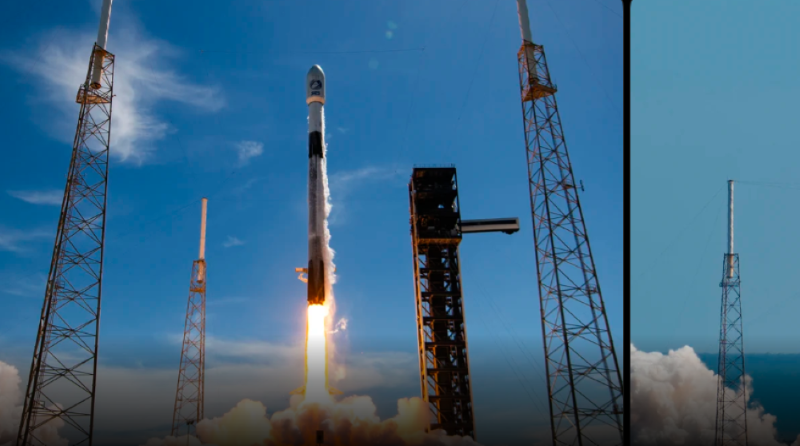
The clearance caps a remarkable stretch for the company. SpaceX flew the 13th Starship test on July 24, notching the first deployment of V3 satellites and an in-space engine relight, and its Falcon fleet has been launching at a record clip, most recently completing its 700th Falcon mission with the final O3b mPOWER satellites for SES. Taken together, the two vehicles give SpaceX an operational tempo no other launch provider is close to matching.