LIVELIVERobotaxi
Rollout
,robotaxis
  • TexasCybercab126Model Y420Driverless
  • Miami, FLUndisclosedDriverless
  • Orlando, FLUndisclosedDriverless
  • Tampa, FLUndisclosedDriverless
  • Bay Area, CAModel Y1,655Safety driver
  • Las Vegas, NVUp to 5,000Approved
  • Phoenix, AZPreparingComing soon

Starship Set for First Orbital Flight Monday

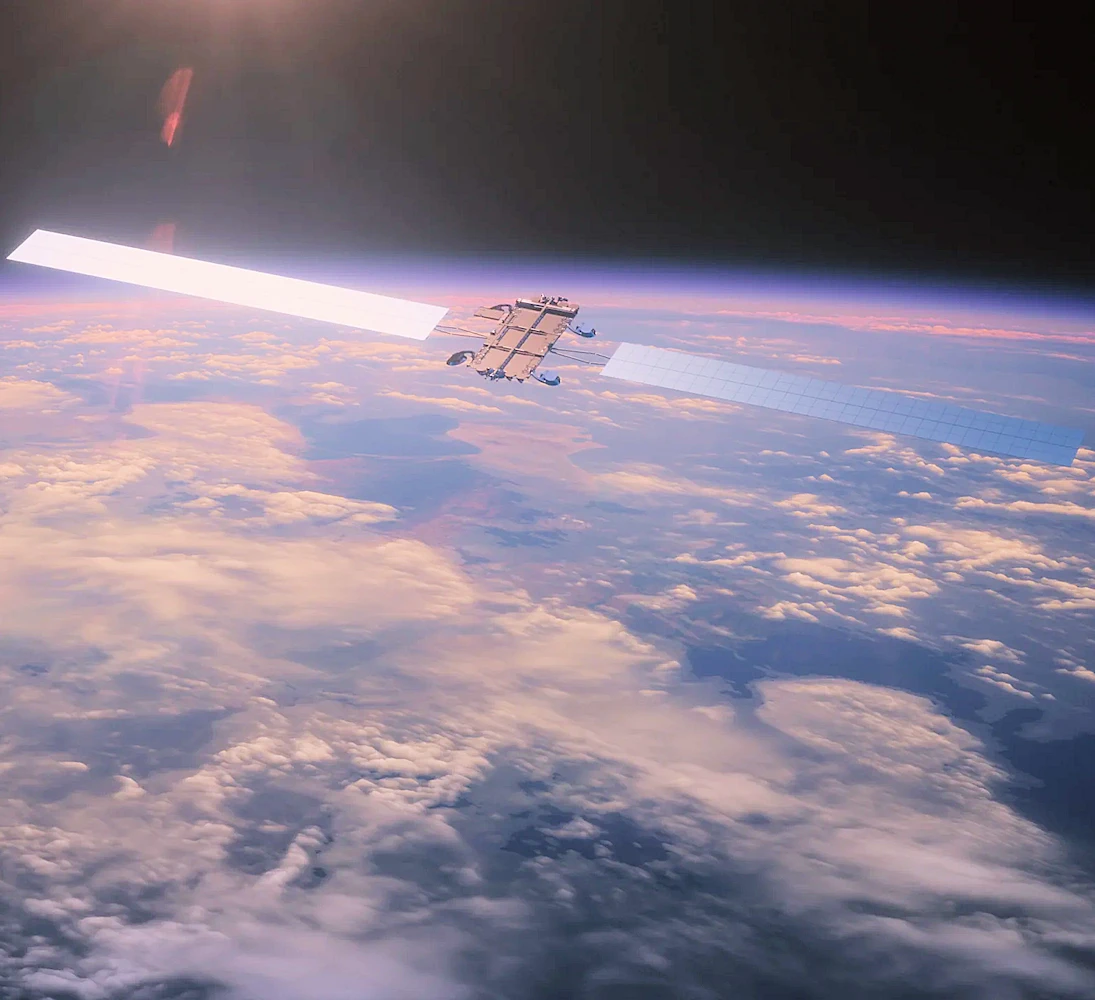
SpaceX aims to send Starship to orbit for the first time on Monday, Sept. 28, carrying 26 Starlink V3 satellites on Flight 14.

3 min read
Starship Set for First Orbital Flight Monday

BOCA CHICA, Texas — SpaceX is counting down to the most ambitious test in the Starship program's history: on Monday, September 28, the company aims to send its towering rocket into orbit for the first time, capping a rapid campaign of suborbital flights with a mission that could reshape spaceflight economics.

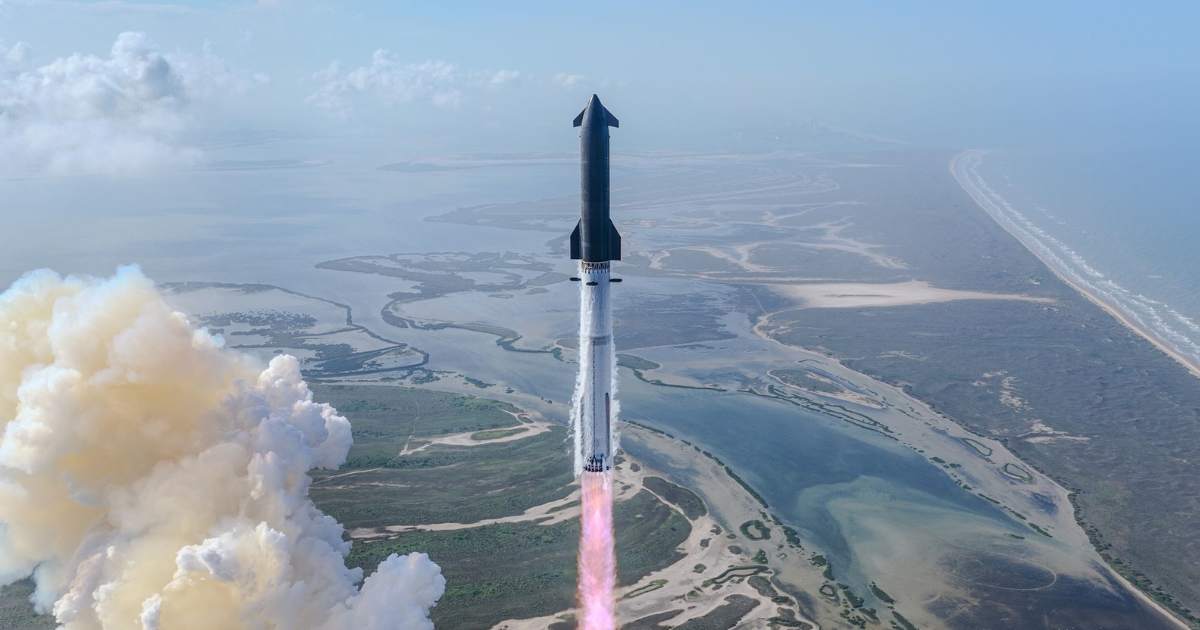
The 407-foot stack, pairing Super Heavy Booster 21 with Ship 41, is scheduled to lift off from Starbase, Texas during a 75-minute window that opens at 7:15 a.m. CT. Engineers completed a full wet dress rehearsal — "essentially launch day without the launch" — earlier in the week, clearing one of the final hurdles ahead of an orbital attempt that has been years in the making.

A true orbital mission

Starship's previous 13 flights followed suborbital arcs. Flight 14 is designed to change that. Roughly 25 minutes after liftoff, Ship 41 is expected to perform an orbital insertion burn placing it about 275 kilometers (171 miles) above Earth, where it will complete around six laps over a mission lasting close to 10 hours before a controlled reentry.

Along the way SpaceX will attempt an in-space engine relight — a critical capability for future deorbit and deep-space burns — and gather detailed data on how the vehicle performs during the long coast phase. Success would validate years of iterative design and move Starship from experimental hardware toward operational service.

26 Starlink V3 satellites aboard

The flight is not just a test article. Ship 41 carries 26 next-generation Starlink V3 satellites, the first batch of the high-capacity spacecraft that SpaceX plans to deploy in large numbers. Putting real payloads on a debut orbital attempt is characteristically aggressive, and it reflects the company's confidence in a design that has already logged multiple successful booster catches.

Starship Set for First Orbital Flight Monday — additional image

Three of the satellites carry cameras aimed at Starship's heat shield, giving teams an unprecedented look at thermal-protection performance during reentry. That focus builds on recent hardware refinements, including new tile fasteners, curved tile geometry and even a pair of recycled tiles flown on an earlier ship — a reusability milestone detailed in SpaceX's heat-shield work.

Why Monday matters

An orbital Starship unlocks the vehicle's core promise: a fully reusable heavy-lift system capable of launching enormous payloads at a fraction of today's costs. That capability underpins SpaceX's plans for a vastly expanded Starlink constellation, crewed lunar landings under NASA's Artemis program and, ultimately, Mars.

Weather and technical readiness can always shift the timeline, and SpaceX has emphasized that each flight is a test meant to teach as much as to achieve. But the trajectory is unmistakable. As the company outlined on its mission page, Flight 14 is built to demonstrate orbital flight, payload deployment and reentry survivability in a single outing.

If Monday goes to plan, SpaceX will have turned the world's largest rocket into an orbital-class launcher — and taken a decisive step toward making routine, low-cost access to space a reality.