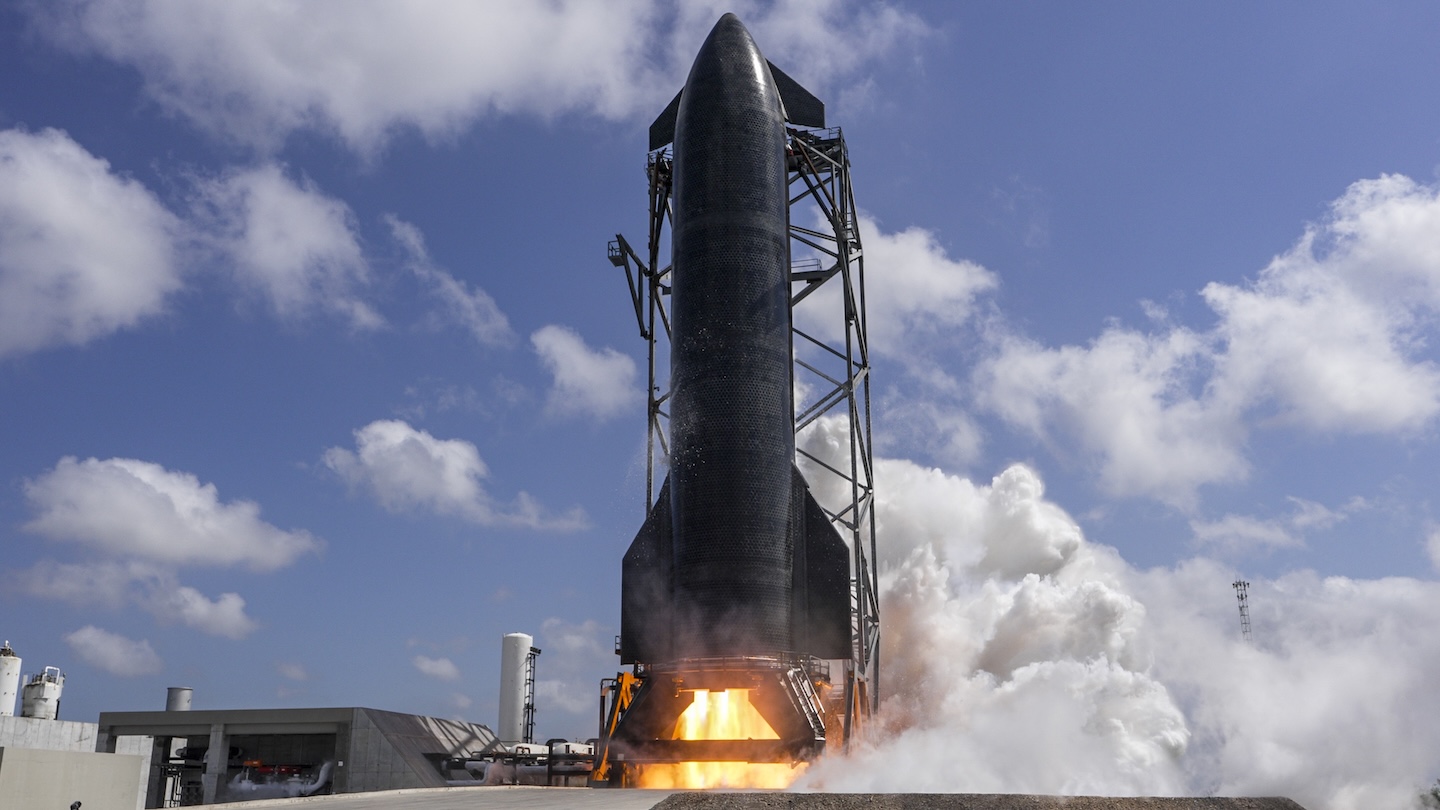
BOCA CHICA, Texas — SpaceX has cleared the last major hardware milestone before its next Starship launch, completing a full-duration static fire on the vehicle assigned to Flight 14, the mission expected to send Starship on its first full orbital trip.
The successful engine test, carried out at Starbase this week, marks a key readiness step for a flight that will push the Starship V3 program further than any before it. SpaceX is targeting a launch window in the coming weeks, with the mission slated to deploy a batch of next-generation Starlink V3 satellites once in orbit.
The Last Box to Check
Static fires are the final proving ground before a Starship stack is cleared to fly, verifying that the vehicle's Raptor engines can run at full duration without issue. Completing it moves Flight 14 from preparation into launch readiness, pending range availability and final reviews.
The flight follows a stretch of strong results for the program, including the recovery effort that saw SpaceX bring Ship 40 back intact off Christmas Island after a successful splashdown. Each flight has added confidence to a test campaign built on rapid iteration.
Orbit First, Catch Later
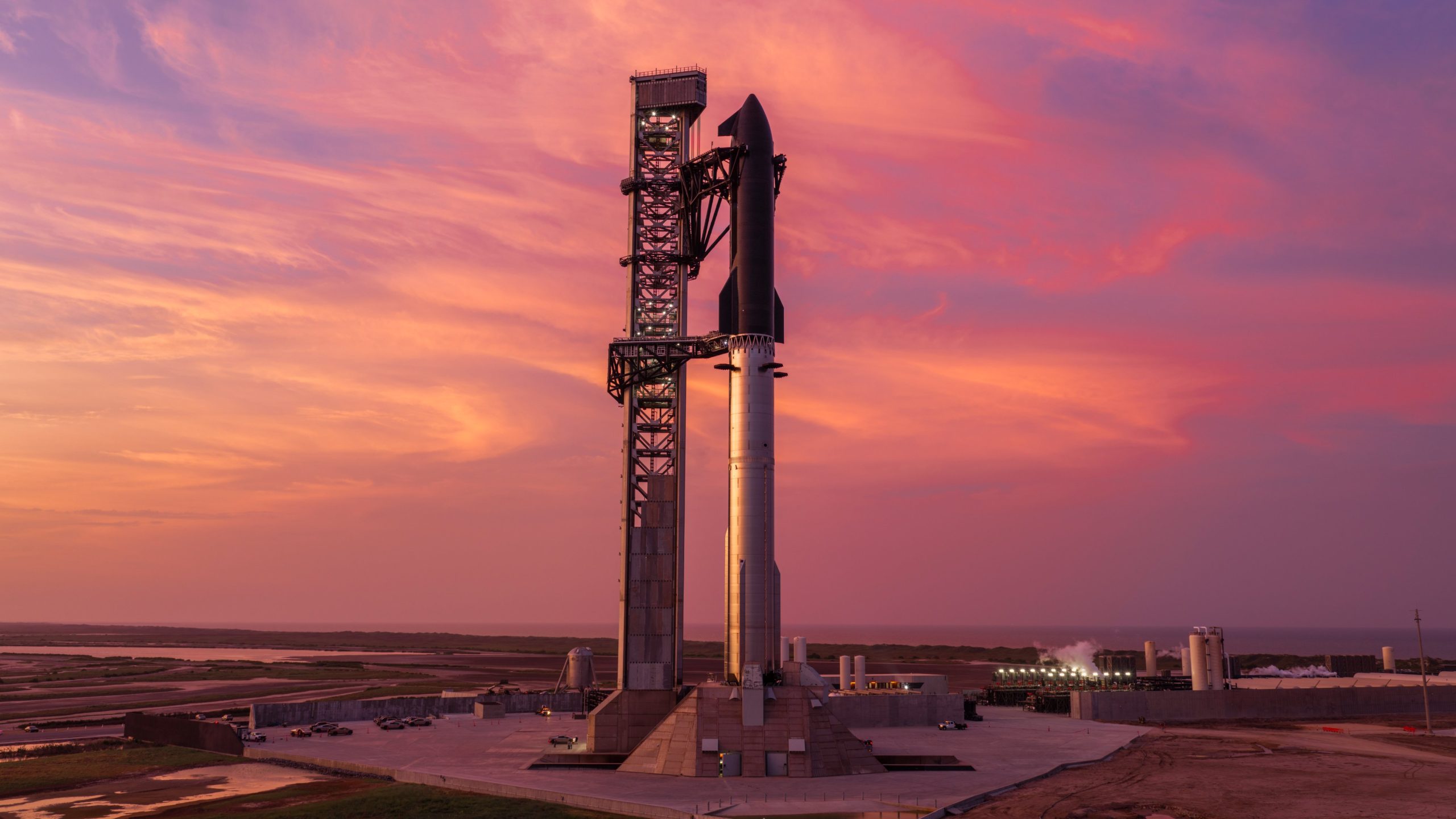
Flight 14 is designed around an orbital objective and operational Starlink deployment rather than a tower catch of the upper stage. Elon Musk said this week that catching the ship with Starbase's mechanical arms is now likely “a few months” away, with the first reflight of a Starship expected by the end of 2026 or early 2027 — a sequencing that puts orbital performance and payload deployment first. That measured approach was detailed in Teslarati's report on Musk's updated catch timeline, and it mirrors SpaceX's earlier planning around the late-summer flight.
Toward Full Reusability
SpaceX has already demonstrated tower catches of the Super Heavy booster on multiple flights, proving the concept for the first stage. Extending that to the upper stage would complete the vision of a fully and rapidly reusable rocket, with both halves returning to the pad for quick refurbishment.
For now, the completed static fire keeps Flight 14 on track to demonstrate the capability that matters most in the near term: reaching orbit and deploying satellites at scale. If the mission succeeds, it will mark another decisive step toward the daily launch cadence SpaceX is building Starship to achieve.