After Its Orbital Debut, SpaceX Sets Sights on Catching Starship

With Starship in orbit for the first time, SpaceX sets its next targets: catching the ship, a possible double catch, and a first Florida launch from LC-39A.

3 min read
After Its Orbital Debut, SpaceX Sets Sights on Catching Starship

BOCA CHICA, Texas — With Starship's first orbital flight now in the books, SpaceX is already turning to the next set of milestones that will define the rocket's path toward full, rapid reusability.

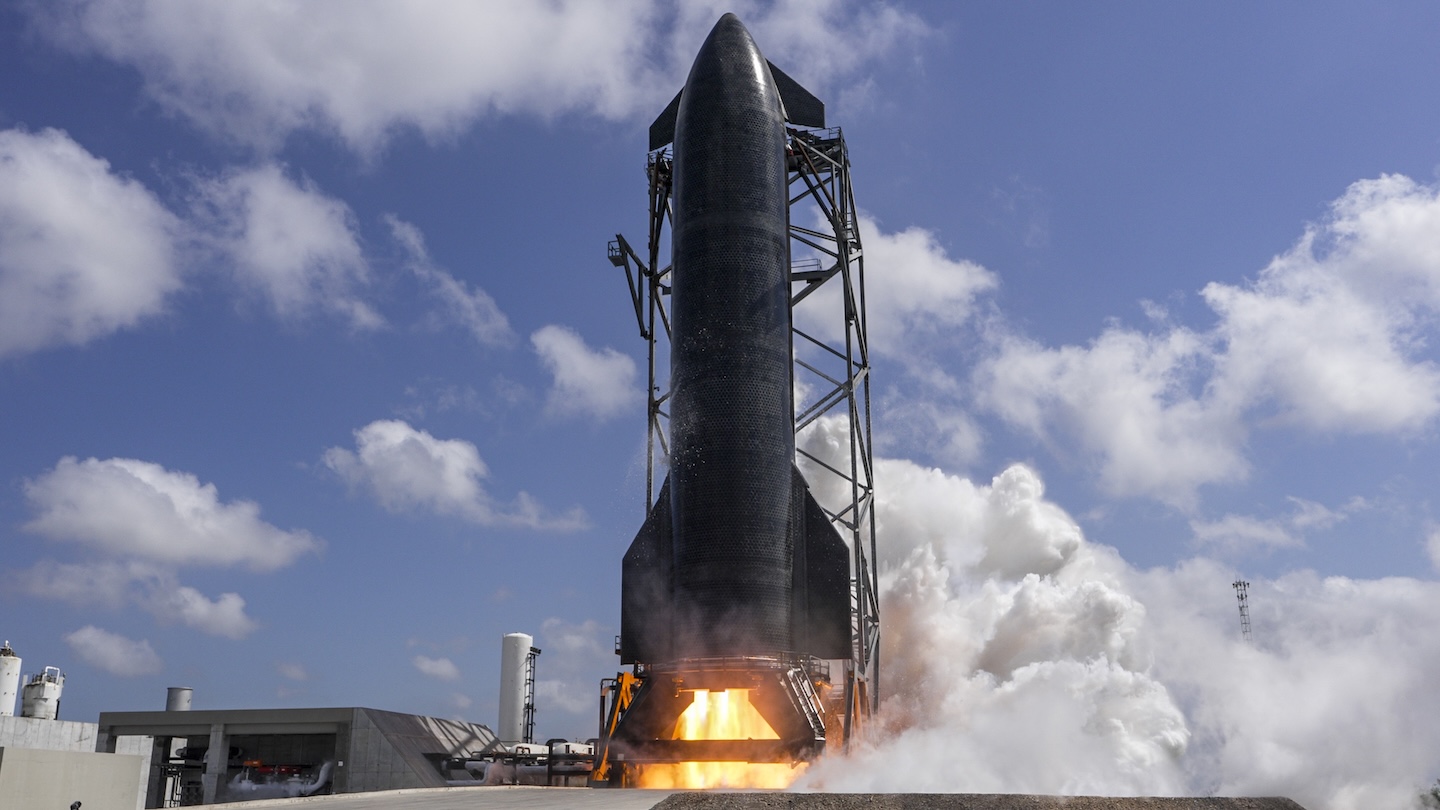
Flight 14 delivered the breakthrough the program had chased for years, lofting Ship 41 into orbit for the first time on Sept. 28. Over roughly ten hours the vehicle completed about six orbital revolutions at an altitude near 275 kilometers, deployed a batch of 26 operational Starlink V3 satellites, and executed a controlled deorbit over the Pacific. Now attention shifts to two goals SpaceX has yet to check off: catching the ship itself and lighting up a second launch site.

The Next Prize: Catching the Ship

On Flight 14, Super Heavy Booster 21 flew a near-flawless profile — a boostback burn, a landing burn and a controlled splashdown in the Gulf rather than a tower catch — while carrying hardware and software upgrades aimed at more reliable engine filtering and relight. Musk has said that had a tower been positioned for the ocean landing, 'it would have been caught,' underscoring how close the system already is.

The upper stage is the harder problem, and SpaceX views the next flight as the first realistic opportunity to attempt a ship catch, potentially even a double catch of booster and ship on the same mission. Musk has framed a tower catch of the ship as a matter of months, with the first reflight of a Starship vehicle expected by the end of this year or early next.

After Its Orbital Debut, SpaceX Sets Sights on Catching Starship — additional image

A Second Home in Florida

The other looming milestone is geographic. SpaceX is preparing historic Launch Complex 39A at Kennedy Space Center — the pad that sent Apollo 11 and dozens of Space Shuttle crews to space — for Starship operations. Major construction there is largely complete, with tank-farm testing and tower systems coming online, and the company is targeting its first Florida Starship launch before the end of 2026.

A working East Coast site would let SpaceX fly Starship from two coasts, a prerequisite for the high cadence the vehicle was built to sustain. It would also feed the Starlink V3 satellites that Starship is designed to deploy by the ton, tightening the link between the rocket and the constellation it is meant to scale.

From Milestone to Machine

The through-line is reusability. Reaching orbit proved the vehicle can do the job; catching the ship and flying it again quickly is what turns a triumphant test into an operational transportation system. As NASASpaceflight has detailed, the near-term manifest is dense with hardware and pad milestones — and each one moves Starship closer to the fully reusable future SpaceX has promised.

Stay Up to Date on All Things Elon

Get the most interesting Elon Musk stories straight to your inbox, once a day. Short, interesting and relevant!