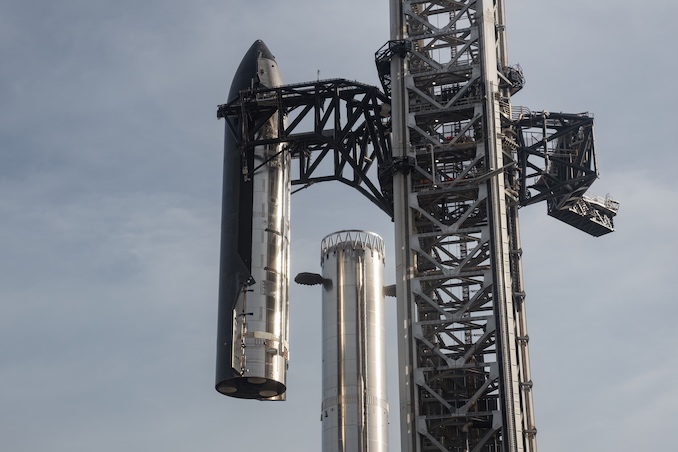
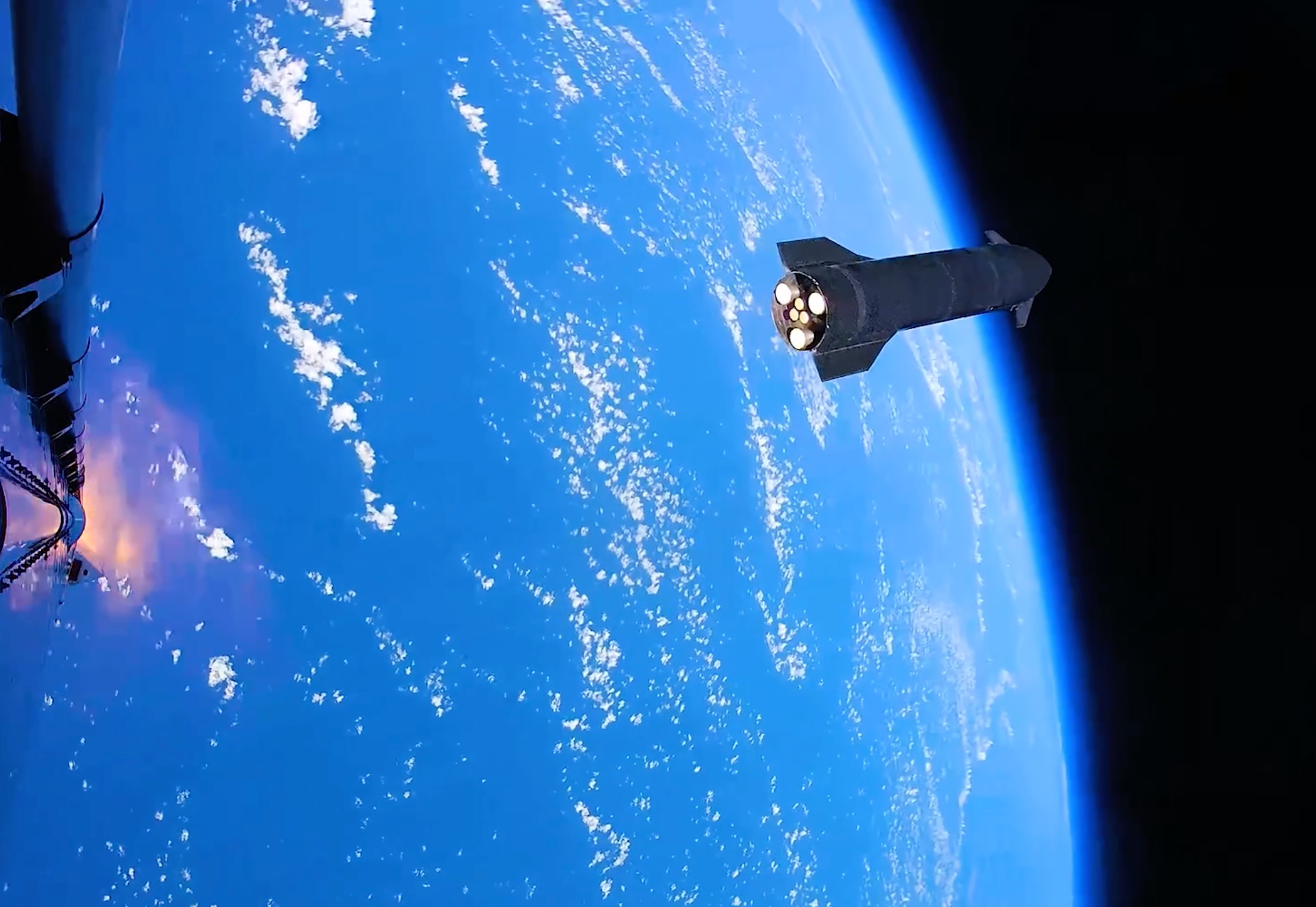
BOCA CHICA, Texas — Fresh off Starship's most successful test flight yet, Elon Musk has set an audacious goal for the very next launch: catching the ship itself out of the sky. "Unless we discover problems after mission data review, SpaceX will attempt to catch the ship with the tower on next flight," Musk posted on July 25, just hours after Flight 13's upper stage settled softly into the Indian Ocean.
A first in spaceflight
No one has ever recovered an orbital-class upper stage with a launch-tower catch. SpaceX has proven the technique repeatedly with its Super Heavy booster, plucking the massive first stage from the air with the tower's "chopstick" arms since the first successful catch in October 2024. Several recovered boosters were refurbished and flown again, validating the approach for rapid reuse.
Extending the catch to the ship would close the loop on full vehicle reusability, the core promise of the Starship program. Every element of Flight 13 pointed in that direction: a clean liftoff, the deployment of the first 20 production Starlink V3 satellites, and the softest splashdown the vehicle has ever managed, with the first clear post-landing views of an intact heat shield.
Why the timing works
Musk has long said ship catches would only follow multiple controlled ocean landings to minimize any debris risk over land. Flight 13 delivered exactly the data needed: a controlled reentry, a precise flip maneuver, and an upper stage that survived intact. Engineers are now reviewing that data, and if nothing surfaces, Flight 14 becomes the proving ground.