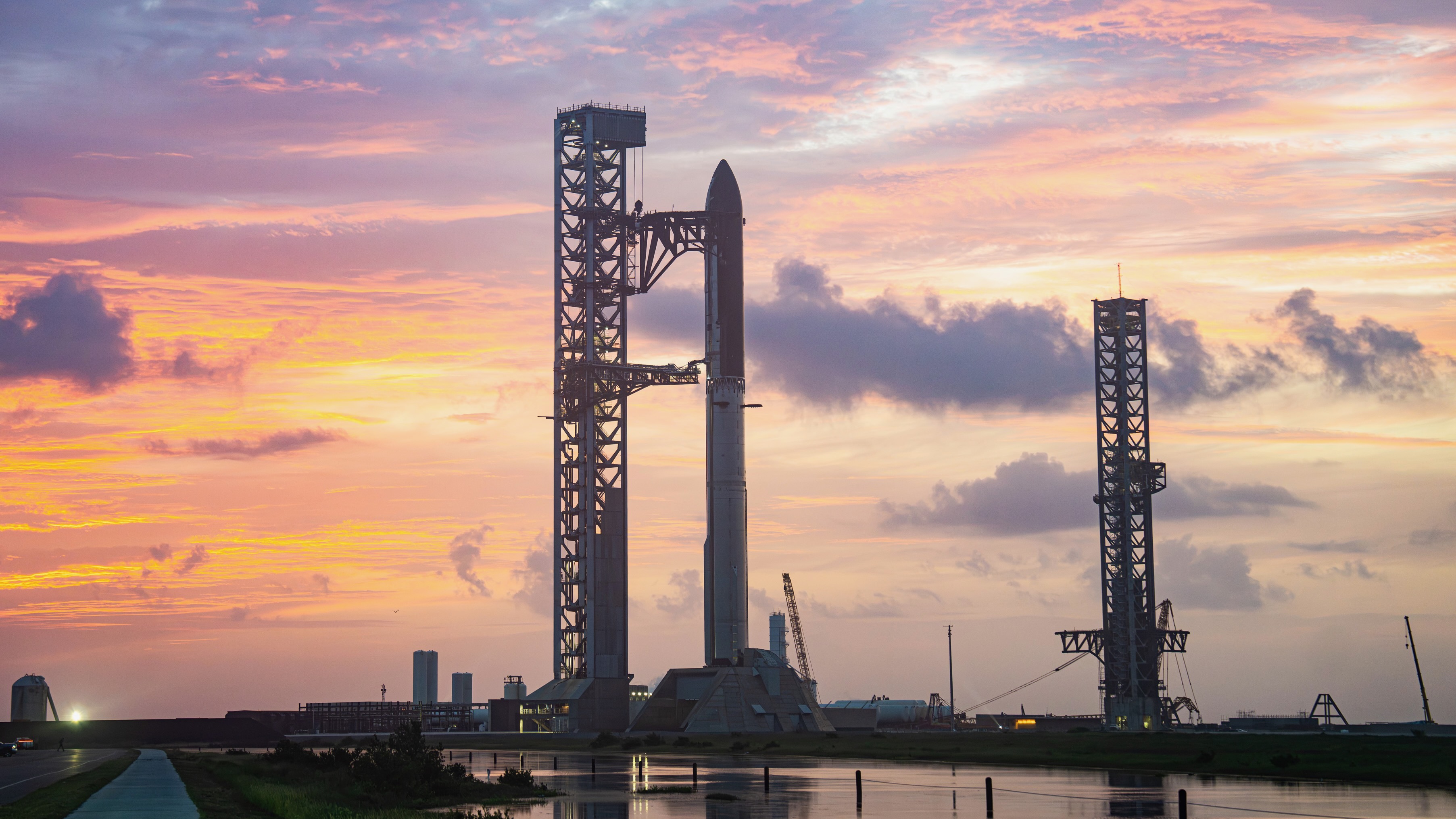
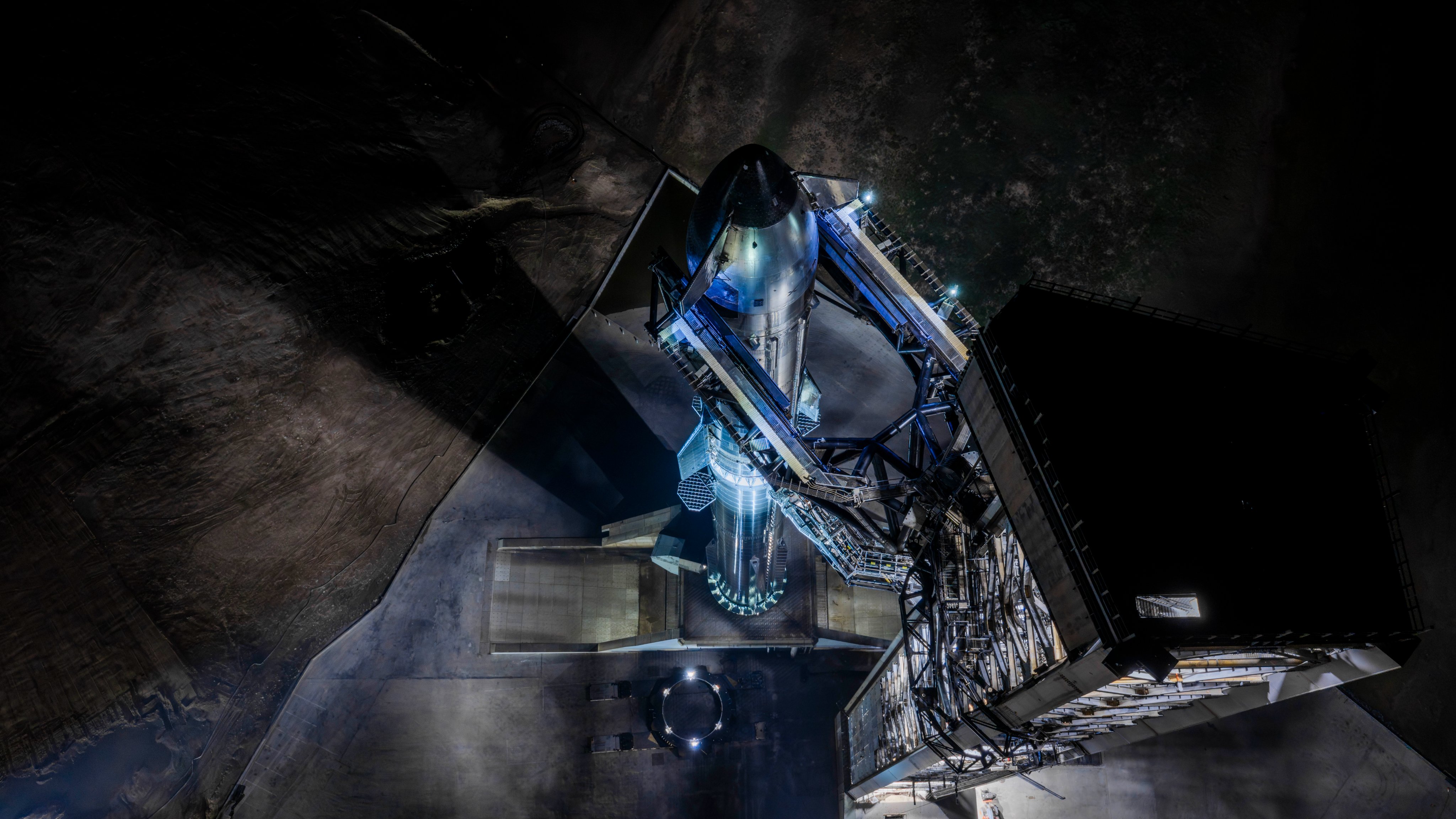
HAWTHORNE, Calif. — As SpaceX prepares to loft the first V3 Starlink satellites on Starship Flight 13, the spacecraft themselves represent the biggest leap in the network's history — a generational upgrade designed to multiply capacity, sharpen speeds, and extend reliable connectivity to nearly every corner of the planet.
A Tenfold Capacity Leap
Each V3 satellite is built to deliver about 1 terabit per second of downlink capacity — roughly ten times what the current V2 Mini spacecraft provide — with uplink capacity exceeding 200 gigabits per second. That means far more bandwidth per satellite, translating into faster speeds and steadier connections for homes, businesses, ships, and aircraft. The satellites route traffic to one another over high-capacity laser links, the same backbone SpaceX is using to beam 4K video from NASA's Artemis missions.
The V3 birds are also considerably larger and heavier, weighing about 2,000 kilograms each. That mass is precisely why they require Starship: the workhorse Falcon 9, which flew 165 times in 2025, cannot carry them efficiently. Starship's cavernous payload bay and full reusability make a massive V3 deployment economically feasible.
Direct-to-Cell and Beyond
Part of the V3 vision is a dramatic expansion of Starlink's direct-to-cell service, which beams connectivity straight to ordinary smartphones without special hardware. With far greater onboard capacity and dedicated antennas, the V3 generation is designed to scale that service toward continuous coverage, closing dead zones across oceans, deserts, and remote terrain.