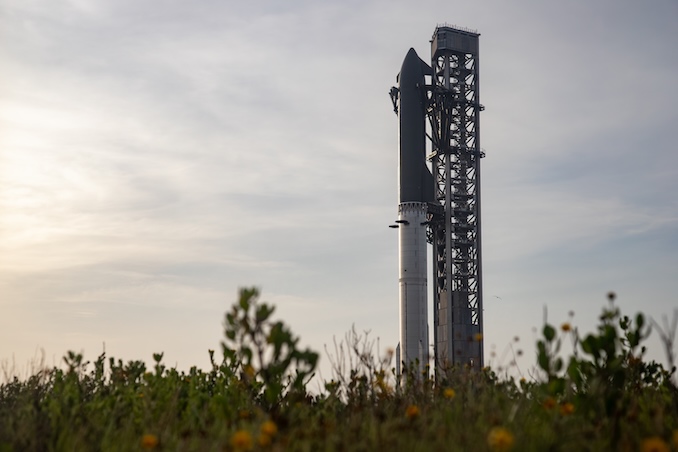
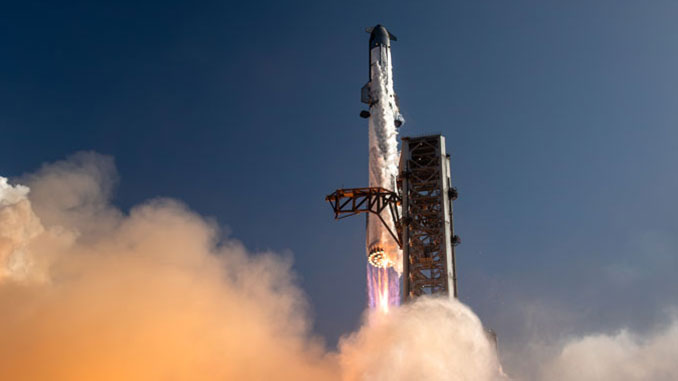
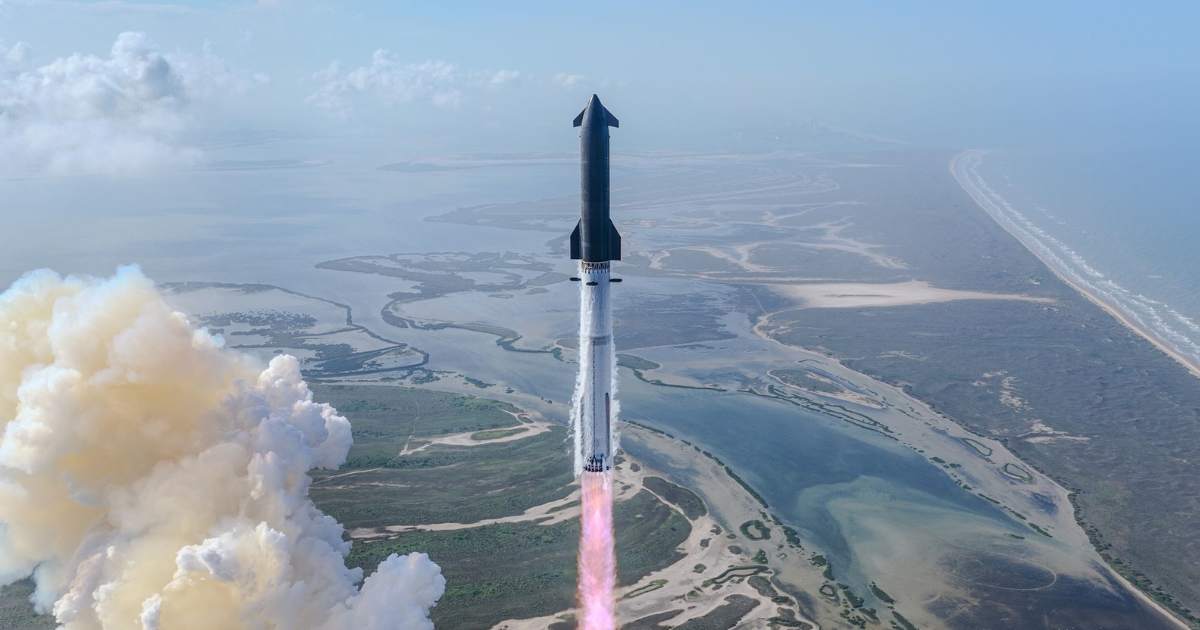
CAPE CANAVERAL, Fla. — SpaceX is closing in on a milestone that would reshape how often the world's most powerful rocket flies: the first Starship launch from Florida. Ground crews at Kennedy Space Center's Launch Complex 39A have spent the past several months bringing the pad toward operational status, and the company and the U.S. Space Force now point to a possible debut before the end of 2026.
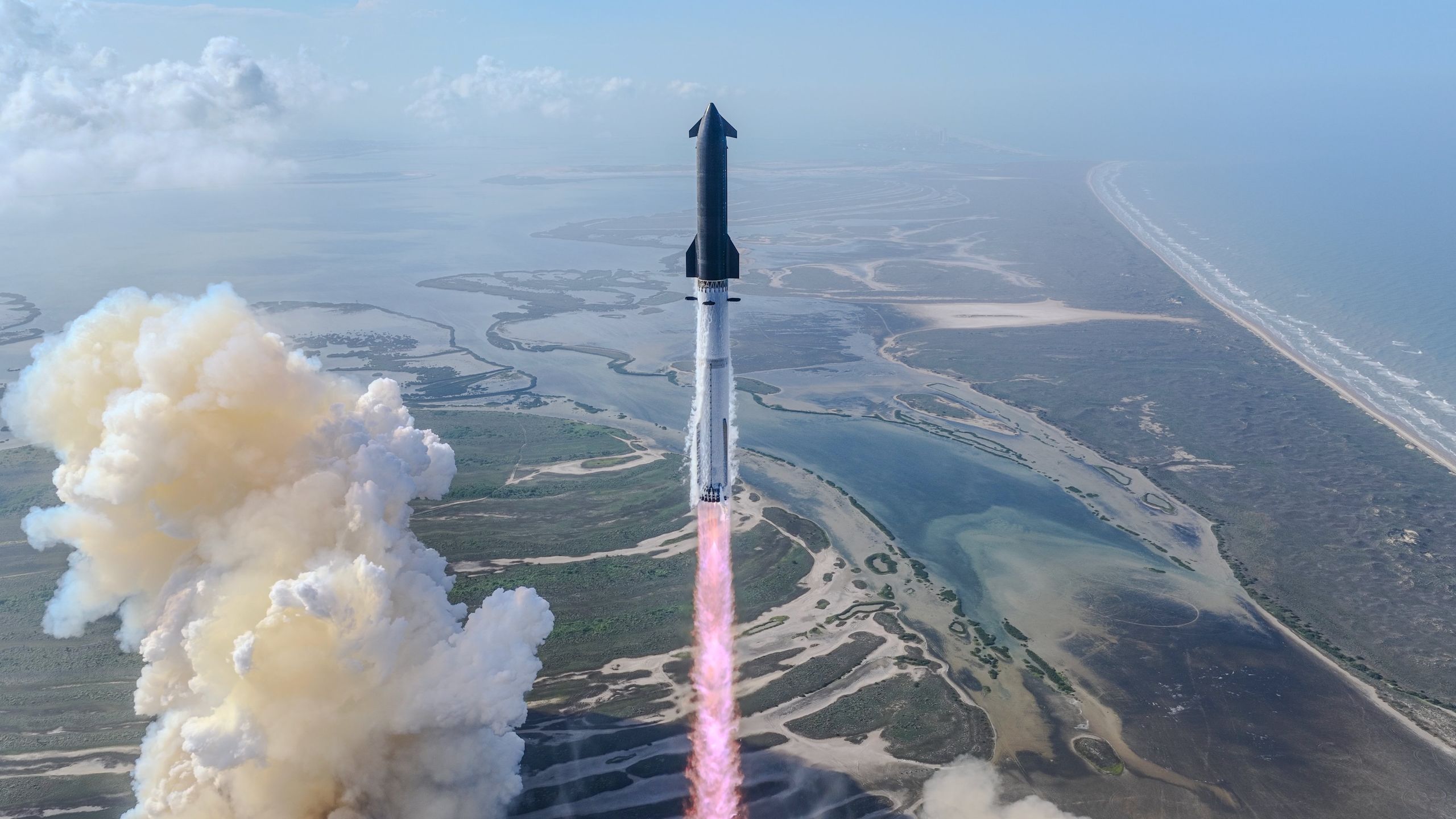
The push comes as SpaceX keeps stacking wins in Texas. Just days ago the program logged another mostly successful Starship test flight, landing both stages and deploying its first operational batch of next-generation Starlink satellites. Florida is the next front, and the signs of progress are physical and specific.
A Pad Coming to Life
Since work at LC-39A resumed in early 2025, the site has moved from steelwork to system-level testing. Crews have begun ridge-cap and bucket-deluge testing, two of the final checks before a pad can host a full-scale vehicle. Observers tracking the site say those tests suggest the launch mount is only months from readiness.
A short drive away, SpaceX's massive Gigabay assembly building is nearly enclosed. As of late July the structural steel is complete, the cladding and roof are almost finished, and both smaller doors are installed, with work continuing on the two large doors through which finished vehicles will roll to the pad. Together, the pad and the factory give SpaceX an East Coast Starship base rather than a single launch mount.
Why Two Coasts Matter
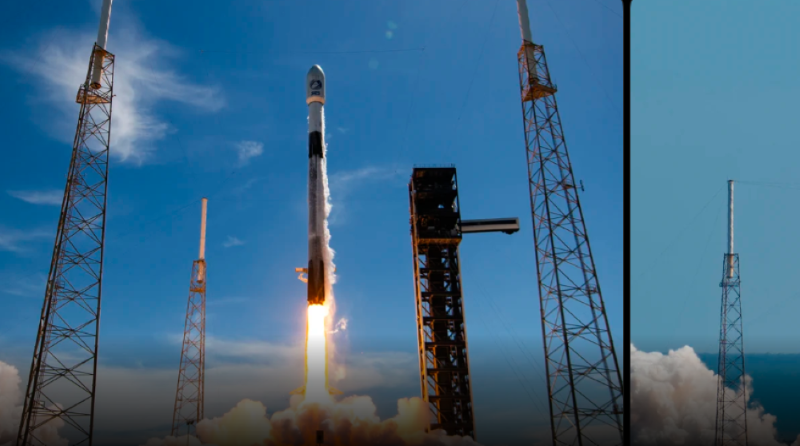
Operating Starship from both Texas and Florida would let SpaceX run launch campaigns in parallel instead of waiting for one pad to reset between flights. That is the same playbook that turned Falcon 9 into a near-weekly workhorse, and it is central to the company's plan to fly Starship at a cadence measured in dozens of missions a year. SpaceX has already begun steering its manifest toward Starship, recently closing new Falcon 9 bookings past 2028 as it pivots capacity to the larger vehicle.
A Florida pad also unlocks new orbital geometry. From the East Coast, Starship can more easily reach polar and high-inclination orbits, which matters for replenishing and expanding the Starlink constellation and for national-security payloads that need specific trajectories. Coming off the successful Flight 13 campaign that deployed the first V3 Starlink satellites, the ability to launch heavier V3 spacecraft from two sites would accelerate the buildout of global gigabit coverage.
The Road Ahead
Nothing about a first Florida launch is trivial. LC-39A is historic ground — the pad that sent Apollo crews to the Moon and still supports crewed Dragon flights — so SpaceX must integrate Starship operations without disrupting NASA missions. Detailed reporting from NASASpaceflight on the Florida campaign notes the remaining door and deluge work as the pacing items.
Still, the trajectory is clear. If the deluge and integration testing hold to schedule, SpaceX could light up the East Coast with Starship in late summer or early fall, turning a single-site test program into a two-coast operational system — and moving the company a large step closer to routine, high-cadence flights to orbit, the Moon and, eventually, Mars.