Live Robotaxi Rollout2,201Tesla
robotaxis
  • Bay Area, CA1,655 Model YsSafety driver
  • Texas546 (126 Cybercab · 420 Model Y)Driverless
  • Miami, FLModel Y fleet · count not disclosedDriverless
  • Orlando, FLModel Y fleet · count not disclosedDriverless
  • Tampa, FLModel Y fleet · count not disclosedDriverless
  • Las Vegas, NVPermit for up to 5,000 robotaxisApproved
  • Phoenix, AZLaunch preparations under wayComing soon

Samsung Starts Trial Production of Tesla's 2nm AI5 Chip in Texas

Samsung has begun trial production of Tesla's next-generation AI5 chip on a 2nm process at its Taylor, Texas fab, keeping the powerful new processor on track for volume production in 2027.

3 min read
Samsung Starts Trial Production of Tesla's 2nm AI5 Chip in Texas

AUSTIN, Texas — Tesla's next-generation brain is taking shape on American soil. Samsung has begun trial production of Tesla's AI5 chip at its new fab in Taylor, Texas, using a cutting-edge 2-nanometer process, semiconductor-industry sources say — a milestone that keeps the powerful new processor on track for volume production in 2027.

The Taylor facility is now running prototype wafers on several lines as part of the calibration phase, the step that precedes full mass-production verification. It is a concrete sign of momentum for a chip Elon Musk has positioned as central to Tesla's ambitions in self-driving, robotics and AI computing.

A Made-in-Texas AI Engine

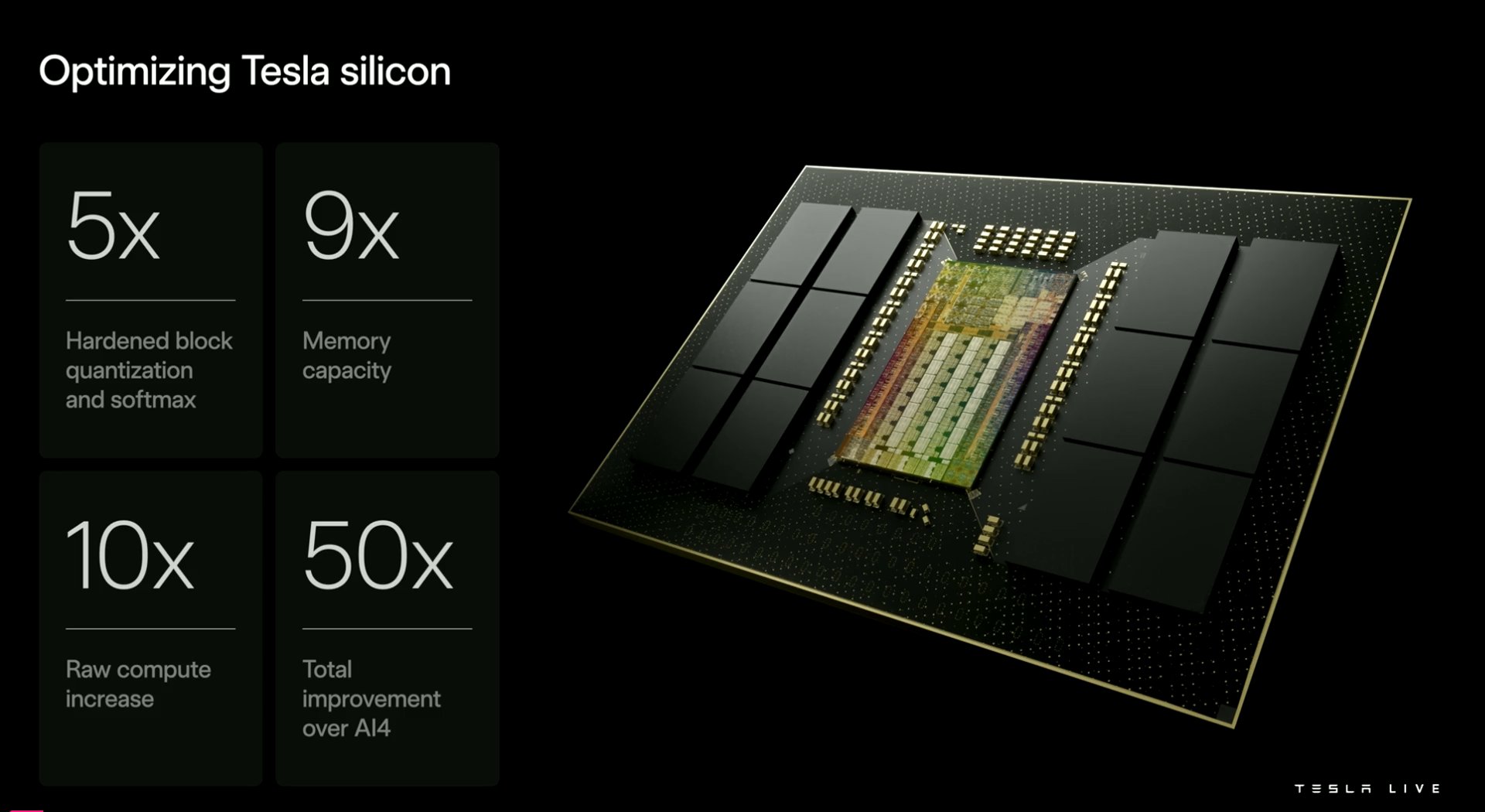
The AI5 is Tesla's answer to the limits of its current AI4 hardware. According to specifications Tesla has shared with investors, AI5 is designed to deliver roughly nine times the memory bandwidth and a 50x total improvement over AI4, along with several times the raw compute of two AI4 chips combined. Musk has gone further, claiming the chip will rival Nvidia's data-center GPUs while costing a fraction as much and drawing far less power.

Producing it on Samsung's 2nm node in Texas is notable in itself. The industry had assumed Samsung's most advanced line was reserved for the follow-on AI6 chip, so seeing AI5 move onto 2nm signals both confidence and an accelerated timeline. The work follows Tesla and Samsung's broader push to make Texas a hub for Tesla's future AI hardware, backed by a multibillion-dollar supply agreement.

Robots and Data Centers First

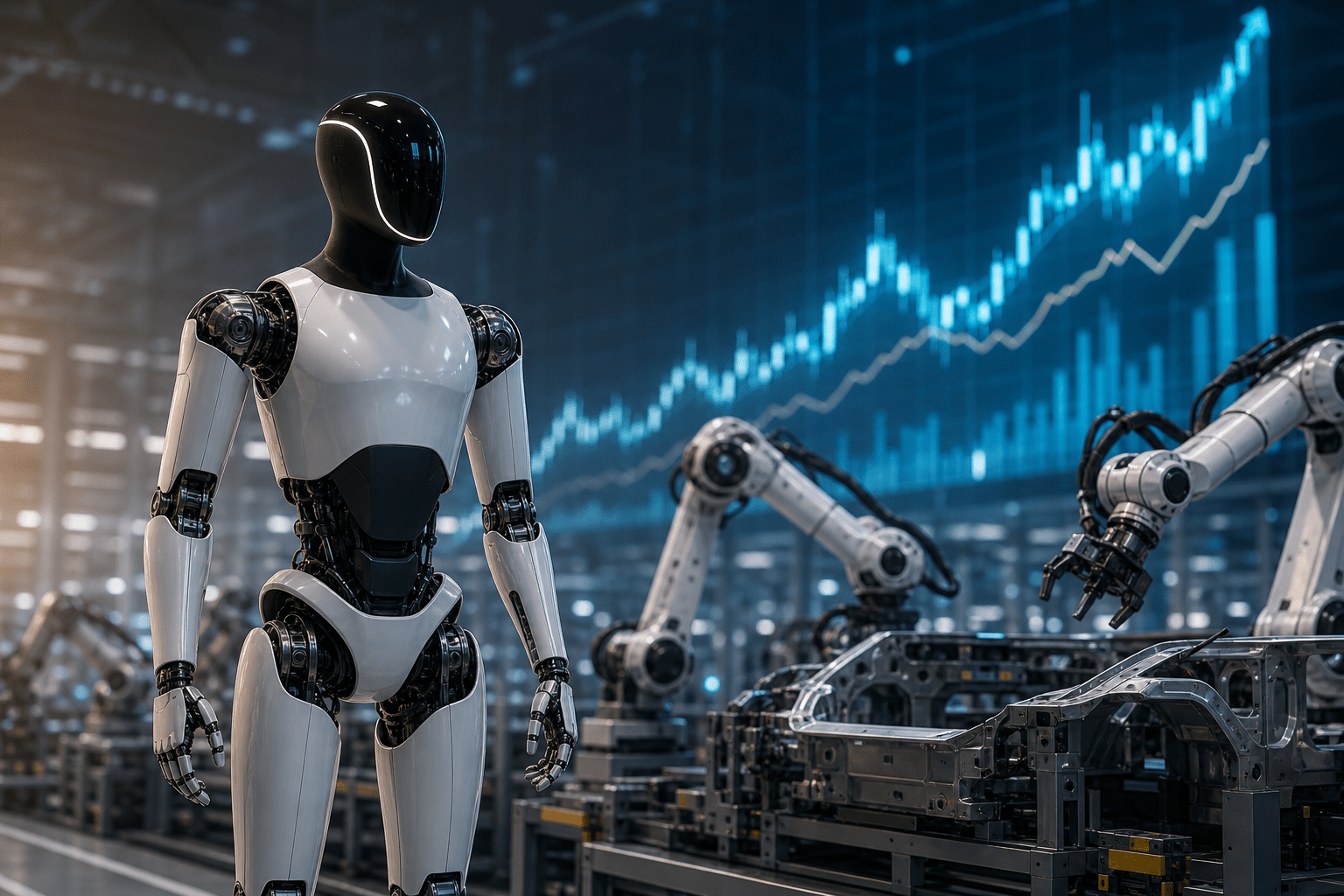
Tesla has been clear about where AI5 lands first. Rather than rushing it into cars — where Musk says the existing AI4 computer already has the headroom needed for unsupervised driving — the company plans to deploy AI5 initially in data centers and in the Optimus humanoid robot before it eventually reaches vehicles.

Samsung Starts Trial Production of Tesla's 2nm AI5 Chip in Texas — additional image

That sequencing lines up with Tesla's aggressive robotics roadmap, including its plan to ramp toward 15,000 Optimus units and first customer shipments. More on-board compute is exactly what a humanoid needs to perceive and act in the real world, and AI5 is built to provide it.

Why the Milestone Counts

Trial production does not mean finished chips are shipping tomorrow. Samsung is targeting mass-production verification by the end of 2026, with full-scale supply expected in 2027, and Musk has said Tesla needs hundreds of thousands of completed AI5 boards on hand before switching over. But moving from tape-out to working prototype wafers is the hard part — it proves the design can actually be built at an advanced node.

Domestic production also strengthens Tesla's supply chain resilience, reducing reliance on overseas fabs for the silicon that will power its most advanced products. It complements the company's vehicle-side AI progress, such as the safety gains rolling out with FSD v14.3.9's automatic collision evasion.

The Road Ahead

With Samsung's Texas line humming and TSMC preparing its own AI5 output in Arizona, Tesla is lining up two advanced American sources for the chip that will underpin its next decade of AI. If the 2027 ramp holds, AI5 could give Tesla a compute advantage measured not just in performance, but in cost and power efficiency — the metrics that decide who wins the AI race.