AUSTIN, Texas — Tesla is quietly wiring its smartphone app for a future with humanoid robots in it. New code discovered in a recent Tesla app update contains the first-ever references to Optimus, a strong signal that the company is preparing to put its robot in customers' homes.
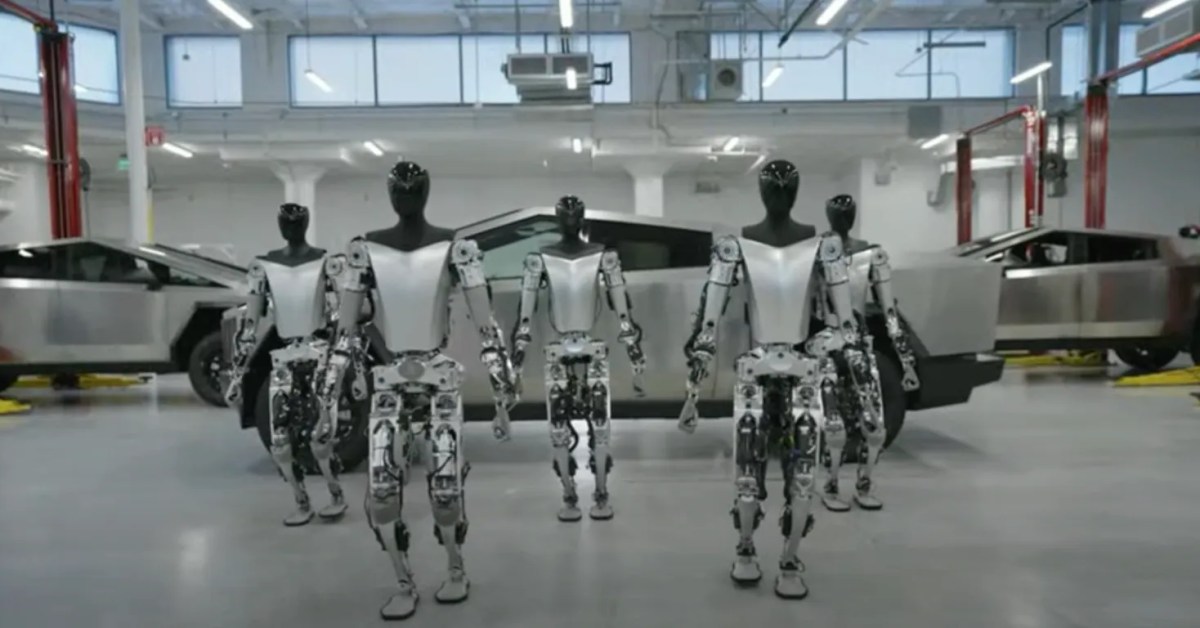
The strings, first surfaced by the tracking account Tesla App Updates, point to features built specifically for a consumer robot rather than a lab prototype. It is the software side of the same push that has Tesla converting a Fremont line to build Optimus at scale, and it arrives as Elon Musk continues to describe Optimus as potentially the best-selling product of any kind in history.
A Phone Key Built for Robots
The most telling addition is a dedicated Bluetooth Low Energy authentication system for robots. In the same way a Tesla owner's phone already acts as a key for the car, the app is being set up to pair with a whitelist of authorized devices for anything Tesla classifies as a robot — Optimus first, and potentially Robotaxi vehicles identified as part of the autonomous fleet.
Functionally, that means a robot will only respond to devices its owner has explicitly authorized. It is a straightforward but important security layer, closing off low-level and face-value threats before a product that can move around a home ever ships.
Consent, Cameras, and a Home Neural Network
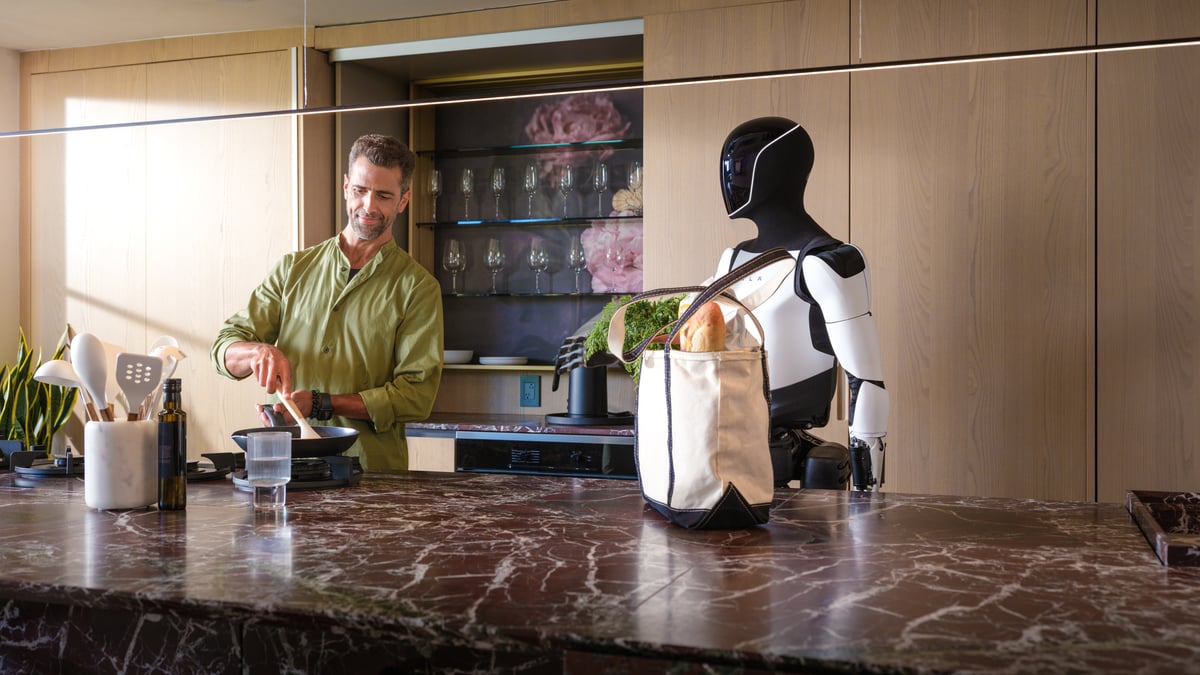
The update also includes a consent screen asking owners to allow collection of video and spatial data while Optimus performs in-home tasks — everything from vacuuming and washing dishes to dusting. In effect, it lays the groundwork for a household-level neural network, letting each robot learn the specific layout and routines of the home it works in.
Tesla is pairing that with a comprehensive alert system that tracks status conditions like low battery and potential mechanical issues, the kind of monitoring owners already expect from the features Tesla keeps adding to its app. Most of the other changes in the update relate to the 2026 Summer Update, but the Optimus mentions stand out as genuinely new.
Why It Matters
Code strings are not a product launch, but they are rarely accidental. Tesla tends to build the plumbing months before a feature goes live, and app-side scaffolding for authentication, consent, and alerts is exactly what a shippable consumer robot needs before it reaches a single doorstep.
Coming on the same day Tesla reports second-quarter earnings — a call where investors are hungry for an Optimus production number — the timing reinforces a clear message. As Teslarati reported, the pieces are quietly falling into place, and Tesla is preparing the everyday software layer that will let ordinary owners bring a humanoid robot home.