Tesla Readies a Robot to Clean Its Cybercab Fleet

A Texas permit confirms Tesla is installing an autonomous cleaning robot at its Austin Robotaxi hub, targeting one of the last human bottlenecks in running a driverless fleet.

3 min read
Tesla Readies a Robot to Clean Its Cybercab Fleet

AUSTIN, Texas — Tesla is moving to automate one of the last remaining human touchpoints in its robotaxi operation: cleaning the cars. A newly surfaced Texas building permit confirms the company is installing an autonomous cleaning robot at its Austin Robotaxi hub, alongside Supercharger cabinets and an automated inspection system.

The state filing with the Texas Department of Licensing and Regulation lists the scope of work at Tesla's facility on East Ben White Boulevard to include a "Cleaning Robot," and was first spotted by Tesla watchers and detailed by Teslarati. The address functions as Tesla's Austin Robotaxi hub, roughly 12 miles from Gigafactory Texas, where fleet vehicles return between rides to charge, get cleaned, and be inspected before heading back out.

Solving the utilization problem

The business case comes down to arithmetic. A robotaxi earns money only when it is carrying passengers, and every minute a vehicle waits for a human cleaning crew is a minute it is not generating revenue. A robotic arm that can vacuum, collect trash, and wipe down a cabin in under two minutes removes a bottleneck that no autonomous-vehicle operator has solved at scale.

Tesla first teased the hardware in January 2025, posting a short clip of a robotic arm working inside a Cybercab cabin with the caption "This robot sucks." The permit suggests that concept is now becoming physical infrastructure, part of a closed loop in which a car can drop a rider, route itself back to the hub, recharge, get cleaned, pass inspection, and return to service without a person making a single decision.
Tesla Readies a Robot to Clean Its Cybercab Fleet — additional image

Part of a bigger buildout

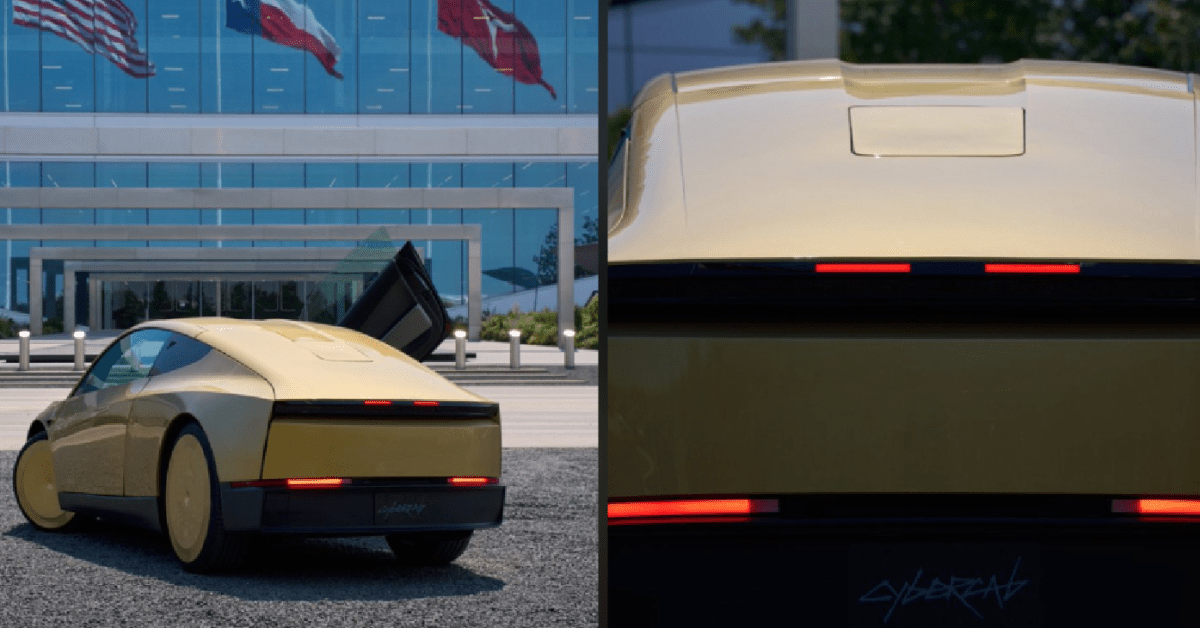
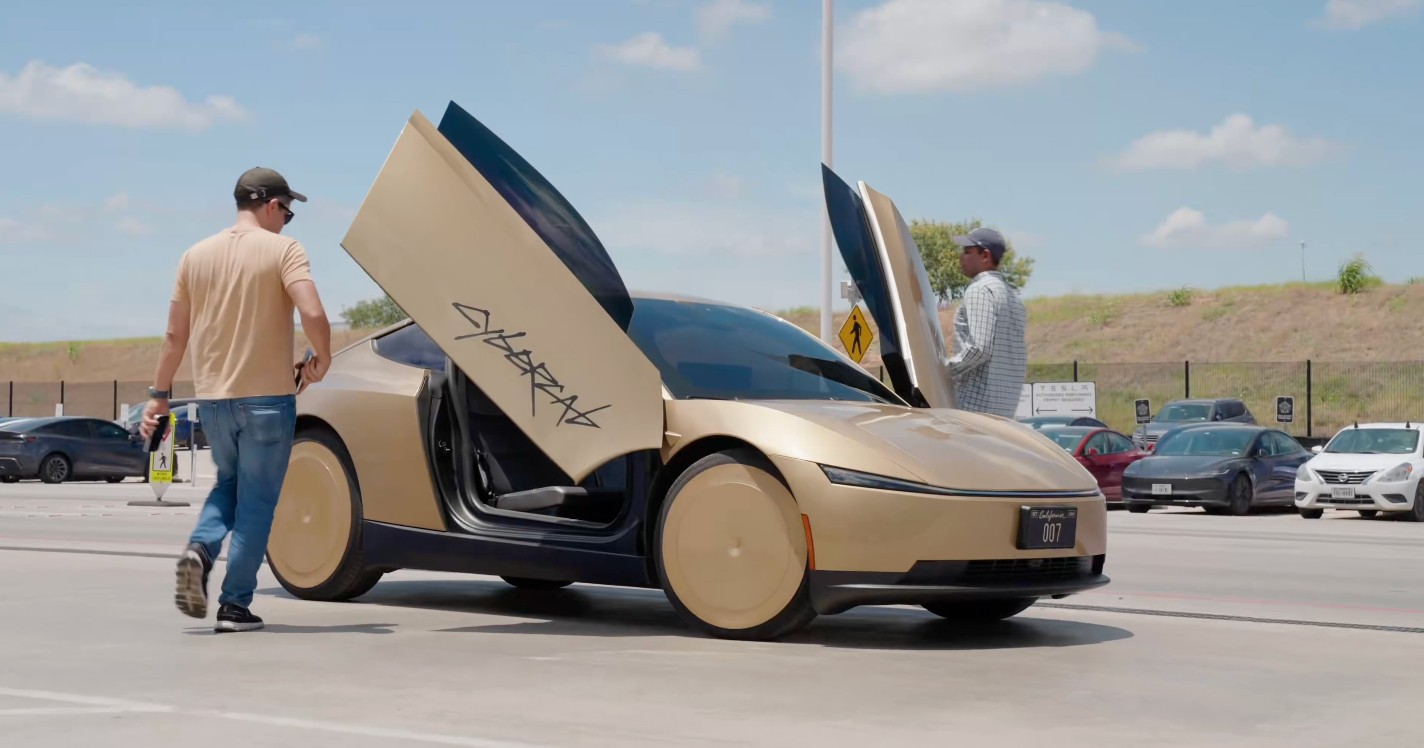
The cleaning robot slots into a rapidly expanding autonomy stack. Tesla recently began Cybercab employee rides at Giga Texas, putting workers inside the two-seat, controls-free vehicle it designed specifically for ride-hailing. The Robotaxi service itself, meanwhile, has grown from its Austin debut into fully driverless operation across several markets.

Each piece of that system, from the Cybercab to the Supercharger cabinets to the inspection bay, is aimed at removing human labor from the loop. Automated cleaning is a small but telling addition, because it targets the unglamorous logistics that determine whether a driverless fleet can actually run around the clock.

The economics of a self-running fleet

Tesla's long-term robotaxi math depends on maximizing the hours each vehicle spends earning. Hardware that keeps cabins clean and cars inspected without dispatching staff pushes utilization higher and cost per mile lower, the two levers that decide whether autonomous ride-hailing becomes a genuine profit engine. As the Cybercab moves toward public rides and the fleet scales, the quiet installation of a cleaning robot in Austin is a reminder that Tesla is engineering not just the car, but the entire system that keeps it moving.