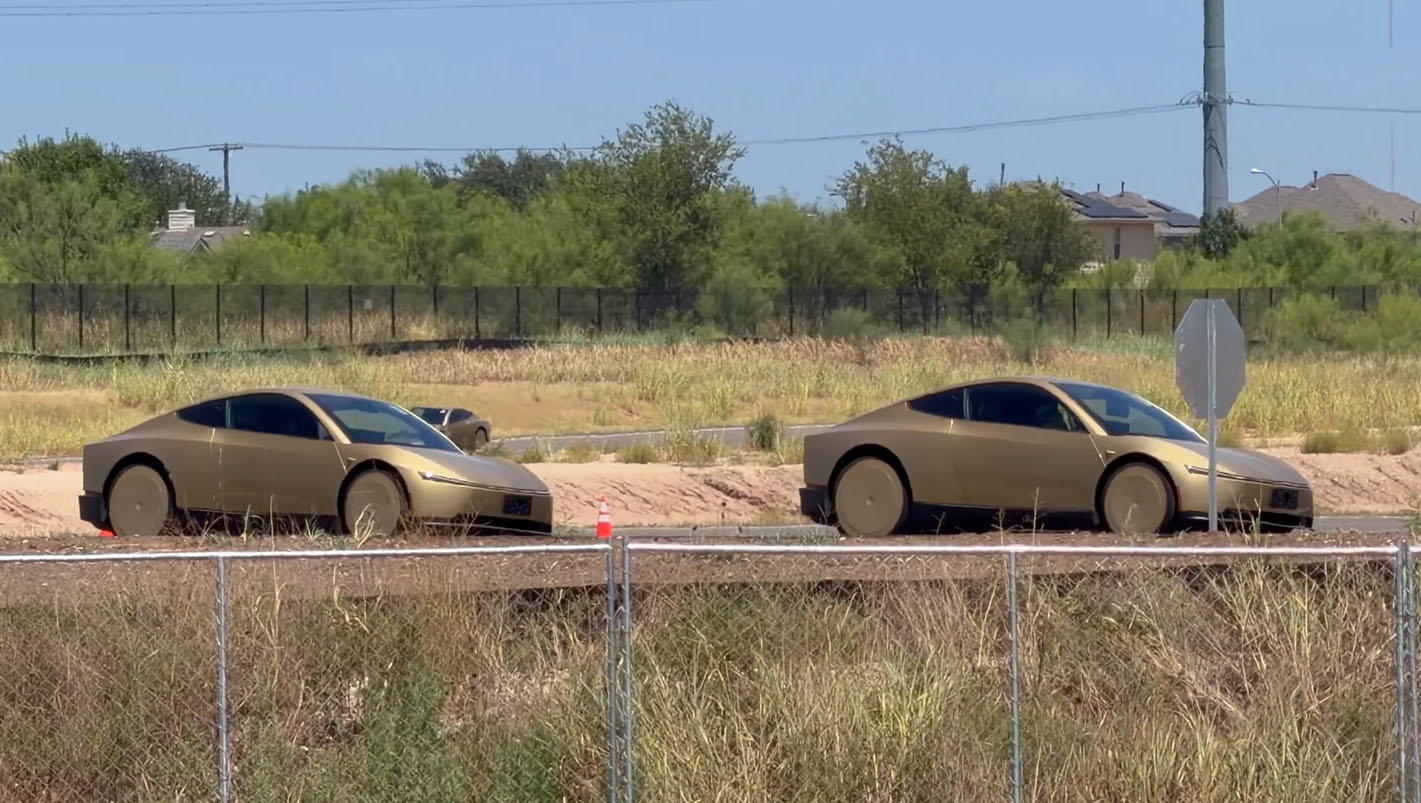
AUSTIN, Texas — Days before its public debut, Tesla's Cybercab is being put through its paces. The company has been spotted running its purpose-built robotaxi through complex, multi-lane stop-sign intersections on the test track at Gigafactory Texas, letting the vehicle rehearse tricky right-of-way decisions on the latest version of Full Self-Driving.
Rehearsing the Hard Cases
Multi-lane stop signs are among the trickiest scenarios for any driver, human or machine: multiple vehicles arriving nearly simultaneously, subtle right-of-way etiquette and the need to inch forward assertively without being reckless. Footage from Giga Texas shows Cybercabs practicing exactly these situations, with the vehicles refining their behavior on FSD v15 ahead of the Austin launch.
The testing underscores how deliberately Tesla is approaching the Cybercab rollout. Rather than rushing a two-seat car with no steering wheel or pedals onto public streets, the company is banking edge-case reps on a controlled track first — the kind of methodical validation that builds confidence in a driverless system.
FSD v15 Steps Up
The rehearsals are powered by FSD v15, which Tesla has described as a meaningful leap over prior releases. The company has said the update is already being tested in the Robotaxi fleet and that it brings several distinct areas of improvement, part of a broader effort to unify and strengthen its self-driving stack. Tesla has also been consolidating FSD across its hardware generations, ensuring a common capability baseline as the fleet scales.
