Cybercabs Stack Up at Giga Texas as Production Accelerates

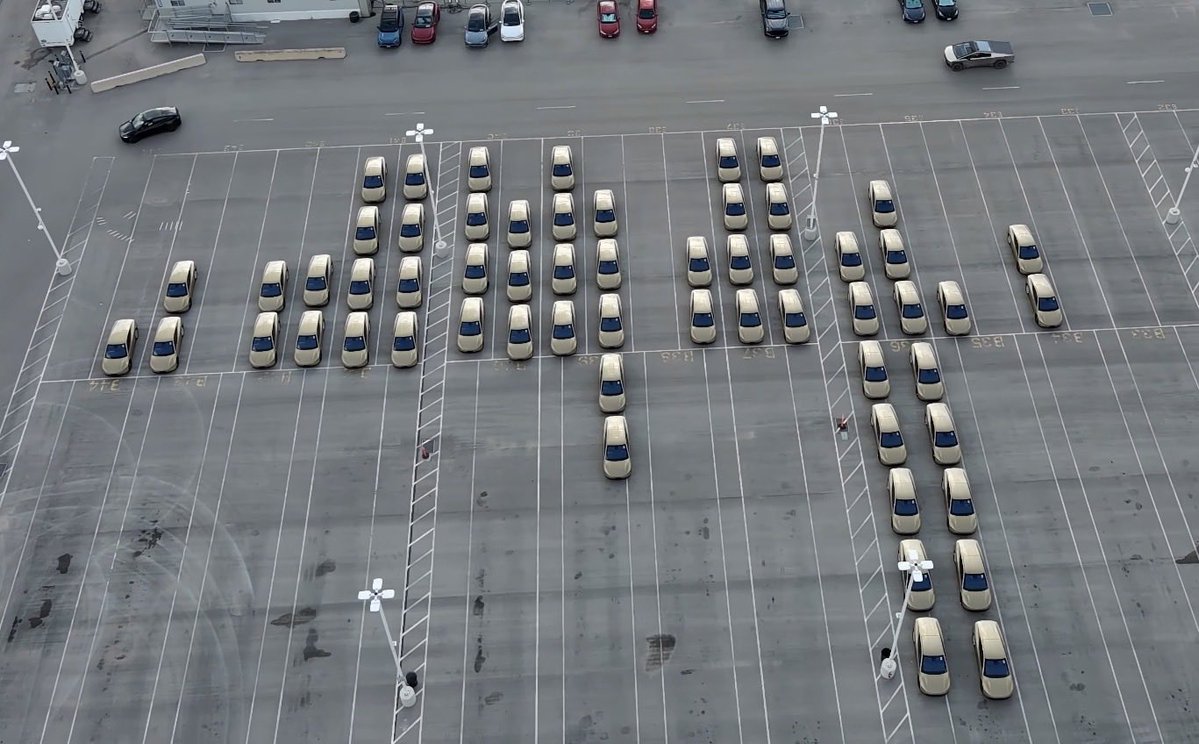
More than 100 Cybercabs have been spotted staged at Gigafactory Texas, evidence that Tesla's purpose-built robotaxi is moving firmly into volume production.

3 min read
Cybercabs Stack Up at Giga Texas as Production Accelerates

AUSTIN, Texas — Tesla's purpose-built robotaxi is rolling off the line in growing numbers, with more than 100 Cybercab units now spotted staged in the outbound lots at Gigafactory Texas. Drone footage and parking-lot counts have charted a steady climb — from roughly 60 units in late May to about 85, and then past 100 by mid-June — offering clear visual proof that the unboxed production process is well beyond its tentative early-year start.

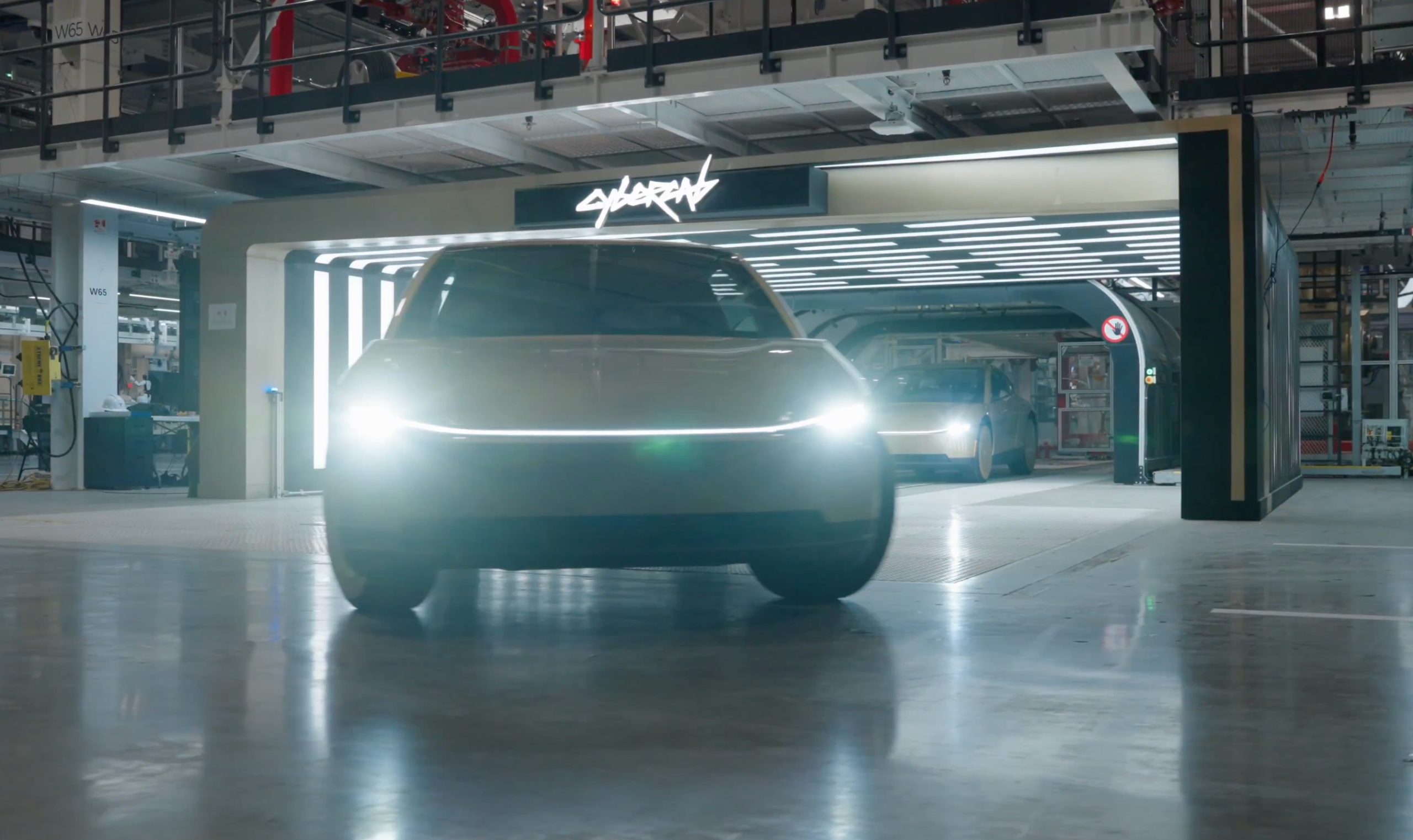
The accumulation matters because the Cybercab is not a modified existing vehicle but a clean-sheet, two-seat design with no steering wheel or pedals, built specifically for autonomous ride-hailing. Seeing it pile up in volume is the strongest signal yet that Tesla is closing the gap between prototype and fleet.

A Ramp That Tracks the Plan

The first Cybercab rolled off the line at Giga Texas in mid-February, and the count has climbed steadily since. That trajectory lines up with Tesla's own stated ambitions for the back half of the year, and it follows the company's recent move to show off its Cybercab mass-production progress as launch signals mount. The unboxed method — assembling major modules in parallel before bringing them together — is designed precisely for this kind of high-volume, low-cost output.

Tesla has paired the hardware ramp with a steady drumbeat of regulatory progress. The recent NHTSA decision to drop the brake-pedal mandate cleared one of the last federal hurdles standing between a pedal-free design and public roads, removing a key question mark over how quickly the Cybercab can enter commercial service.
Cybercabs Stack Up at Giga Texas as Production Accelerates — additional image

Built for the Robotaxi Economy

The strategic logic is straightforward. Tesla's robotaxi service in Austin has been running with Model Y vehicles while the Cybercab ramps, but the two-seater is the vehicle that makes the economics sing — cheaper to build, optimized for autonomy and designed to run with no driver at all. Each unit staged at Giga Texas represents future capacity for a service Tesla intends to scale aggressively. As Teslarati has documented, the outbound lots are filling faster than many skeptics expected.

Volume also drives cost. Tesla has long argued that the Cybercab can be produced at a price point well below a conventional car, and that advantage only materializes at scale. The growing rows of finished units suggest the company is building the inventory base it will need to flip the switch on a much larger robotaxi rollout once unsupervised software and local approvals align.

The Road Ahead

For now, the Cybercabs are accumulating rather than carrying passengers, but that is exactly how a hardware-led launch is supposed to look: build the fleet, clear the rules, then deploy. With production climbing, federal requirements easing and the Austin service already proving the model, Tesla appears to be assembling every piece it needs for a step-change in autonomous ride-hailing. The lots at Giga Texas, growing week by week, may be the clearest preview yet of what that future fleet will look like.