Live Robotaxi Rollout2,201Tesla
robotaxis
  • Bay Area, CA1,655 Model YsSafety driver
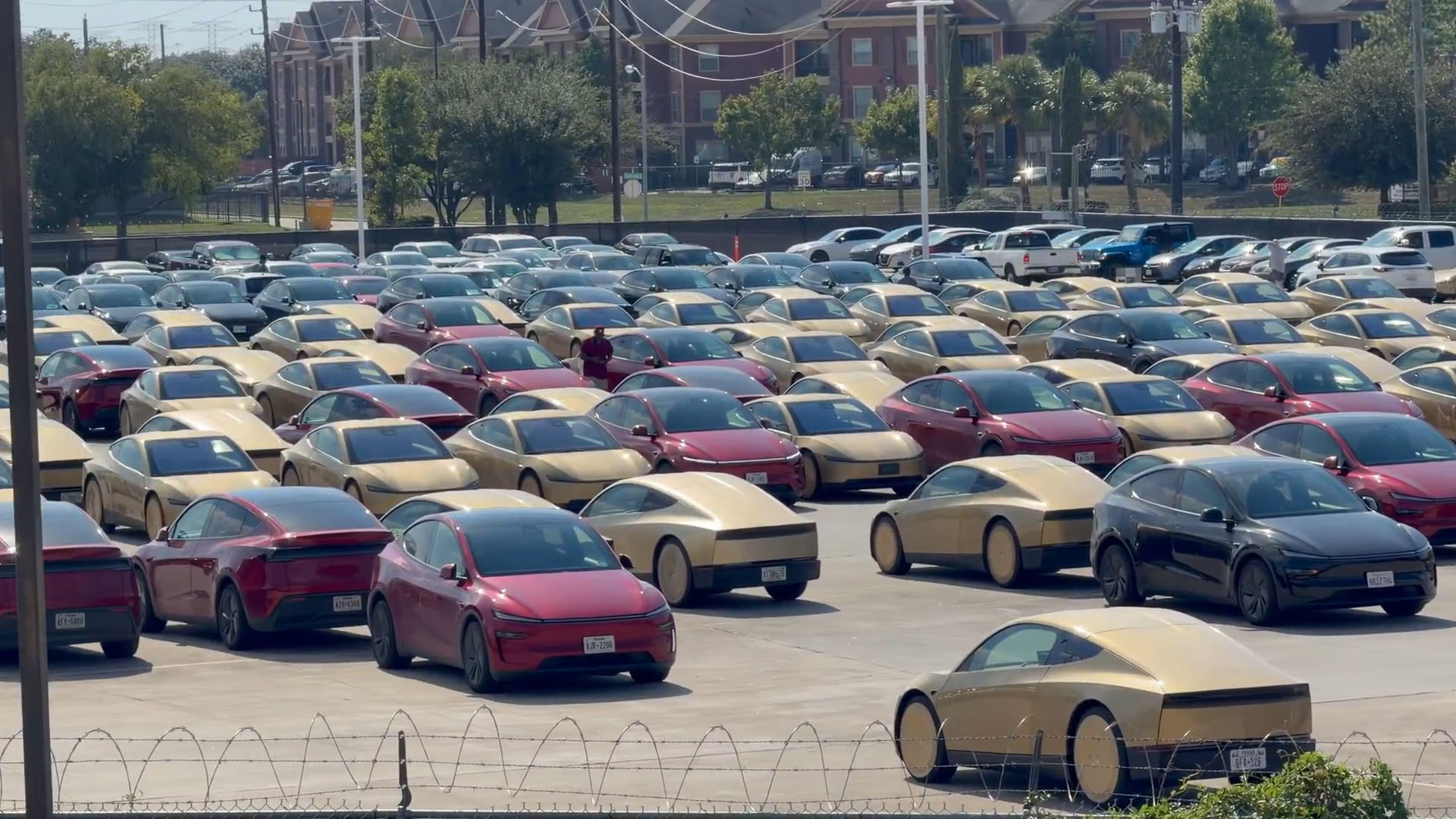
  • Texas546 (126 Cybercab · 420 Model Y)Driverless
  • Miami, FLModel Y fleet · count not disclosedDriverless
  • Orlando, FLModel Y fleet · count not disclosedDriverless
  • Tampa, FLModel Y fleet · count not disclosedDriverless
  • Las Vegas, NVPermit for up to 5,000 robotaxisApproved
  • Phoenix, AZLaunch preparations under wayComing soon

Why Cybercab Gets Starlink: Fleet Management, AI Chief Says

Tesla AI chief Ashok Elluswamy explained that Cybercab's built-in Starlink is about fleet management and customer service, not passenger Wi-Fi.

3 min read
Why Cybercab Gets Starlink: Fleet Management, AI Chief Says

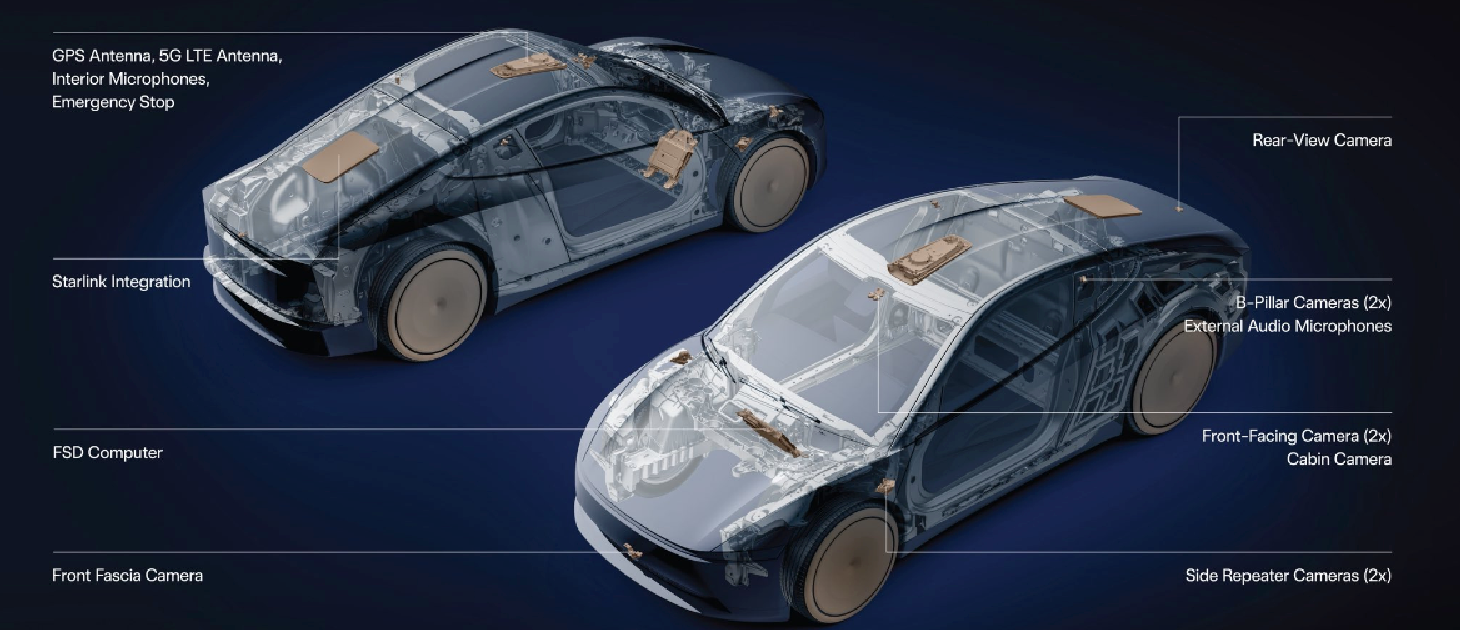
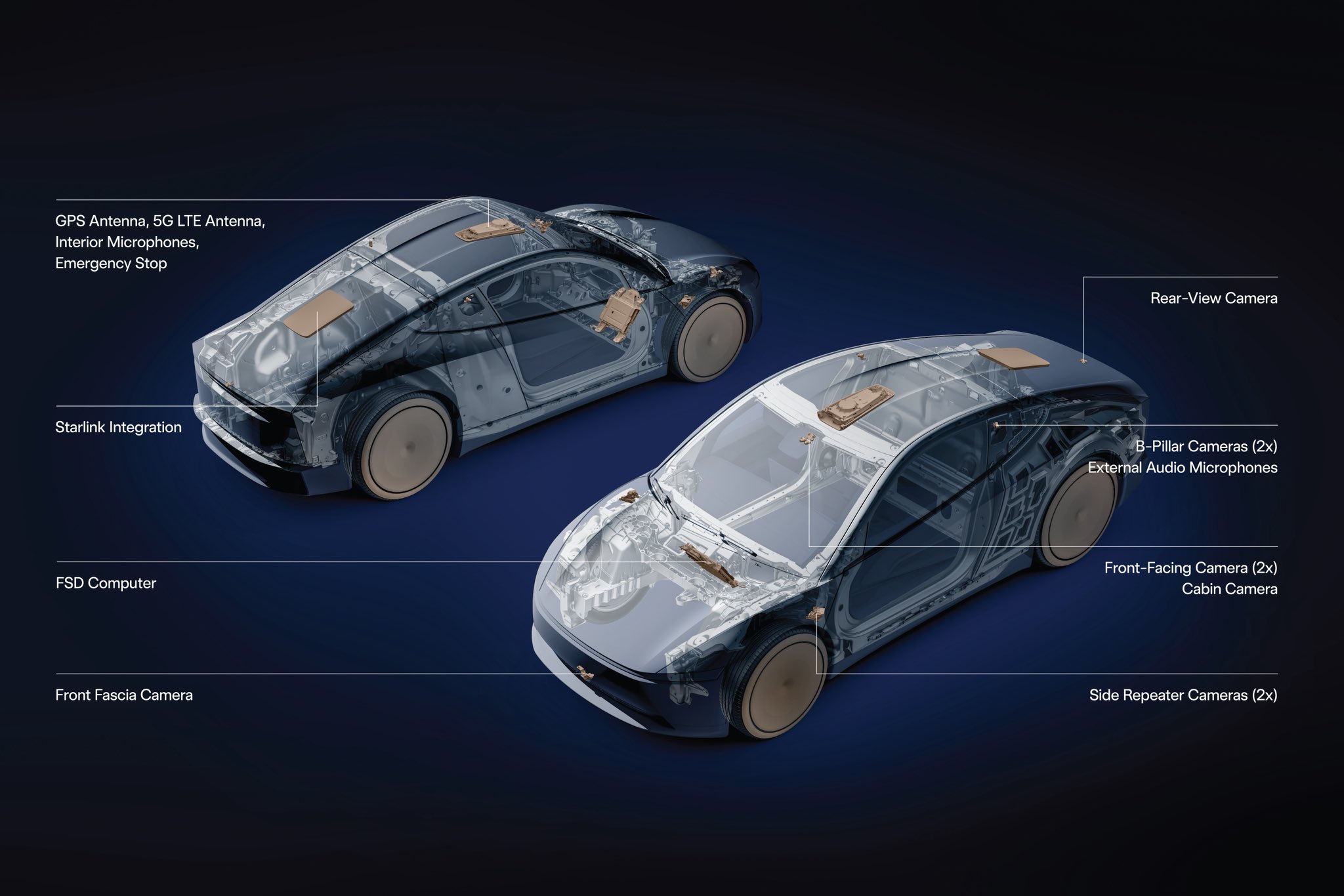
AUSTIN, Texas — Tesla''s decision to build Starlink directly into the Cybercab has a clearer purpose than many assumed, and it is not about giving riders in-car Wi-Fi. Head of AI Ashok Elluswamy explained on July 20 that the satellite link is primarily there for fleet management, navigation and customer service, the connective tissue Tesla needs to run a driverless robotaxi network at scale.

The clarification came a day after Tesla confirmed it would integrate next-generation Starlink terminals into the Cybercab, a move fans had long expected for a vehicle designed to give rides with no one behind the wheel. It builds on the milestone that made the Cybercab the first Tesla with built-in Starlink.

Connectivity for the Fleet, Not the Couch

"It is still not required for safe operation of the vehicle," Elluswamy said. "Connectivity is primarily meant for navigation, customer service and, in general, fleet management." In other words, the satellite link keeps Tesla in constant contact with every car in the robotaxi fleet, so the company can route vehicles, reach riders and resolve issues wherever a car happens to be.

That matters most when there is no driver in the cabin. A robotaxi operating on its own needs a reliable channel back to Tesla for support and coordination, and Starlink provides coverage that terrestrial networks can leave patchy along highways and in dead zones.
Why Cybercab Gets Starlink: Fleet Management, AI Chief Says — additional image

Built Around Safety and Reliability

Elluswamy was careful to note that connectivity is not a safety requirement, a reminder that the Cybercab is designed to drive itself safely with or without a live link. Instead, the satellite connection is about reliability and experience, ensuring a stalled question or a customer-service request never goes unanswered because a car drifted out of cellular range.

That focus tracks with Tesla''s broader emphasis on nailing its first unsupervised rides, the foundation for a credible driverless business as service reaches more cities, including the recent expansion that brought robotaxi rides to Tampa and Orlando.

A Piece of the Robotaxi Puzzle

Baking Starlink into the Cybercab is a small hardware decision with big operational implications. As Electrek detailed in its look at the integration, the terminal turns every Cybercab into a node Tesla can monitor and manage from anywhere, a capability that becomes essential as fleets grow into the thousands.

For riders, the payoff is subtler than streaming video on the go. It is the confidence that behind every driverless trip sits a company that can always reach the car and the passenger, an unglamorous but crucial ingredient in making robotaxis feel dependable as Tesla scales the service.