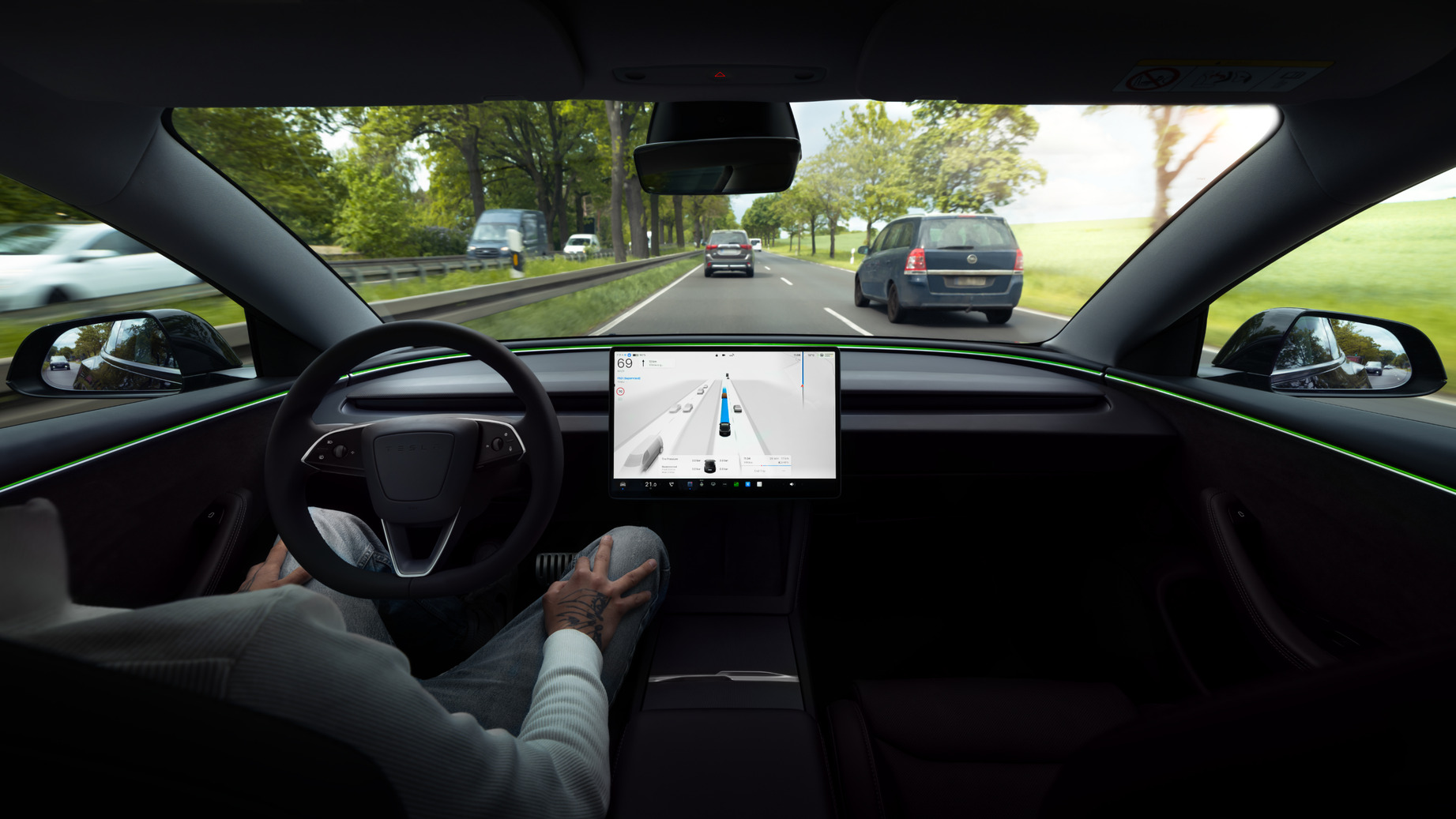
AUSTIN, Texas — Tesla has shared a striking real-world account of how Full Self-Driving and the company's connected app helped save a driver suffering a severe heart attack, a story that highlights the life-saving potential of its vehicle technology. The account, publicized by Tesla in mid-June, describes how a Model Y owner reached the hospital in time thanks to remote assistance from his son and FSD Supervised keeping the car steady on the road.
A medical emergency at highway speed
John Brandt, 55, was driving his Model Y on Interstate 20 from Atlanta toward Birmingham when he began experiencing severe chest pain. Barely conscious and unable to safely control the vehicle, he managed to call his son, Jack. With FSD Supervised engaged, the car held its lane and stayed on course while help was arranged. Tesla has repeatedly emphasized the safety record of its driver-assistance suite, a theme reflected in safety data showing FSD several times safer than manual driving.
Technology and family, working together
As an authorized driver on his father's Tesla account, Jack acted fast from his own phone. He located a cardiac-capable hospital, Tanner Medical Center in Carrollton, Georgia, and pushed the destination straight to the car through the Tesla app. The Model Y responded immediately, taking the next exit, navigating local roads, and pulling up to the emergency room entrance. Jack also called ahead so ER staff were ready when the vehicle arrived.
Doctors diagnosed a massive heart attack involving three blocked arteries and later said that without the swift reroute, Brandt likely would not have survived. He received treatment and has recovered. Only authorized users can change a vehicle's destination remotely, a safeguard that made the family coordination both secure and seamless. The episode shows how Tesla's blend of autonomy and connectivity extends far beyond convenience, a direction echoed by the company's broader autonomy push detailed in our report on the Cybercab readying for launch.
