Tesla Previews Major Safety Leap Coming With FSD v15

Tesla AI chief Ashok Elluswamy says the next major Full Self-Driving release will bring earlier hazard prediction, faster reaction times, and stronger collision avoidance.

3 min read
Tesla Previews Major Safety Leap Coming With FSD v15

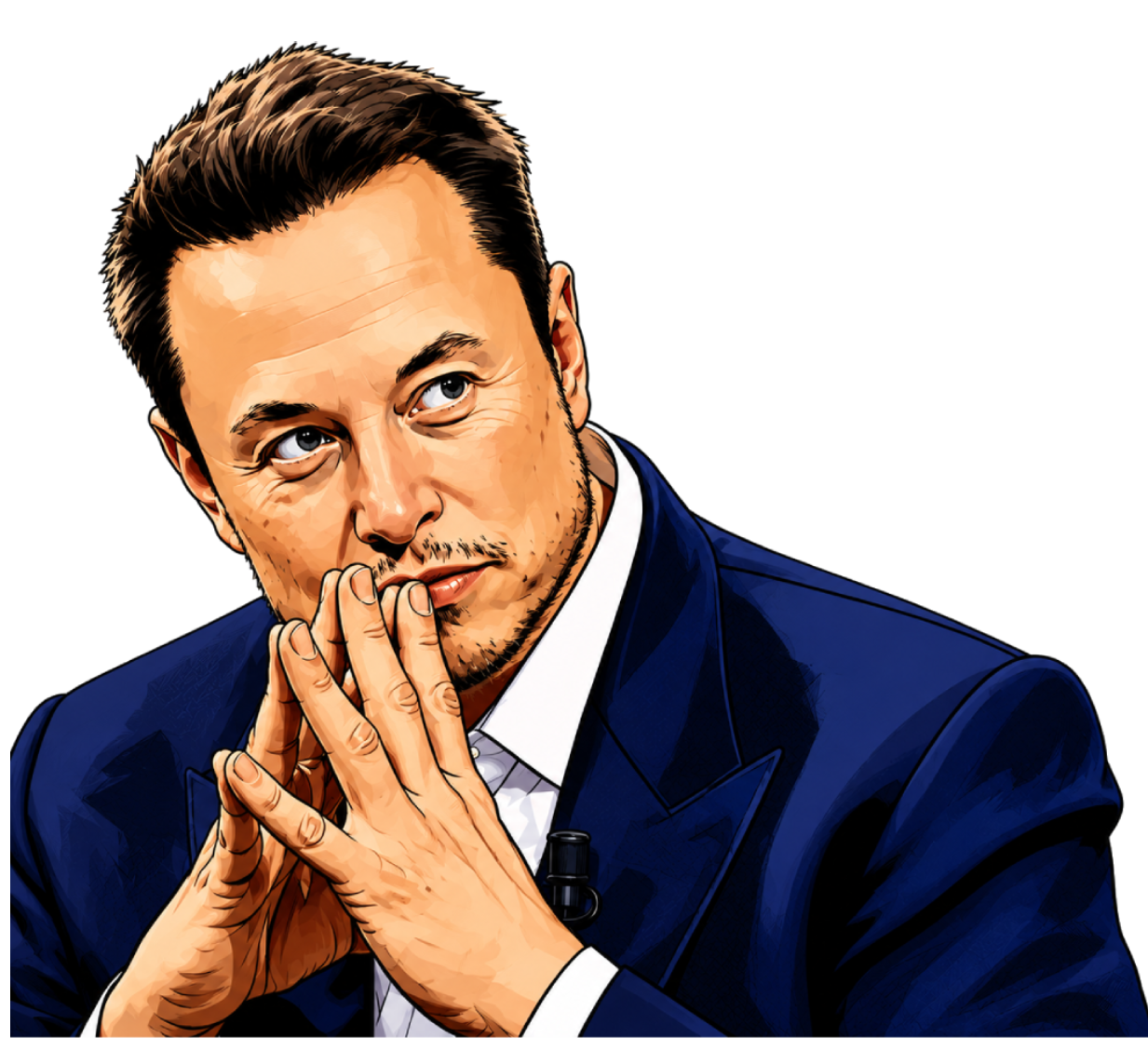
AUSTIN, Texas — Tesla is signaling that its next major Full Self-Driving release will center on safety, with AI chief Ashok Elluswamy previewing significant accident-avoidance gains coming in FSD version 15. Responding this week to a driver whose car had swerved to avoid another vehicle, Elluswamy wrote that "even earlier prediction of hazards, even faster reaction time and overall significantly better safety and collision avoidance" would arrive with the next big upgrade.

The comment lands as Tesla continues to treat software as its primary safety lever, pushing improvements to millions of vehicles over the air. It also builds on the momentum of a fleet that recently crossed a remarkable milestone, detailed in Tesla's FSD fleet topping 14 billion miles.

A bigger brain and tighter reflexes

According to Teslarati, v15 is described internally as a larger architectural step, with a much bigger neural network and tighter coupling between prediction and control. In practice, that means the car should anticipate danger sooner and act on it faster, closing the gap between the system and an alert human driver.

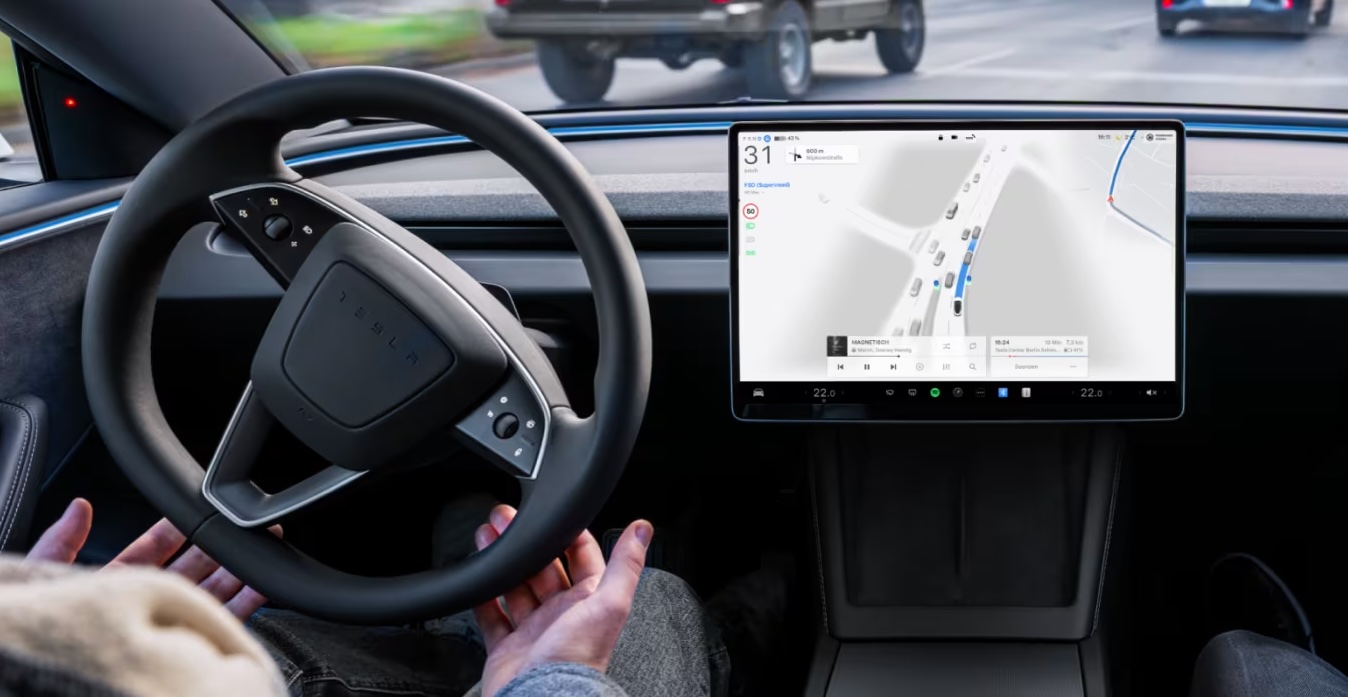
Tesla has already begun using early v15 software in some robotaxi operations while rolling out features such as Automatic Collision Evasion to customer cars, allowing the driving stack to intervene even when a driver is in manual control.

Tesla Previews Major Safety Leap Coming With FSD v15 — additional image

The numbers behind the pitch

Tesla's safety case rests on its published telemetry. In recent North American data, vehicles with FSD (Supervised) engaged traveled roughly 5.1 to 5.7 million miles between major collisions, defined as airbag-deployment events, compared with a U.S. average Tesla estimates near 699,000 miles per comparable crash.

Even on a stricter same-fleet comparison, where manually driven Teslas with active safety features log a major collision about every 2.1 million miles, FSD still shows a meaningful advantage. European figures released in 2026 pointed the same way, with Tesla reporting FSD as several times safer than manual driving across more than 100 million kilometers in five approved countries. The company's broader autonomy push, including the Cybercab program covered in Tesla's federal safety certification review, leans heavily on this data.

Widening the gap

Tesla's message with v15 is consistent: each major version is meant to widen the safety margin between its software and an unaided human. The company is not claiming risk is eliminated, but the trajectory is clear. With prediction and collision avoidance improving generation over generation, Tesla is betting that its cars will keep getting measurably safer, and that the data will keep backing it up.