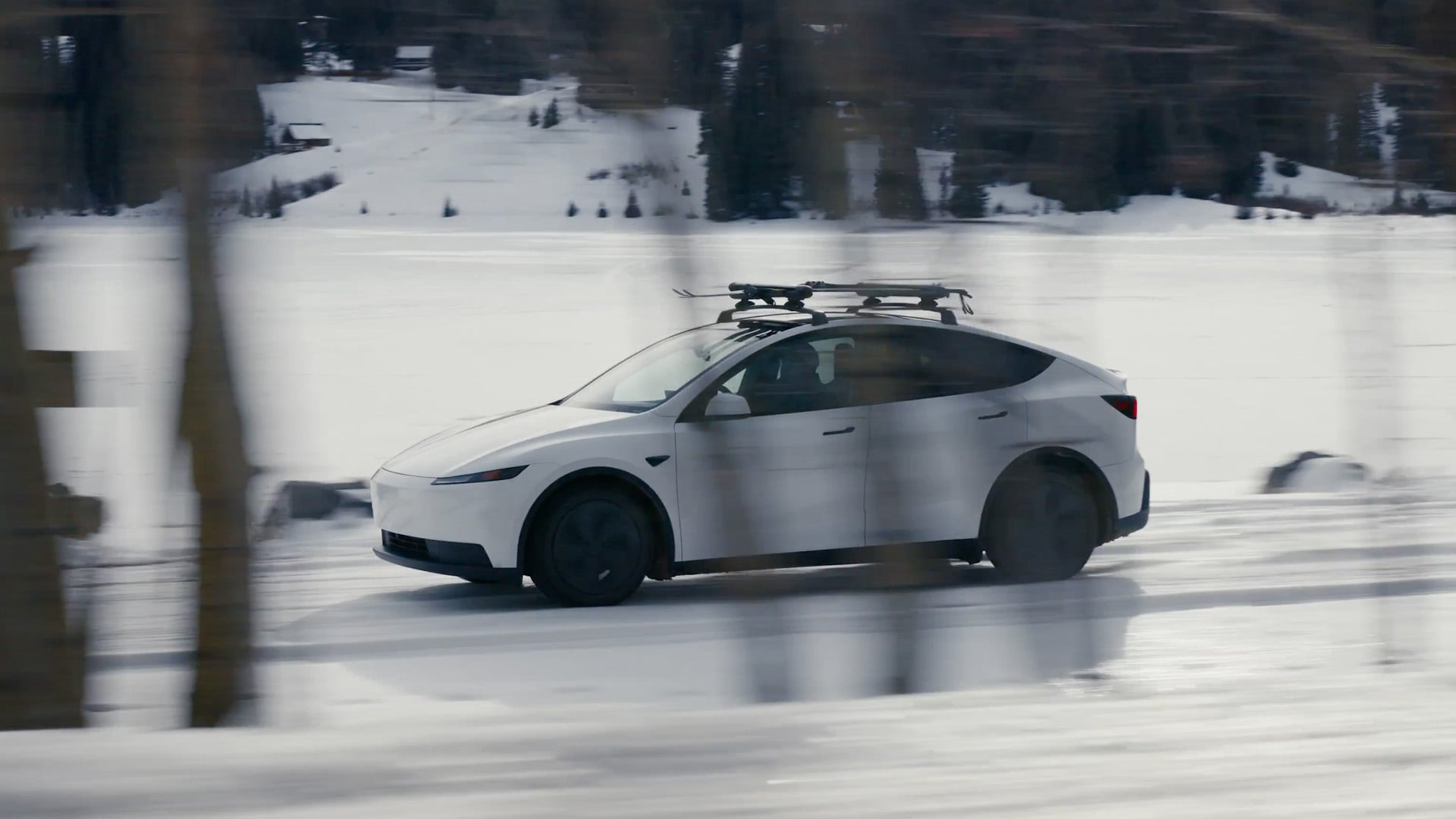
AUSTIN, Texas — Tesla is building a feature that will let drivers talk to their car in plain language and teach it exactly what to do, with the vehicle remembering those instructions for every future trip. Tesla VP of AI Software Ashok Elluswamy confirmed the effort this week on X, responding to owners who pointed out that Full Self-Driving still has no simple way to receive the kind of contextual guidance a human driver would take for granted.
Talking Your Car Home
The scenario is familiar to anyone who has watched navigation software drop a pin in the wrong spot. Owners want to be able to say something like "it is the white house on the left, just past the SUV" and have the car pull into the correct driveway — then recall that preference the next time it makes the trip. Today there is no input for that sort of hyper-local detail. Tesla intends to change that by pushing Grok, already available in Tesla vehicles, into a supervisor role that translates spoken intent into concrete driving decisions.
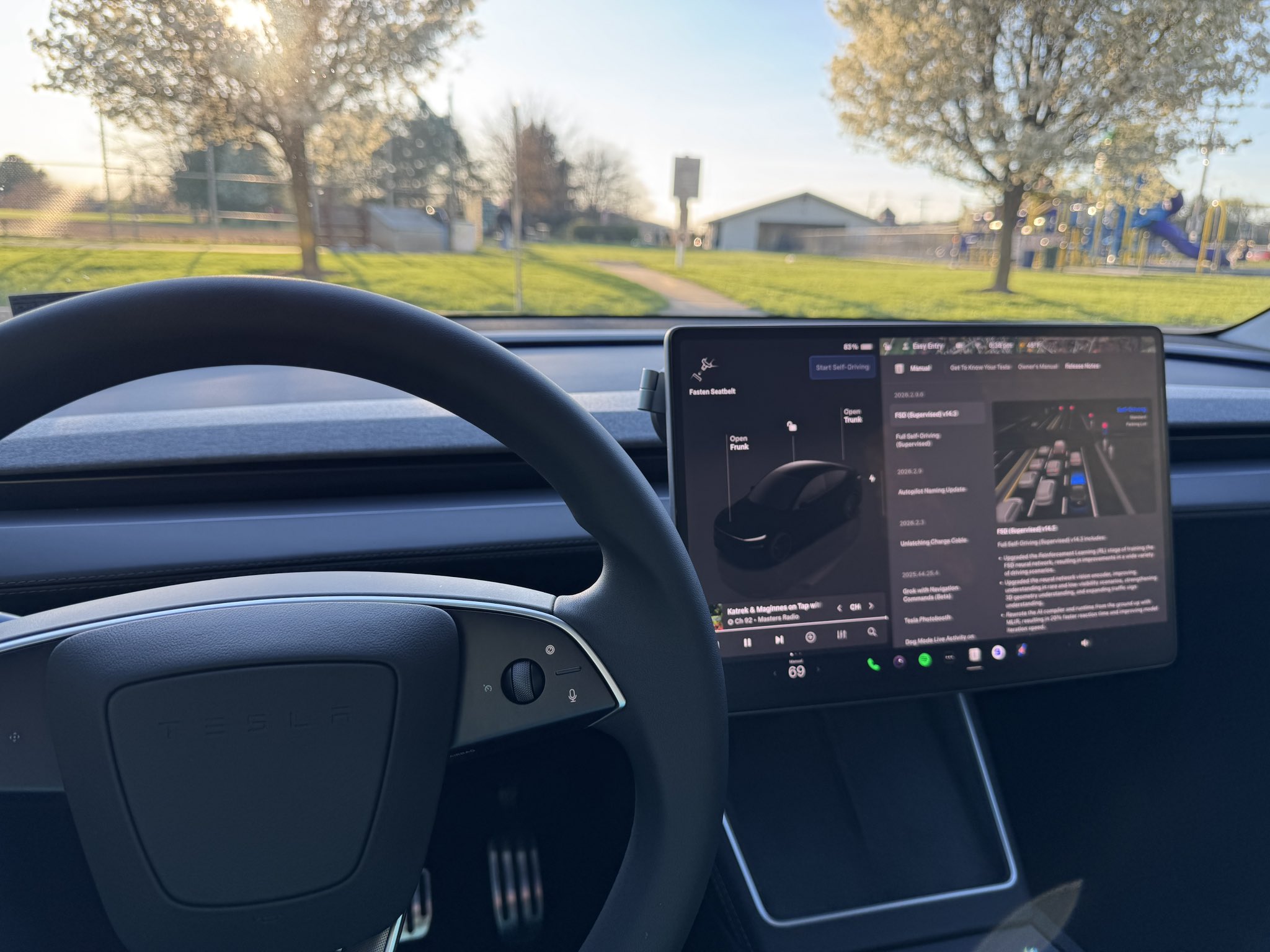
Grok has been riding along in Tesla cars since 2025, expanded to European vehicles in early 2026, and gained a hands-free "Hey Grok" wake word this spring. Until now, though, the assistant had no authority over how FSD actually drives. Lane changes, braking, speed and parking have stayed entirely inside FSD's own decision loop. The next step, Elluswamy confirmed, connects voice commands directly to the planning layer that governs those maneuvers.
A Careful Rollout
Tesla is treating the capability with appropriate caution. Elluswamy noted at a January conference that voice control "opens up an entire area of testing that we have to do. For example, you should not be able to tell the car to crash, and it should not crash." Elon Musk followed up in late June, confirming that Grok voice commands will pass to FSD's planning layer by September 2026 — a tight timeline that reflects Tesla's confidence in the underlying stack, which already lets the fleet drive more efficiently than human motorists.
Fuel for the Data Flywheel
The deeper significance is what this does for Tesla's training advantage. Every time an owner corrects FSD with a spoken instruction and the car remembers it, that interaction becomes a data point covering an edge case no simulation could have scripted. A fleet of millions of vehicles crowdsourcing which driveway, which gate, which side of the street builds a layer of geographic intelligence that rivals without a comparable fleet simply cannot match at the same speed.
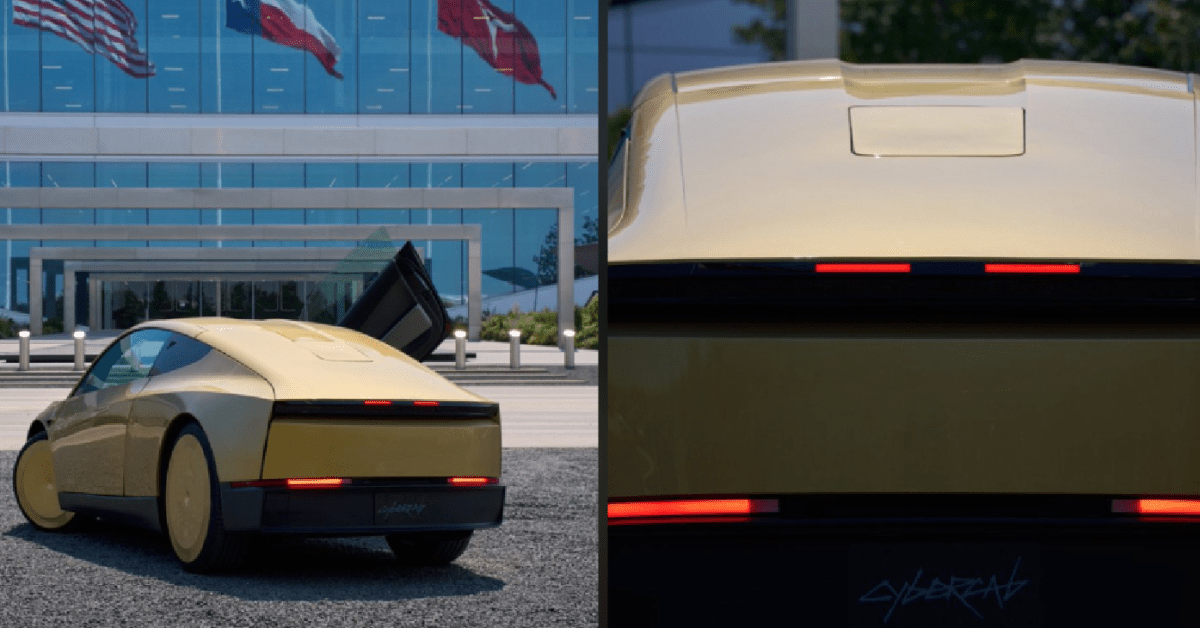
The payoff extends directly to Tesla's growing robotaxi business, which recently expanded to Miami as its third market. Voice-taught instructions tied to individual rider profiles mean a Cybercab could eventually know, before it even arrives, exactly which entrance to use, where to wait and how to handle the final hundred feet of any trip it has made before. As Teslarati reported, that is the kind of contextual mastery that turns an autonomous ride from merely competent into genuinely personal — and it is arriving within months.