Tesla Owners Rally as New Jersey Weighs Robotaxi Sensor Bill

A proposed New Jersey bill would require extra sensors for driverless fleets, and thousands of Tesla owners have mobilized in defense of the company vision-only approach.

3 min read
Tesla Owners Rally as New Jersey Weighs Robotaxi Sensor Bill

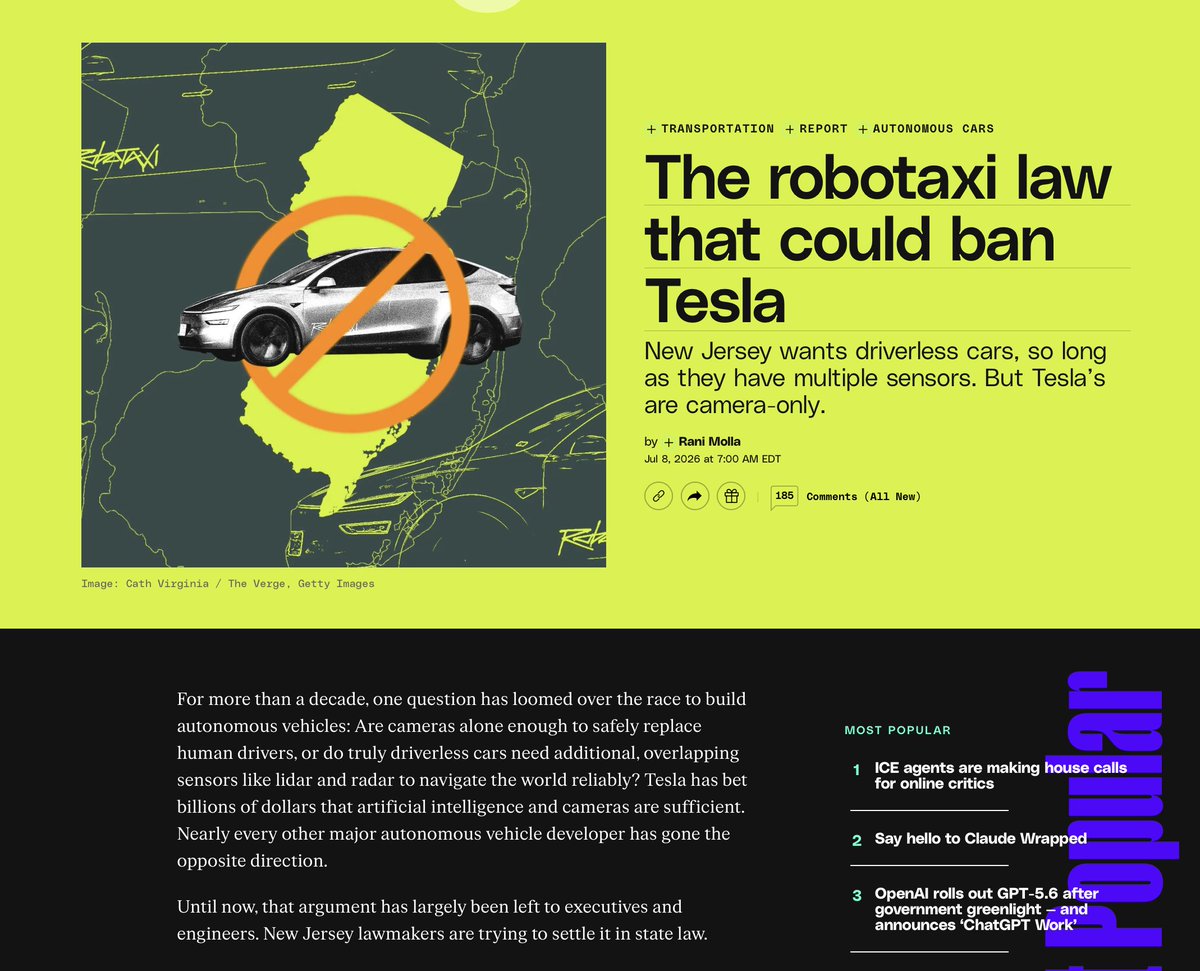
AUSTIN, Texas — A proposed New Jersey bill has put Tesla's camera-only self-driving philosophy back in the spotlight, and the company's owners have responded with a grassroots show of force. Senate Bill S1677 would require fully driverless commercial vehicles to carry cameras plus two additional sensing technologies — in practice radar and lidar — hardware Tesla has deliberately chosen to leave off its cars.

The bill is still just a proposal working its way through committee, and crucially, it would not touch the Full Self-Driving features New Jersey's 100,000-plus Tesla owners already use every day. That did not stop those owners from making their voices heard, flooding the sponsor's office with roughly 4,000 messages in a single day in defense of the technology they believe in.

What the Bill Actually Does

S1677 sets up a three-year pilot program for driverless commercial fleets, with a 50,000-mile supervised-testing threshold inside the state before any robotaxi can go driverless. State Senator Andrew Zwicker, a physicist who sponsored the measure after riding in a Waymo, has been at pains to frame it as safety-first rather than anti-Tesla. "This is not anti-Tesla. I'm pro-New Jersey safety," he told The Verge, clarifying that consumer Autopilot and FSD, which require a licensed driver, are untouched.

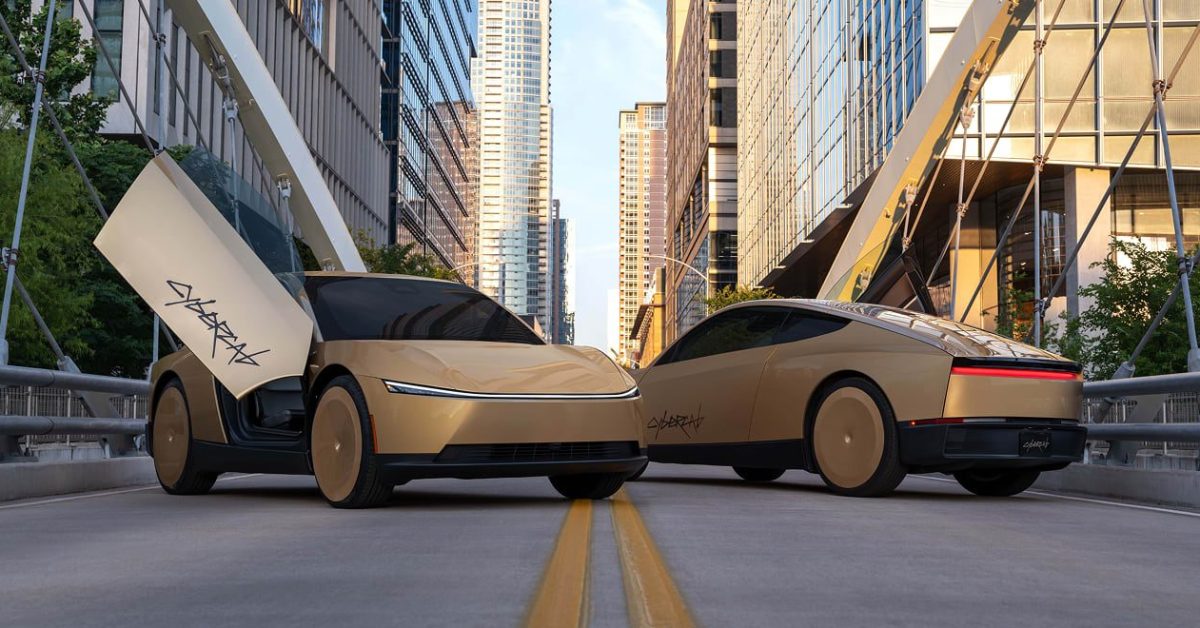
For Tesla, the sticking point is philosophical as much as regulatory. The company argues that humans drive with vision alone, and that a camera-and-neural-network system — not a stack of expensive, redundant sensors — is the scalable path to autonomy. That bet is central to the affordability of the Cybercab, which Tesla is already mass-producing at Gigafactory Texas.

Tesla Owners Rally as New Jersey Weighs Robotaxi Sensor Bill — additional image

Vision Is Delivering Results

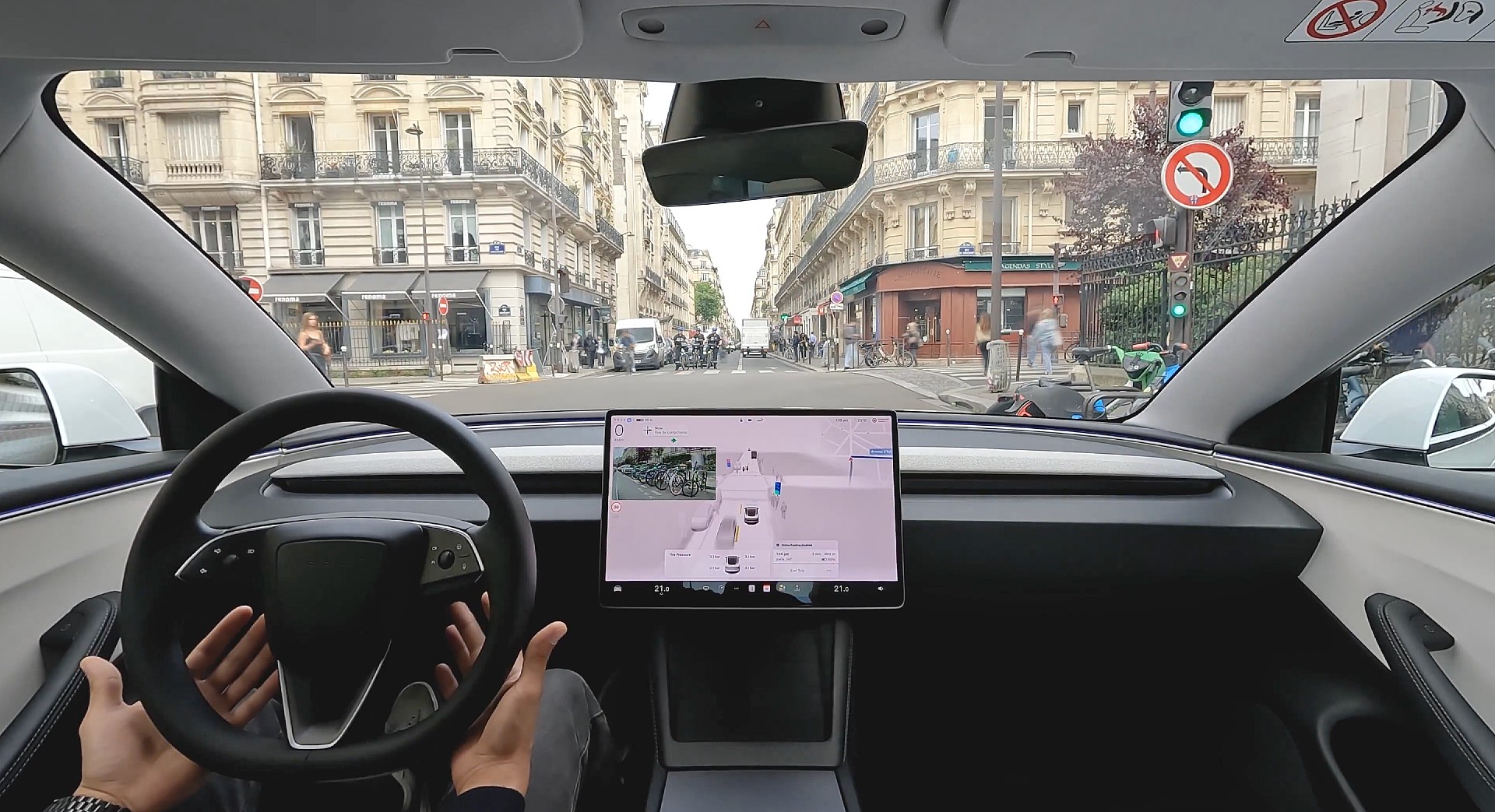
The timing of the debate is notable because Tesla's vision-only fleet keeps hitting milestones. The company's self-driving fleet has now gathered data across roughly 10 million vehicles, an unmatched real-world training set that improves the neural networks with every mile. Tesla has taken its unsupervised Robotaxi service driverless in Austin and, most recently, Miami — running entirely on camera-based inference without lidar or pre-mapped corridors.

Supporters of the vision approach note that federal regulators at NHTSA have never mandated specific sensor hardware for autonomous vehicles, leaving the question to engineering rather than legislation. Tesla's position, as reported by Electrek, is that the data will ultimately settle the argument as the fleet scales.

A Proposal, Not a Verdict

For now, S1677 has cleared one committee and been referred to another, meaning it is moving but far from law. Tesla has time to lobby, testify, and negotiate amendments before the bill would ever reach the governor's desk, and the company has signaled it intends to do exactly that.

The episode underscores how quickly Tesla's robotaxi ambitions are colliding with a patchwork of state rules — and how passionately its owners will defend the vision-first strategy. If Tesla keeps proving the technology on public roads in Texas, Florida and beyond, the strongest argument for camera-only autonomy may end up being the one written in miles driven, not statutes passed.