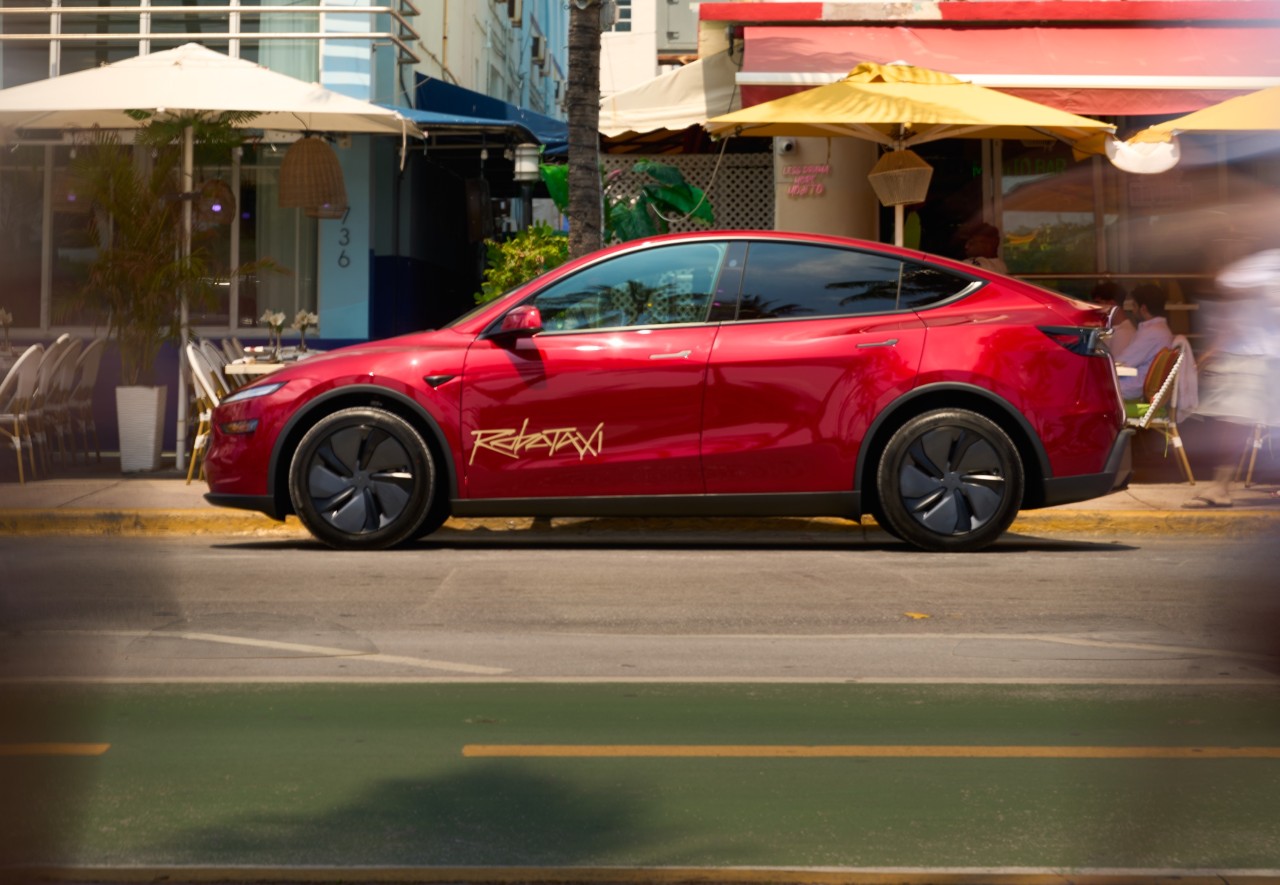
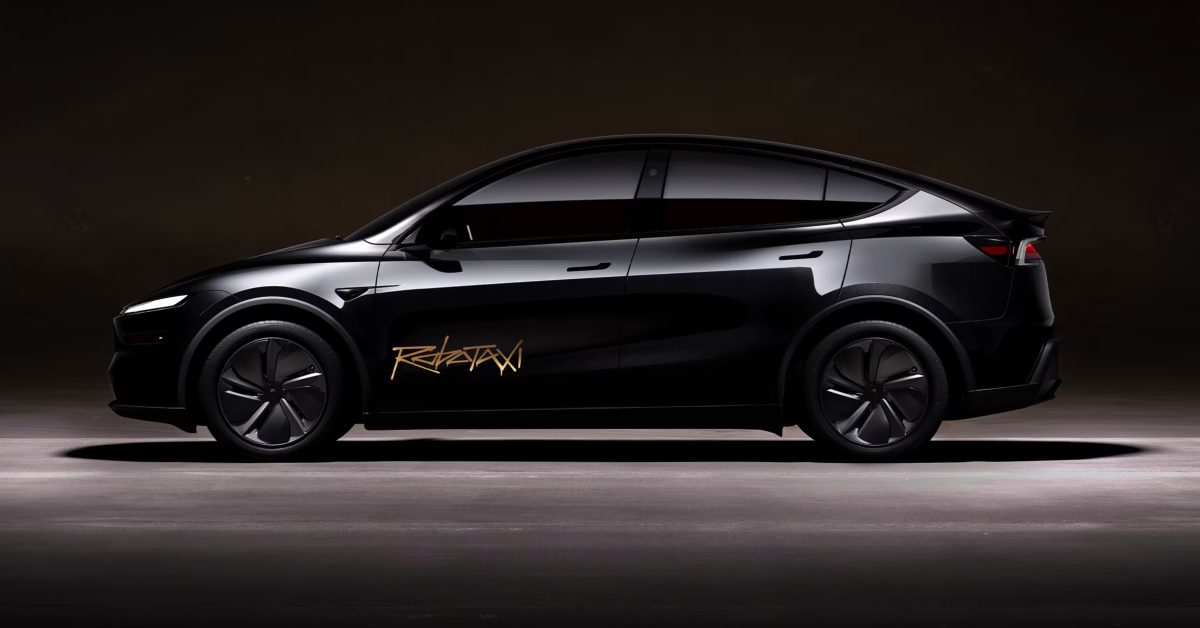
AUSTIN, Texas — Tesla has cleared up the biggest open question about its newest Robotaxi market: the Miami fleet is running fully unsupervised. Tesla's head of AI, Ashok Elluswamy, confirmed the detail on X with a single word — "Unsupervised" — settling weeks of speculation about whether the company had placed safety monitors in the cars for its first Florida deployment.
The confirmation carries real weight. It means Tesla's Miami operation runs without a human safety driver inside the vehicle or a remote operator taking the wheel, relying entirely on the company's camera-based Full Self-Driving stack. Miami becomes the second major U.S. city, after Austin, where Tesla has offered driverless rides from day one rather than easing in with an in-car monitor first.
A Deliberate, Measured Rollout
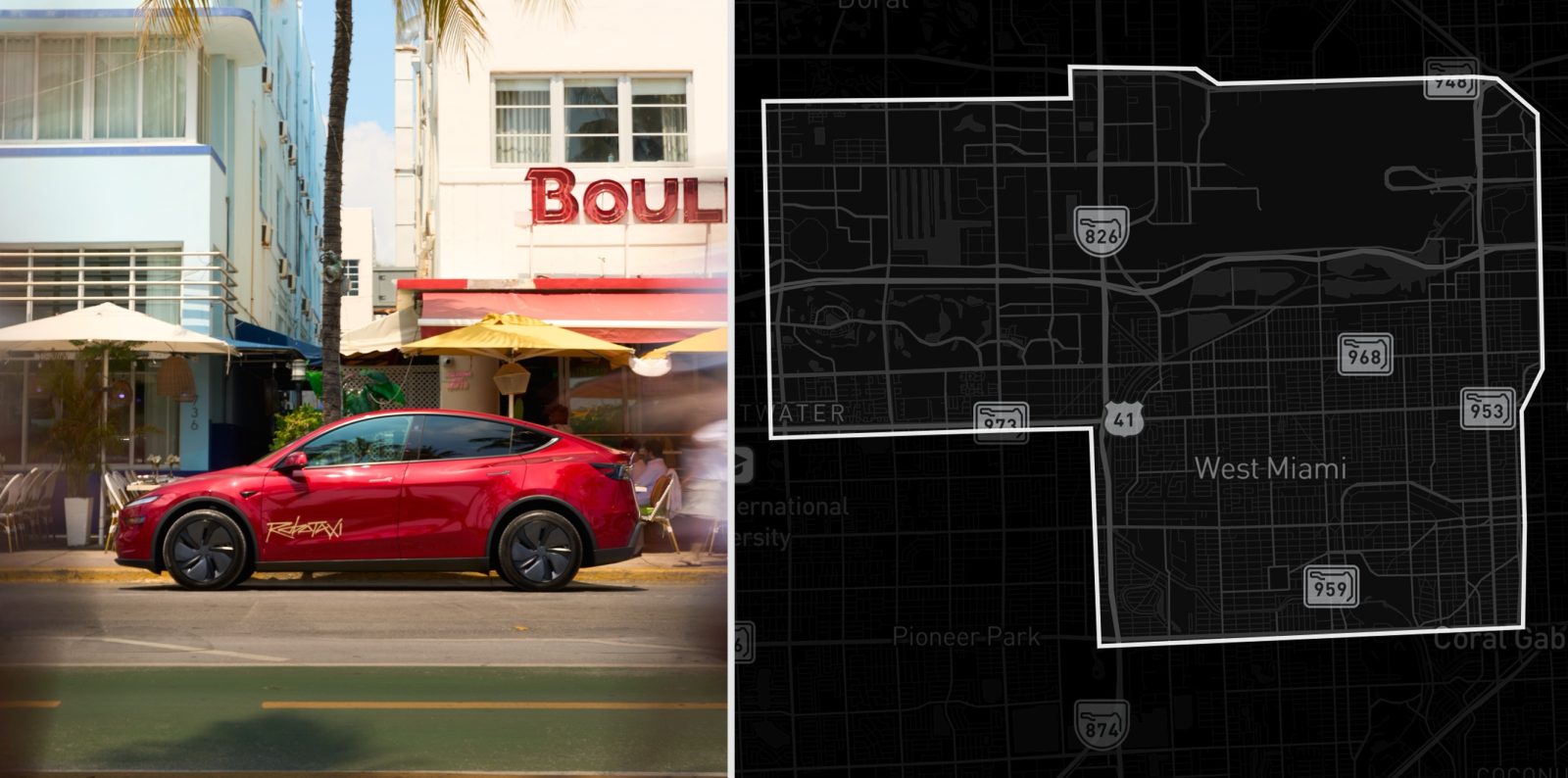
Even as it pushes the technology forward, Tesla is scaling Miami cautiously. The initial geofence covers a compact 10-to-14-square-mile zone in western Miami-Dade County, running through West Miami toward Doral and Sweetwater and bounded roughly by the Palmetto Expressway to the north. Downtown, Miami Beach and the airport are excluded for now.
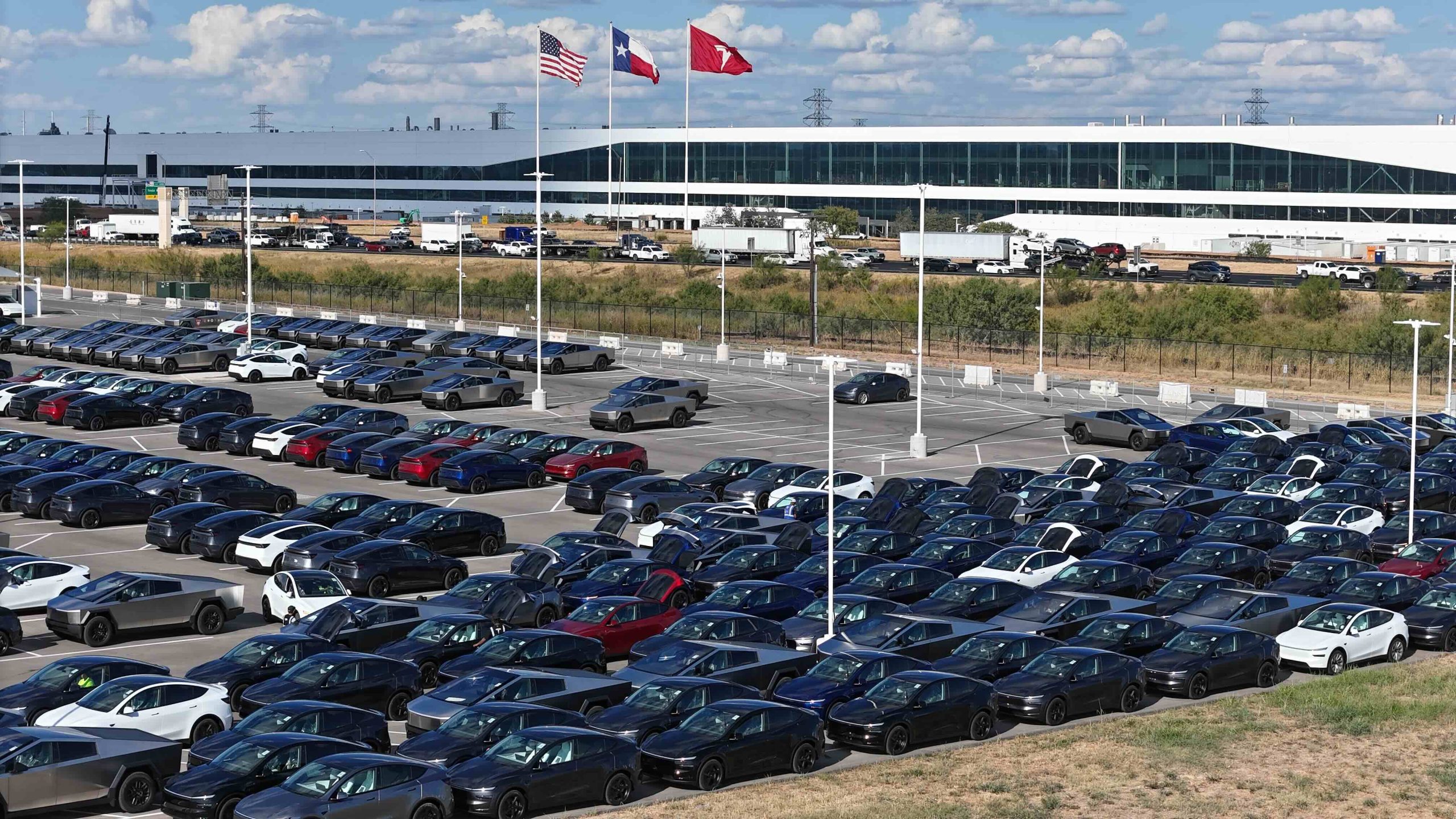
The fleet is small by design. Field reports and license-plate tracking indicate just two unsupervised Model Y vehicles were active on launch day, growing to three within 48 hours. But a nearby staging lot near Miami International Airport reportedly holds dozens of Cybercabs alongside additional Model Y units, suggesting Tesla has built in headroom to scale quickly as data accumulates and demand grows.
Vision-Only, Rain and All
What makes the milestone striking is that Tesla is doing it with cameras alone — no lidar, no radar, no pre-mapped corridors. The neural networks now handle South Florida's dense traffic, unpredictable pedestrians and frequent downpours, exactly the kind of challenging conditions skeptics said a vision-only system would struggle with. As Teslarati reported, industry observers see the driverless Miami launch as validation of Tesla's data-driven approach against traditional rule-based systems.
The move reflects how fast Tesla's autonomy effort is maturing. Each new market adds fresh real-world miles that feed back into the fleet, and the company has been expanding aggressively — from Austin and California to testing that recently began in New Orleans as it maps out its next launch cities.
Orlando and Beyond
Miami's status as a major tourist hub makes it a strategic showcase, and demand is already building elsewhere in the state. Many riders have called for Orlando, home to Disney and a stream of resort visitors, to get access next. Florida's light-touch regulatory environment — the state does not require a vehicle-specific autonomous permit — helped Tesla reach unsupervised operation there ahead of competitors.
For Miami riders, the confirmation turns an open question into a settled fact: driverless transportation has arrived, and it is running on nothing but vision. As Tesla widens the geofence and adds cars, the Sunshine State looks set to become one of the clearest proving grounds yet for the company's robotaxi vision.